pastorjohnb

Thoughts and musings on faith and our mighty God!


Leave a comment

Rescue Us, Bless Us

Readings: Psalms 141-144

‭Psalm 143:1 – “Listen to my prayer, LORD! Because of your faithfulness… Because of your righteousness, answer me!”

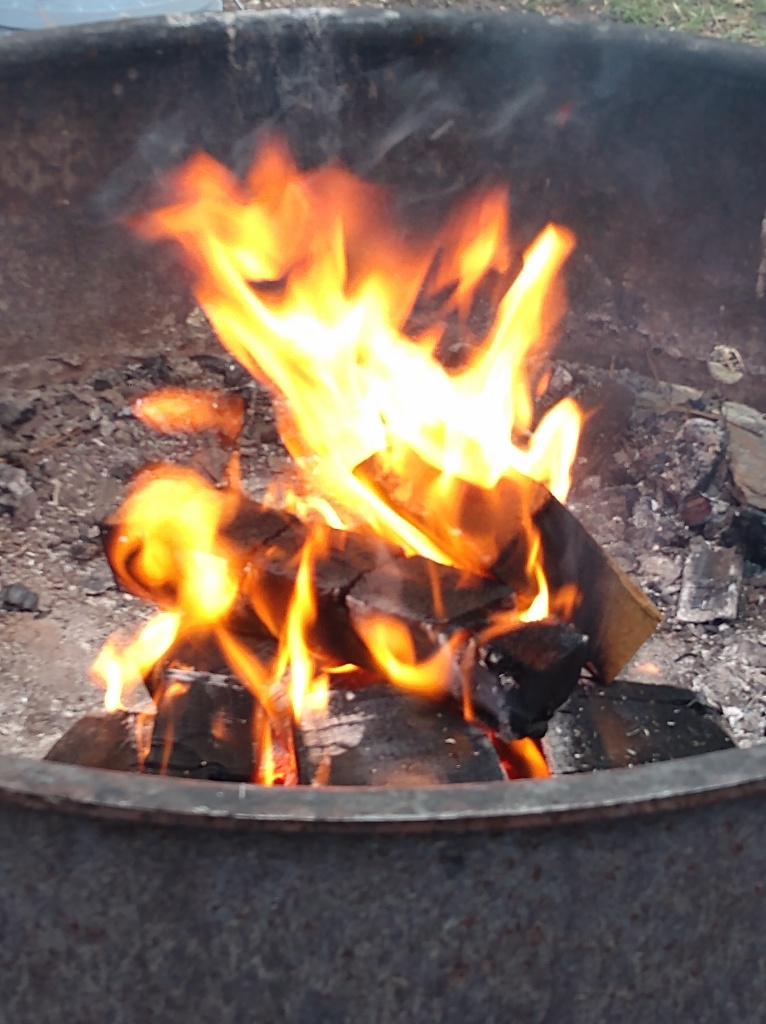
Photo credit: Patrick Schneider

Today’s four Psalms all contain pleas for help. They are all cries to God for saving, rescue, deliverance. While the “enemy” takes many forms in these Psalms, as it does in our lives, the constant here is God’s presence, goodness, faithfulness, and righteousness. It is precisely because God is these things that response and rescue is counted on from God.

Beautiful images begin Psalm 141 – prayers lifted like incense wafting up to heaven, hands held high like an offering to God. The psalmist seeks for God to guard their mouth and to keep their heart from evil things. Temptation is ever at the door. It is more than they can handle on their own. The psalmist asks for protection from the traps and snares. May we do so as well.

In Psalm 142 the author is really hard-pressed. They cry out, beg, pour out, and announce their needs. They feel like “no one” pays attention, including God. They desperately need release from “this prison.” A cave is likely the prison in Psalm 143. The psalmist cries out for rescue, not because of his or her own faithfulness or righteousness, but because of God’s. These characteristics of God will bring the psalmist out of their distress and will bring justice to this enemy.

Psalm 144 begins with a wonderful list of the roles God plays in the psalmist’s life and in our lives. It then shifts to the limits of our existence. We are “like puffs of air,” so temporary. And yet the psalmist seeks refuge and deliverance from the enemy. And also, God, grant blessing on our children, in our crops and livestock, and on our safety and security. Even in our own temporal world we too cry out these dual prayers: rescue us, O God, bless us, O Lord!

Prayer: Lord God, today, Lord, today when the enemy rises up, come and rescue us. Be a wall of protection around us, show us the way. May your faithfulness and your righteousness guide our way. Grant us the faith and the trust to lift our prayers in confidence and our hands in surrender to you. Amen.


Leave a comment

Clear Outcomes

Readings: 2nd Chronicles 21, 2nd Chronicles 22, 2nd Chronicles 23, 2nd Chronicles 24

2nd Chronicles 24:20 – “Because you have abandoned the LORD, he has abandoned you!”

Jehoram succeeds Jehoshaphat. He does evil in God’s eyes. Edom and Libnah rebel, weakening Judah. Jehoram builds shrines and leads Judah astray. Via letter Elijah confronts Jehoram and predicts a family downfall and a deadly illness. Both occur quickly. In verse 21:20 we read, “No one was sorry he died.” He is not buried with the other kings of David’s line.

Ahaziah rules next, for one year. He allies himself with Israel’s King Joram. This brings him into the path of Jehu’s decimation of Ahab’s family. Ahaziah’s mother, Queen Athaliah, quickly seizes power. This evil queen kills all but one member of the royal family. Jehoash (or Joash) is hidden away and then raised in the temple for six years. Jehoiada, the priest, organizes a successful coup. Jehoash is crowned and Athaliah is killed. For a season, Judah returns to God. The priests are reassigned. Temple worship resumes. The temple tax is collected – the people give gladly and generously. The temple is restored to its glory days. And then Jehoiada dies. His leadership is honored by the people as he is buried with the kings of Judah.

Under the influence of Judah’s leaders, Jehoash abandons the temple and Judah again worships idols at the sacred poles. An angry God sends Zechariah. He declares, “Because you have abandoned the LORD, he has abandoned you!” He is then stoned to death. Aram once again invades and defeats Judah. Jehoash is injured and then is finished off by his own officials. He is also not buried with the kings of David’s city.

Today we again see the clear outcomes of being faithful to God or of being disobedient to God. May these insights guide us well.

Prayer: Lord God, lead us to walk in your ways. When evil voices speak and when other temptations arise, raise up the voice of your Holy Spirit. Remind us of our call to faith and trust. Empower us to walk the long road with you instead of against you. Amen.


Leave a comment

Unrest Around Every Corner

Readings: 2nd Samuel 20, 2nd Samuel 21, 2nd Samuel 22, 2nd Samuel 23, 2nd Samuel 24

2nd Samuel 22:31 – “God! His way is perfect; the LORD’s word is tried and true. He is a shield for all who take refuge in him.”

Trouble begins our reading and makes frequent appearances throughout. Sheba tries to lead Israel away from David. Only one clan joins his revolt. In the pursuit, Joab kills Amasa, eliminating a rival. In the end, Sheba is beheaded by the people of Abel. Next a famine falls upon the land. It is connected to Saul’s treachery against the Gibeonites. David inquires of the Lord, who sends him to them. The price to fix this wrong is set at seven sons of Saul. They are offered up by the Gibeonites as the blood price for Saul’s sin. Rizpah, the mother of two of the seven, mourns day and night for months, keeping guard over their bodies. This moves David. He reburied Saul and Jonathan in the ancestral grave of Saul’s family.

War and battles with the Philistines continues to be the norm. After a close call David is told he will never go into battle again. This is one hint that chapters 21-24 were written or at least take place before Absalom’s rebellion. David offers a Psalm of praise in chapter 22. God is his rock, fortress, rescuer, salvation. God hears his cries. God rewards David’s righteousness and integrity. God shows faithful love to God’s anointed. He then offers some “last words” about covenant and dynasty.

Then there is a list of David’s warriors along with some of their feats. Then 2nd Samuel closes with another sin and its consequences. A census is ordered. Joab questions this. David overrules him. Pride is at play in David’s heart. After the census David feels guilty and he repents. The prophet Gad is sent to David with three choices of consequences. David chooses the plague, trusting God’s mercy over what human hands might do. After 70,000 die, David cries out and God relents. Gad instructs David to buy a threshing floor at the place the plague stopped. He does so, building an altar and offering sacrifices. The plague ends. Yet unrest lies just around the next corner as we turn to 1st Kings tomorrow.

Prayer: Lord God, unrest and turmoil and violence continue to be the norm. This feels like our world today. Yet here and there your love and goodness poke through – in a mother’s love, in your mercy, in David’s faithfulness. In the midst of the trials and sufferings of our world, remind us again and again of your love, mercy, and goodness. And, Lord, use us as conduits of these things in our world too, reminding others of your presence here with us. Amen.


Leave a comment

Samuel Grieves Saul

Readings: 1st Samuel 14, 1st Samuel 15

1st Samuel 15:22 – “Does the LORD want entirely burned offerings and sacrifices as much as obedience to the LORD?”

What a contrast we find between Saul and his son Jonathan. In the battle with the Philistines, Jonathan looks to God for guidance and he trusts in God’s presence for the victory. The Philistines invite battle, indicating God has handed them over. Saul’s scouts notice the panic in the Philistines’ camp. His initial reaction is to seek God’s guidance. But when the panic increases, Saul tells the priest, “Withdraw your hand.” Saul decides on his own to engage in battle. He makes the troops swear a foolish pledge heading into battle.

Inadvertently, Jonathan breaks the pledge. When told of it, he astutely notes that his father’s pledge has “brought trouble on the land.” Because of this pledge, the battle will be less than complete. The exhausted troops sin by eating meat with blood in it. Saul acts to stop this sin. He now wants to continue the fight. This time he is prompted to ask God. God is silent. Sensing God is angry, Saul senses what he thinks is sin. Lots are cast and the lot falls to Jonathan. Saul pledges to follow through – Jonathan must die! But the troops intervene, rescuing Jonathan from Saul’s folly.

Samuel then comes to Saul and shares God’s direction with him. Saul is to attack the Amalekites and to place them under the ban. This means to totally destroy everything. Victory is won but disobedience is present too. King Agag and the best sheep, cattle, and everything else of value is kept. Saul tells Samuel he followed God’s directions. Samuel asks then why he hears the bleeding of sheep. Saul makes excuses. Samuel asks, “Does the LORD want entirely burned offerings and sacrifices as much as obedience to the LORD?” Samuel informs Saul that God has rejected him as king. Saul knows he has sinned. Samuel and Saul return to their homes after worshipping God. Samuel grieves over the man he will never see again.

Prayer: Lord God, where and when do I try to offer rivers of oil and piles of offerings instead of surrendering my heart fully to you? When and where do I try do for you instead of simply being present to you? By the power of your Holy Spirit teach me obedience and reverence over doing and striving. Draw me to your heart, welcome me into your presence. Amen.


Leave a comment

Saul’s Warning Signs

Readings: 1st Samuel 8, 1st Samuel 9, 1st Samuel 10, 1st Samuel 11, 1st Samuel 12, 1st Samuel 13

1st Samuel 8:7 – “Comply with the people’s request… because they haven’t rejected you. No, they’ve rejected me as king over them.”

Photo credit: Falaq Lazuardi

Today we transition with Israel from judges to kings. Samuel is the last judge and Saul is the first king. Problems with leadership continues to derail things. Samuel’s sons are just as evil as Eli’s were. The people see this as the writing on the wall and they ask Samuel to appoint them a king. Although Samuel knows it is a bad idea, here is God’s response: “Comply with the people’s request… because they haven’t rejected you. No, they’ve rejected me as king over them.” Samuel then explains how a king will exploit them and they still want a king – “so that we can be like all the other nations.”

Saul has a “chance” encounter with Samuel. Here we first see Saul’s insecurity – “smallest tribe… smallest family.” Samuel anoints him in private and prophesies three encounters. All come true. Next Samuel calls all of Israel together at Mizpah. Saul is selected by lot. Except he is hiding. Saul is presented as a king but some people question the choice. Saul then leads Israel to victory over the Ammonites. The naysayers are remembered and the people want to kill them. Saul chooses mercy instead. It is a day of victory. The next day all of Israel gathers to make Saul their king.

Samuel then warns the people. Obey the Lord and it will go well with you. Disobey and feel the Lord’s hand against you. He encourages them to fear the Lord and to serve God faithfully. Our passage closes with a story of impatience. Saul has Jonathan attack the Philistines, who respond in force. Fear leads to soldiers deserting and Saul takes matters into his own hands, sacrificing the well-being offering himself. Samuel arrives just then and asks, “What have you done?” Saul’s days are now numbered. God will seek a new king – “a man following the Lord’s own heart.”

Prayer: Lord God, what familiar foes – insecurity, doubt, fear, impatience. Saul is not alone in these battles. It’s in the hearts of Israel, it is in our hearts. Grant us an abiding faith, a resolute heart, a trusting spirit. Lord, teach us your ways, instill in us your heart. Amen.


Leave a comment

Finding God

Readings: 1st Samuel 4, 1st Samuel 5, 1st Samuel 6, 1st Samuel 7

1st Samuel 5:11 – “Send the chest of Israel’s God away! Let it go back to its own home so it doesn’t kill us and our people.”

Have you ever been around someone who has said something like, “I feel like we should say a prayer or something?” This thought reminds me of Israel at this point in their story. They have a vague notion of God but have no clue about how to really connect to the Lord. As the battle with the Philistines goes badly, they wonder why God would let this happen. But instead of praying or doing anything else that might connect them to God, they decide to bring the ark of the covenant to the next battle. This battle turns out worse. 30,000 die, the ark is captured, and Hophni and Phinehas die. This news causes Eli to fall over dead.

The ark brings nothing but trouble to the Philistines. They put it in their temple and their god Dagon falls over. They set it aright and the next morning it’s toppled again, this time missing its head and hands. The hand of God brings tumors on the people. Finally the Philistines say, “Send the chest of Israel’s God away! Let it go back to its own home so it doesn’t kill us and our people.” The Philistines even include an offering to honor God. At this point they know God better than the Israelites know God. The ark is received back. Time passes and Israel begins to long for God. Something is beginning to stir in their hearts.

Samuel calls the people back to God. He tells them to get rid of their idols and foreign gods. They gather with Samuel at Mizpah. Samuel draws and pours out water. They fast and confess their sins. And the Philistines gather an army. Israel is afraid. They look to Samuel. He prays to God and makes an offering. God brings Israel the victory. Samuel sets up an Ebenezer – a stone of remembering. There is peace. Samuel rules as a judge. All seems well…

Prayer: Lord God, today I’m reminded of how life seems to go when we go it on our own versus walking with you. When I’m tempted to sort of seek you, call me out. Remind me that it is my whole heart, soul, and mind that you seek. Pour those temptations out like water and draw me to the rock of faith that is a sure foundation. Amen.


Leave a comment

Moving Forward

Readings: Numbers 15, Numbers 16, Numbers 17, Numbers 18

Numbers 18:29 – “You will present each gift offering to the LORD from all your gifts, from its best portions and its holiest parts.”

On the heels of choosing fear over faith and being doomed to wander the wilderness for 40 years, in chapter 15 God details the offerings to be given when they do enter the Promised Land. The wander is clearly a detour. God has a plan. So God reviews the offerings required for unintentional sins. God is clear that there is no reconciliation offering for deliberate or intentional sin. They are cut off. In the next chapter we will see what that looks like. The chapter closes with instructions to place blue fringes on all of their clothing. Blue represents holy. The fringes will remind them of the commitment to their holy God.

Chapter 16 contains challenges to Moses and to Aaron. Korah and his Levite clan want more power. Dathan and Abiram think Moses has too much power. Korah and his family are gathered. God plans to consume Korah’s entire household. Moses intercedes for the innocents. God relents. Dathan and Abiram refuse to appear before Moses. They and their families are swallowed up by the earth. Korah and his 250 followers are consumed by God’s fire. The community grumbles against these deaths and therefore against Moses and God. God sends a plague. Moses sends Aaron out into the community to stop the plague. Aaron stands between the dead and the living, halting the plague.

To reiterate God’s call on Aaron, the staffs of the 12 tribal leaders are gathered and placed with Aaron’s staff before the chest. Aaron’s staff buds, revealing God’s choice. The people lament. For now they fail to see the humility required to be in God’s presence. Today’s readings close with priestly duties and their compensation. It mostly reiterates earlier instructions but also adds a requirement of the priests. Since they belong to the Lord they will not be given a land inheritance. Instead they will receive the tenth of the crops and herds given to the Lord. In turn God will require them to give 1/10 of this to the Lord as their gift offering. It is to be “from its best portions.” May we too return to the Lord a portion from the best of our blessings.

Prayer: Lord God, in spite of the Israelites’ disobedience and rebellion and sin you keep the plan moving forward. You see and know the end results. In our lives we disobey and rebel and sin. You continue to work in our lives as well, leading and guiding, shaping and forming us into who and what you call us to be. In response, may we gratefully give our best to you in all situations. Amen.


Leave a comment

Set Apart

Readings: Numbers 5, Numbers 6, Numbers 7

Numbers 6:24-25 – “The LORD make his face shine on you and be gracious to you. The LORD lift up his face to you and grant you peace.”

Chapter 5 begins with how to keep the camp from becoming unclean and with how to restore relationships in the camp. These simple provisions hold them accountable to one another. The jealous husband case found in verses 11-31 is hard to relate to our world today. John Wesley saw the purpose of this law as twofold. First, it was a deterrent to a woman tempted by adultery. Second, it offered wives protection from the jealousy of hard-hearted husbands. No provision is made anywhere in the Law for a woman who suspected her husband of adultery.

Chapter 6 gives instructions for nazarites. These were non-Levites who wanted to commit a portion of their lives to serving the Lord. Because they were not Levites they could not perform tabernacle duties. They were set apart by following a strict behavioral code. Samson and Samuel are two examples of nazarites who served for life. Most nazarites would serve for a designated period of time. At the end of their service they would offer the standard cycle of offerings to the Lord.

Chapter 7 is a flashback. It recounts the gifts brought to the dedication of the tabernacle written about in Exodus 40. Oxen and wagons are given to enable the Levites to transport the structure of the tabernacle. Then one representative from each tribe brings the same set of gifts to dedicate the altar. The gifts are brought in the order established in Numbers 2.

Our reading closes with Moses entering the tent of meeting to talk with God. This scene connects back to God’s promise made in Exodus 25. Tucked in at the end of chapter 6 is a priestly blessing. We close with a portion today: “The LORD make his face shine on you and be gracious to you. The LORD lift up his face to you and grant you peace.”

Prayer: Lord God, we, like the nazarites, are called to be set apart from the world. Instead of physical practices we are called to spiritual practices that reflect your love, grace, mercy… thereby setting ourselves apart from the world. Empower us to live in your ways. Grant us peace as we seek to live as your disciples. Amen.


Leave a comment

Holy and Just Lives

Readings: Leviticus 8, Leviticus 9, Leviticus 10

Leviticus 9:24 – “Fire flew out from before the LORD… All the people saw it. They shouted for joy and fell facedown.”

Today’s reading begins with the purification and ordination of Aaron and his sons as priests. They are washed, dressed in their priestly clothing, and are anointed with holy oil. The tabernacle and all in it are also anointed as holy. On Aaron and sons’ behalf, Moses offers a bull as a purification offering and then a ram as an entirely burned offering. Aaron and sons place their hands on the heads of each sacrifice. A second ram is sacrificed as an ordination offering. The breast of the ram and some bread is offered as an uplifted offering. Aaron and his sons stay at the entrance to the tent of meeting for 7 days, as required by the Lord.

Next Aaron performs all of the sacrifices. This act is both symbolic and practical. Moses oversees it all. Aaron first offers a bull and then a ram as the priest’s purification and wholly burned offerings. He then offers the same for the people, followed by the people’s grain and well-being offerings. This completes the entire set of sacrificial rituals. Moses and Aaron then enter the tent of meeting. Emerging from the tabernacle, “Fire flew out from before the LORD… All the people saw it. They shouted for joy and fell facedown.” This is a sign of God’s validation. All has been done exactly as the Lord commanded.

Another act of disobedience occurs as chapter 10 begins. Nadab and Abihu, two of Aaron’s sons, offer unauthorized fire before the Lord. Again fire flew out from the Lord. This time it consumes Nadab and Abihu. This is a sign of God’s disapproval. Aaron is stunned so Moses takes over. The bodies are removed and Moses gives instructions for mourning. He specifically prohibits two Canaanite mourning practices. After some instructions on priestly eating and drinking, Eleazar and Ithamar fail to eat their portion of a sacrifice. They erred on the side of caution and safety, so Moses anger relents.

Today we are reminded of the importance of living as the Lord commands. In our own calls to model and reflect God’s love and God’s holiness, may we strive to live holy and just lives.

Prayer: Lord God, by the power of the Holy Spirit lead and guide us to live lives that are pleasing to your sight. May our very lives be a pleasing aroma that brings joy to you, O Lord. Amen.


Leave a comment

God Still Provides a Way

Readings: Leviticus 5, Leviticus 6, Leviticus 7

Leviticus 7:30 – “Your own hands must bring the LORD’s food gifts.”

Chapter 5 opens with a few more ways that we can sin – by withholding information in a trial, by touching something or someone unclean, by carelessly swearing. A purification offering is required. Access is also made available to the poor. If one cannot afford an animal from the flock, doves or pigeons are acceptable. If one can’t afford this, choice flour is acceptable. This provides all people with equal access to all parts of God’s mercy and forgiveness. Then the text turns to unintentional sin against the “Lord’s holy things.” In addition to the purification offering, one-fifth of the value of the holy thing is given as a compensation offering.

Chapter 6 begins as chapter 5 had, with some other sins we could and do commit. These sins are deception, cheating, lying, and swearing falsely in things dealing with property. Again the one-fifth compensation offering is added to the purification offering. The rest of chapter 6 and most of chapter 7 covers “Priestly Instructions.” It covers the priest’s roles in the various offerings. Detail is added in terms of how they perform their duties and in how they are to eat their portions that provide compensation for doing their priestly duties.

Chapter 7 closes with a few more instructions for the people. They are not to eat anything that has touched something unclean. They are not to eat the fat of the ox, sheep, or goat. They are not to eat blood. And they must bring their offering to the Lord with their own hands. While most of what we read today pertains to another time, this last one remains true. We must bring our own confessions to the Lord. We must repent of our own sins. We take responsibility for ourselves. So be it.

Prayer: Lord God, today’s readings remind me of two things. First, we can and do sin in many different ways. Some are intentional, some are unintentional. Second, you still provide a way to be reconciled and forgiven. Thank you for your unending grace and mercy. Amen.