pastorjohnb

Thoughts and musings on faith and our mighty God!


Leave a comment

Love and Care

Readings: Leviticus 11, Leviticus 12, Leviticus 13, Leviticus 14

Leviticus 11:40 – “I am the LORD your God. You must keep yourselves holy and be holy, because I am holy.”
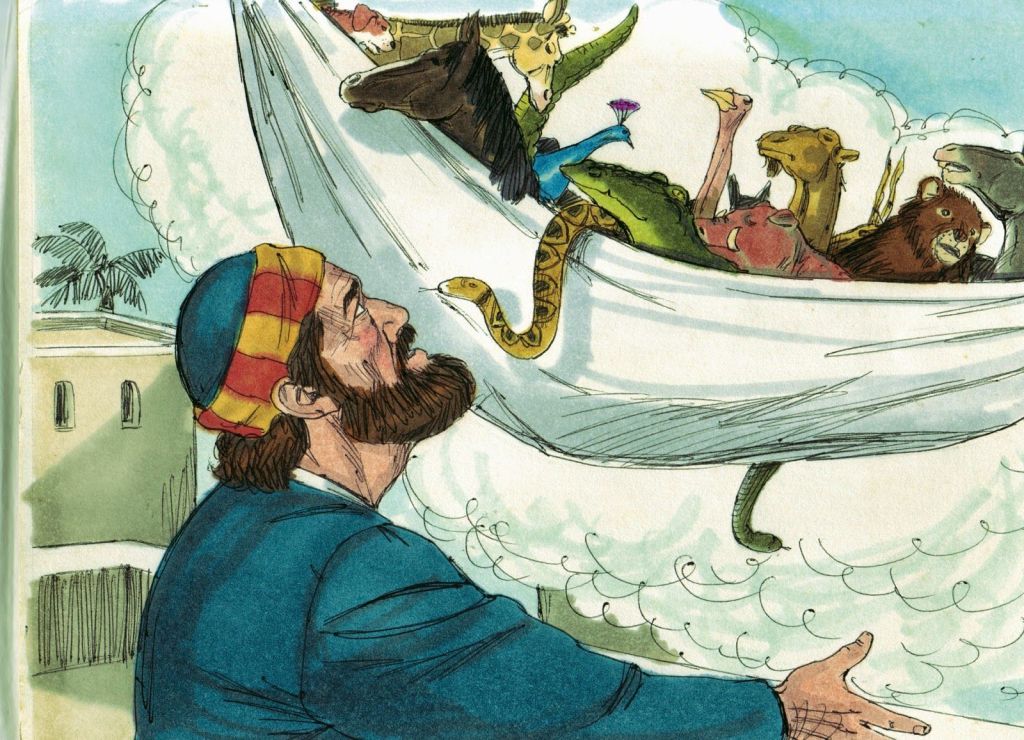
Today’s reading begins with dietary laws. They generally fall along the lines of clean versus unclean. The clean animals have completely divided hooves and rechew their food. These are the animals that are used for sacrifices. Also edible are water creatures with fins and scales, non-carion birds, and insects that hop. All other creatures are unclean and therefore cannot be eaten. At the end of this section we read, “I am the LORD your God. You must keep yourselves holy and be holy, because I am holy.” Clean = holy.

Chapter 12 contains instructions for becoming clean again after childbirth. A mother is unclean for 7 days after birth. After this isolation period, she spends 33 days in a state of “blood purification” if it is a boy. In this state she cannot enter or touch the holy. If the child is a girl this state lasts for 66 days. Welcome to a patriarchal society!

Chapters 13 and 14 deal with infections and contagious diseases and the process of purification required to re-enter society. The priest serves as a physician or as the inspector. In general, open wounds made one unclean. Seven day quarantines were pretty standard. This time apart helped with diagnosis and it prevented spread. Unclean persons were required to appear in a state of mourning (torn clothes…) and shouted “Unclean!” to prevent clean people from coming near.

The purification ritual began with two birds being offered as cleansing. Clothes were washed and all hair was shaved off. After seven days of isolation, washing and shaving was repeated. If clean, the person brought animals, grain, and oil to the priest. Each was offered as prescribed. Blood and oil were applied to the right earlobe, thumb, and big toe. This blessed what the clean person would hear and do, and where they would go as they re-entered the community.

As I read and pondered these ancient laws and rituals, I am struck that these were the means and ways that God cared for and loved the people in that time and place. With very limited medical understanding this was how God kept the people safe, clean, whole, and holy. This is love and grace in action.

Prayer: Lord God, thank you for the love and care that you used to guide and lead and protect Israel. The realities of their time and place – they were part of your plan. You continue to love and care for us in this time and place. Thank you. Amen.


Leave a comment

Holy and Just Lives

Readings: Leviticus 8, Leviticus 9, Leviticus 10

Leviticus 9:24 – “Fire flew out from before the LORD… All the people saw it. They shouted for joy and fell facedown.”

Today’s reading begins with the purification and ordination of Aaron and his sons as priests. They are washed, dressed in their priestly clothing, and are anointed with holy oil. The tabernacle and all in it are also anointed as holy. On Aaron and sons’ behalf, Moses offers a bull as a purification offering and then a ram as an entirely burned offering. Aaron and sons place their hands on the heads of each sacrifice. A second ram is sacrificed as an ordination offering. The breast of the ram and some bread is offered as an uplifted offering. Aaron and his sons stay at the entrance to the tent of meeting for 7 days, as required by the Lord.

Next Aaron performs all of the sacrifices. This act is both symbolic and practical. Moses oversees it all. Aaron first offers a bull and then a ram as the priest’s purification and wholly burned offerings. He then offers the same for the people, followed by the people’s grain and well-being offerings. This completes the entire set of sacrificial rituals. Moses and Aaron then enter the tent of meeting. Emerging from the tabernacle, “Fire flew out from before the LORD… All the people saw it. They shouted for joy and fell facedown.” This is a sign of God’s validation. All has been done exactly as the Lord commanded.

Another act of disobedience occurs as chapter 10 begins. Nadab and Abihu, two of Aaron’s sons, offer unauthorized fire before the Lord. Again fire flew out from the Lord. This time it consumes Nadab and Abihu. This is a sign of God’s disapproval. Aaron is stunned so Moses takes over. The bodies are removed and Moses gives instructions for mourning. He specifically prohibits two Canaanite mourning practices. After some instructions on priestly eating and drinking, Eleazar and Ithamar fail to eat their portion of a sacrifice. They erred on the side of caution and safety, so Moses anger relents.

Today we are reminded of the importance of living as the Lord commands. In our own calls to model and reflect God’s love and God’s holiness, may we strive to live holy and just lives.

Prayer: Lord God, by the power of the Holy Spirit lead and guide us to live lives that are pleasing to your sight. May our very lives be a pleasing aroma that brings joy to you, O Lord. Amen.


Leave a comment

Holy and Perfect

Readings: Exodus 28, Exodus 29, Exodus 30

Exodus 29:45 – “I will be at home among the Israelites, and I will be their God.”

Today’s readings are mostly about the priestly clothing and their ordination into service. Reading these verses led me to reflect on the changes that have occurred around some of our “priestly clothing.” In some denominations today the clergy wear a robe whenever they are “on duty.” In other denominations robes are rarely worn, even in worship. Changes are also reflected in the peoples’ attire too. “Sunday best” also represents a wide spectrum in many of our churches.

In Exodus 28 instructions are given for how to make the priestly garments for Aaron and his sons. This uniform is to be worn whenever they are on duty. Instructions are given for the undergarment, the robe, the vest, the chest pendant, the flower ornament, and the turban. There is a strong connection to the twelve tribes of Israel and to the holy role that the priests will play in the life of Israel. We again see great attention to detail and we see meaning and purpose in all that God does.

In Exodus 29 and 30 we mostly read about the instructions for ordination. There is great ritual embedded in this process. This reflects the importance of the priest’s roles. We read about a daily sacrifice too – a “soothing smell,” a gift to the Lord. In our lives and in our faith we are to mirror this idea. We do so in our daily commitment to prayer, Bible study, and holy living. We read about the census and “temple tax.” We mirror this support too – in our gifts to God, both monetary and time/talents. On either side of this we read about the making of the incense altar, the washing basin, and the incense recipes. In even these small items we see detail, purpose, holiness.

In these three chapters we see a focus on being holy and perfect. This is for one purpose: “I will be at home among the Israelites, and I will be their God.” May all that we do and say and think also be ordered and ordained by God so that our heart too is a home for God.

Prayer: Lord God, today the detail of your plans amaze me. They reveal who you are and who Israel needed to be so that you could dwell among them and with them. You call us to live detailed, holy lives too. May it be so. Amen.


Leave a comment

Plans

Readings: Exodus 25, Exodus 26, Exodus 27

‭Exodus‬ ‭25:40… – “See to it that you make them according to the blueprint for them that you were shown on the mountain.”

Today’s readings shift into the building of the tabernacle. The great detail and planning remind us once again that God is good and ordered and creative. All of these details and specifications and vision for the tabernacle were given to Moses by God when he was on the mountaintop. Over and over we read, “See to it that you make them according to the blueprint for them that you were shown on the mountain.” God has a plan and calls Moses and then Israelites to follow the plan exactly. As I pondered application for today’s readings, it came to me: our lives are much like the construction of the tabernacle. God has given us a detailed plan. We read three chapters from it today. Within that plan, in the gospels God even gives us a perfect example of what following the plan exactly looks like. And to boot God gifts us with the Holy Spirit, the indwelling presence of Jesus Christ that leads and guides us.

There is great detail in the plans and in the execution of the plan. We find exact dimensions. We find specific colors and designs. We see specific metals used for specific spaces and purposes. We see talents and gifts put to use to execute God’s plan for the tabernacle. As I read through these chapters I imagined each step and what each item looked like. I envisioned the final product. As Moses received these instructions on the mountain I bet he tried to see each item and the final product as God laid out the plan. This thought draws me back to the Holy Spirit – that indwelling presence that knows God’s plans for our lives and works and prays and works to shape and guide and lead and make us into who and what God created us to be. I wonder: In what ways are we contributing to the Holy Spirit’s efforts in our lives?

What also struck me today was the people’s commitment. Every single thing they used for the tabernacle came from them. Every single thing. In the same way, the church (not the building but the church) relies on each of us to be a part of bringing God’s light and love into the world. What are you bringing?

Prayer: Lord God, we see a wonderful and detailed plan for the tabernacle. You have the same kind of plan for our lives and for our churches. Move us to active involvement in the completion of these plans. Amen.


Leave a comment

Obedience and Faith

Readings: Exodus 1, Exodus 2, Exodus 3, and Exodus 4

Genesis 2:24-25 – “God heard their cry… God remembered his covenant… God looked at the Israelites, and God understood.”

Today we begin the story of the Exodus! It is the story of God’s deliverance from oppression and it is the story of the formation of God’s people. The story begins with the fulfillment of part of the covenant – Abraham’s descendants become numerous. Seventy quickly grows to be thousands upon thousands. Pharaoh fears them then enslaves the Hebrews. Growth continues. Faith is demonstrated by Shiphrah and Puah, thwarting plan A. Plan B is to drown all Hebrew baby boys in the Nile River. Moses is born and goes into the Nile – in a tarred basket. Providence has him rescued by Pharaoh’s daughter. He grows up largely as an Egyptian.

Turning to adulthood, Moses defends a slave, killing an Egyptian. Moses then flees to Midian where his rescue of some shepherdesses connects him to Jethro and family. Moses marries, settles down. The Israelites cry out. At the end of chapter 2 we read, “God heard their cry… God remembered his covenant… God looked at the Israelites, and God understood.”

Out tending the flock on Mount Horeb/Sinai, Moses is drawn to a burning bush. It is holy ground – God is present. God asks Moses to rescue the Hebrews. Moses has lots of excuses. Sound familiar?! The excuses: Who am I? Who are you? How will they know you sent me? But I can’t talk well! Can’t you just send someone else?! Only the last one angers God. Yet God relents and sends a long Aaron to help. Pharaoh’s stubbornness is foreshadowed, as is the final plague.

Obediently, Moses goes. Yet obedience must be complete. On the way, God appears and tries to kill “him.” Is Moses or his son Gershom? Either way this is about circumcision – the symbolic act that identities the Israelites as God’s people. Zipporah reads the scene correctly and she acts quickly. The chapter closes with Moses and Aaron’s initial meeting with the Hebrew elders. They believe and then they worship the Lord their God.

Prayer: Lord God, oh how we are like Moses! Raised in two worlds – yours and this place we call home. We too can be confused about who and whose we are. And when you come to us, we can make excuses with the best of them. Yet, in love you lead and guide us. You desire relationship. You are not a tyrant. You invite us to be co-creators with you, loving and caring for your intended world. Thank you for the invitation. May we respond with both obedience and faith. Amen.


Leave a comment

The Thin Space

Reading: Luke 2:1-20

Verse 19: “Mary treasured up all these things and pondered them in her heart.”

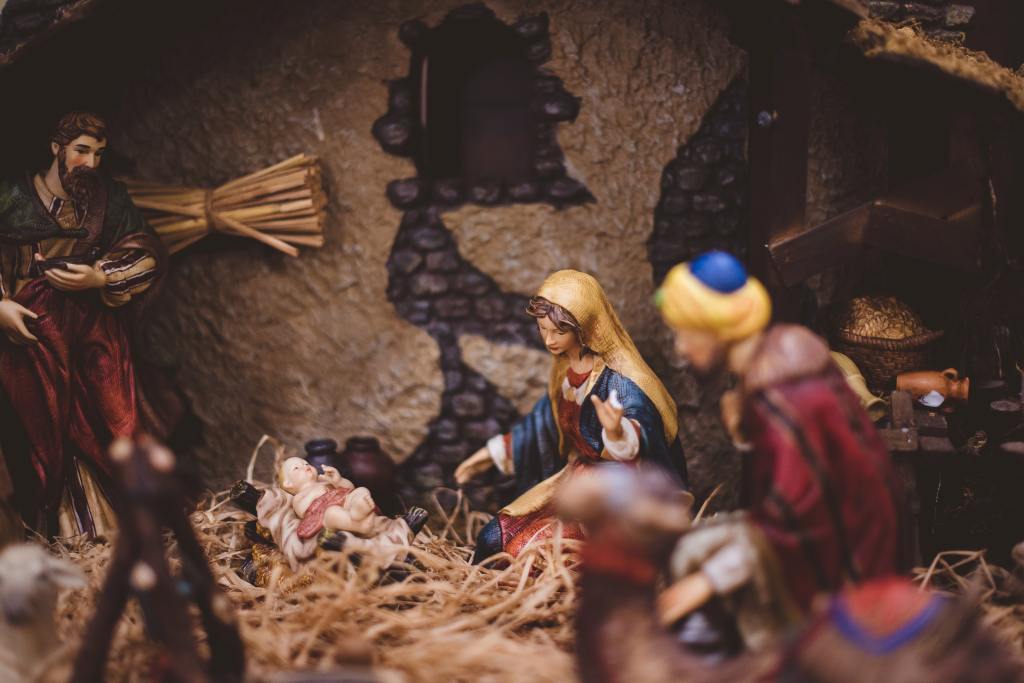
Photo credit: Kelly Sikkema

We begin this day where many of us will end the day – in Luke 2, verses 1-20. In his gospel to the Gentiles, Luke offers the best known telling of Jesus’ birth story. Luke’s gospel was aimed at those outside of the Jewish circles of faith. Perhaps that is why his telling resonates so well with so many. To recount how the “good news of great joy” came first to the shepherds – to those very near to the bottom of the socio-economic ladder – is to remind us all that the good news of Jesus Christ is indeed for all people.

The Upper Room Disciplines devotional for today reminded me of a very similar experience with what author Richard Morgan calls a “thin space.” This is the liminal space where heaven and earth touch and we enter the presence of the holy. We also were caroling in a care facility when a woman who had sat still and silently the whole time came to life and began singing Silent Night in German as we sang in English. The tune and words touched a deep place in her mind and soul. It was a sacred and holy moment to be a part of as we entered that thin space.

Towards the end of today’s passage we read, “Mary treasured up all these things and pondered them in her heart.” After a long journey and first-time labor, after receiving this holy story from the shepherds, Mary soaked it all in. She entered that thin space and seeped in God’s presence. This is my hope and prayer for all who will be drawn to worship and to celebrate the birth of the Savior. As each enters into worship, may each find a sacred space to enter into. There, may they each be touched by God so that the dear Christ child may enter into their hearts this night.

Prayer: Lord God, open the hearts of all who will come today to sing carols and to hear the story. May the words and songs draw them into the thin space where heaven touches their hearts. Amen.


Leave a comment

The Thin Space

Reading: Luke 2:1-20

Verse 19: “Mary treasured up all these things and pondered them in her heart.”

Photo credit: Kelly Sikkema

We begin this day where many of us will end the day – in Luke 2, verses 1-20. In his gospel to the Gentiles, Luke offers the best known telling of Jesus’ birth story. Luke’s gospel was aimed at those outside of the Jewish circles of faith. Perhaps that is why his telling resonates so well with so many. To recount how the “good news of great joy” came first to the shepherds – to those very near to the bottom of the socio-economic ladder – is to remind us all that the good news of Jesus Christ is indeed for all people.

The Upper Room Disciplines devotional for today reminded me of a very similar experience with what author Richard Morgan calls a “thin space.” This is the liminal space where heaven and earth touch and we enter the presence of the holy. We also were caroling in a care facility when a woman who had sat still and silently the whole time came to life and began singing Silent Night in German as we sang in English. The tune and words touched a deep place in her mind and soul. It was a sacred and holy moment to be a part of as we entered that thin space.

Towards the end of today’s passage we read, “Mary treasured up all these things and pondered them in her heart.” After a long journey and first-time labor, after receiving this holy story from the shepherds, Mary soaked it all in. She entered that thin space and seeped in God’s presence. This is my hope and prayer for all who will be drawn to worship and to celebrate the birth of the Savior. As each enters into worship, may each find a sacred space to enter into. There, may they each be touched by God so that the dear Christ child may enter into their hearts this night.

Prayer: Lord God, open the hearts of all who will come today to sing carols and to hear the story. May the words and songs draw them into the thin space where heaven touches their hearts. Amen.


Leave a comment

The Thin Space

Reading: Luke 2:1-20

Verse 19: “Mary treasured up all these things and pondered them in her heart.”

Photo credit: Kelly Sikkema

We begin this day where many of us will end the day – in Luke 2, verses 1-20. In his gospel to the Gentiles, Luke offers the best known telling of Jesus’ birth story. Luke’s gospel was aimed at those outside of the Jewish circles of faith. Perhaps that is why his telling resonates so well with so many. To recount how the “good news of great joy” came first to the shepherds – to those very near to the bottom of the socio-economic ladder – is to remind us all that the good news of Jesus Christ is indeed for all people.

The Upper Room Disciplines devotional for today reminded me of a very similar experience with what author Richard Morgan calls a “thin space.” This is the liminal space where heaven and earth touch and we enter the presence of the holy. We also were caroling in a care facility when a woman who had sat still and silently the whole time came to life and began singing Silent Night in German as we sang in English. The tune and words touched a deep place in her mind and soul. It was a sacred and holy moment to be a part of as we entered that thin space.

Towards the end of today’s passage we read, “Mary treasured up all these things and pondered them in her heart.” After a long journey and first-time labor, after receiving this holy story from the shepherds, Mary soaked it all in. She entered that thin space and seeped in God’s presence. This is my hope and prayer for all who will be drawn to worship and to celebrate the birth of the Savior. As each enters into worship, may each find a sacred space to enter into. There, may they each be touched by God so that the dear Christ child may enter into their hearts this night.

Prayer: Lord God, open the hearts of all who will come today to sing carols and to hear the story. May the words and songs draw them into the thin space where heaven touches their hearts. Amen.


Leave a comment

A Child Is Born

Reading: Isaiah 9:2-7

Verse 6: “For to us a child is born, to us a son is given.”

Photo credit: Ben White

Chapter 9 begins by speaking of one who will “honor Galilee of the Gentiles.” While this verse is not in today’s passage, it is important to recognize the messianic implications given in the lead-in into today’s prophecy from Isaiah. Jesus will minister to and connect to the Gentiles – which was considered anyone outside of the Jewish faith.

The prophecy begins, “The people walking in darkness have seen a great light.” There are many ways that one can walk in the darkness. The primary way is living outside of a relationship with the Lord. Living in the world and following the ways of the world provide ample opportunities to be selfish, greedy, prideful… To know Jesus is to know the light. His light exposes these evils and lights our path, drawing us into a personal relationship with him.

In verse 4 we read that “you have shattered the yoke that burdens them.” There are many ways that the Lord can do this. We often first think of Jesus breaking the chains of sin and death. He certainly does that! But Jesus shatters other yokes too – some are the lies that the world and Satan tell us about things like success, power, status, beauty… Others are struggles like loneliness, poor health, anxiety, doubt… Our friend and Savior and redeemer Jesus wants to walk with us through all of life, bringing peace, hope, joy, and love into our lives not just during Advent but all the time.

Isaiah’s prophecy states, “For to us a child is born, to us a son is given.” To us and for us, God took on flesh and came into the world. God laid aside heaven to be with us. What a gift this is. This action opened the door for a more personal and intimate relationship with God. Through dwelling with us, Christ opened the door to dwell in us in Spirit. What a friend, guide, Savior, and redeemer we have in Jesus. What a gift!

Prayer: Lord God, thank you for fulfilling these words that you long ago gave to Isaiah – for coming as a child, for being light in our darkness, for being our Wonderful Counselor, our Mighty God, our Everlasting Father, our Prince of Peace. Reign and rule in our hearts this day and forevermore. Amen.


Leave a comment

Present

Reading: 1st Thessalonians 5:16-24

Verses 16-18: “Rejoice always, pray without ceasing, give thanks in all circumstances.”

Light and dark

The nine verses that come to us today at the end of Paul’s first letter to the Thessalonians are jam-packed. Originally, of course, there were not verses in the letter. They were simply sentences that followed one after another. And these eight sentences have a lot in them! It was as if Paul had lots left to say but only had a little room left on the back side of his last piece of parchment.

In the first sentence, or in verses 16-18, Paul offers these words: “Rejoice always, pray without ceasing, give thanks in all circumstances.” Yes, this is God’s will for our lives. Each phrase could easily be a couple of paragraphs. And Paul, above all people, should know that life can be really hard. There are many times when joy is hard to find, when prayer feels like a non-option, when gratitude is just not happening. But Paul is not asking us to be joyful or whatever for the hardship… He is reminding us that we can be joyful, prayerful, and even grateful in the hardship… because God is with us in the hardship… We do not go through life on our own. God is always present.

Being present is the thought that carries on through the letter’s closing. To keep the Spirit’s fire, to hold to the scriptures, to hold everything up to God’s light, to do good and not evil – these are the ways that we remain present to and with the God who is ever present to us. Paul closes with the outcomes of a deeply personal and intimate relationship with God: we will be sanctified (made holy) and we will live righteous lives. Yes, God is faithful. May we be too!

Prayer: Lord God, thank you for the reminder today that you are always with us. In the good, in the bad – in all of it – you are with us. Immanuel, help us to stay connected, dependent, and committed to our relationship with you. There is no other way. Amen.