pastorjohnb

Thoughts and musings on faith and our mighty God!


1 Comment

Know This for Certain

Reading: Daniel 3:13-18

Daniel 3:18 – “Know this for certain, your Majesty: we will never serve your gods or worship the gold statue you’ve set up.”

Photo credit: Ricardo Gomez Angel

Shadrach, Meshach, and Abednego have long stood out because of their faith. Since arriving in Babylon as exiles (along with Daniel), their strong faith in God has set them apart from the native population. It began, you might recall, when they refused to defile themselves with the king’s royal food. From that point forward, these four have risen up the ranks of civil service, causing envy, jealousy, and dislike.

Leading into today’s reading, King Nebuchadnezzar builds a 90 foot tall golf statue of himself. He gives the order that at the sound of the horn, pipe, zither, lyre… all must bow down and worship the statue (and therefore the king.) Some fellow administrators are quick to point out that Shadrach, Meshach, and Abednego ignore the order. They refuse to bow down and worship. In verse 13 we see that this enrages King Nebuchadnezzar. Brought before the king, the three are given a chance to bow and worship. The other option is to be thrown into the fiery furnace.

For most of us, the fear of death would rise up. For some, we’d consider losing all that we’ve worked hard for. And some might even bow and pray to the true God while pretending to pray to the statue. King Nebuchadnezzar asks Shadrach, Meshach, and Abednego, “Then what god will rescue you from my power?” Their response? Well, maybe God will rescue, maybe not, but, “Know this for certain, your Majesty: we will never serve your gods or worship the gold statue you’ve set up.” Maybe God’s glory will be revealed through rescuing Shadrach, Meshach, and Abednego, maybe it will be revealed through their steadfast and complete faith in God. May this be the faith that we have in the Lord our God.

Prayer: Lord God, what a faithful and courageous path Shadrach, Meshach, and Abednego chose to walk. What a witness to faith. Lord, fill us with a faith that will choose to stand for you. From the big tests to the decisions that no one even sees, may you alone be the one we serve, the one we worship. Amen.


Leave a comment

Unhindered

Reading: Acts 27 and 28

Acts 28:31 – “Unhindered and with complete confidence, he [Paul] continued to preach God’s kingdom and to teach about the Lord Jesus Christ.”

Today we conclude the book of Acts. Paul sails to Rome and then settles into two years of evangelism there. The journey to Rome begins well. Paul is treated kindly by Julius, the centurion in charge. Soon the going becomes difficult and slow. The voyage becomes potentially dangerous because it is now fall. Against Paul’s advice, they sail on. A violent storm begins. The ship is wrapped in cables as they drift along. Cargo then the ship’s gear gets tossed overboard. All hope faded.

An angel comes to Paul and assures him that he will get to Rome and that all on board have been “graciously given to you.” Nearing land, the sailors try to abandon ship. Following Paul’s advice, Julius stops them. Paul encourages all to eat and all 263 eat. The next day they see and make for a beach. The ship hits a sandbar and begins to break apart. Because of Paul, Julius intervenes and saves the prisoners. All reach shore safely.

On Malta now, they are received kindly. Paul is unaffected by a bite from a poisonous snake. He heals Publius’ father, then all who were sick on the island. After three months they set sail. Arriving in Rome, Paul is welcomed and encouraged by the brothers and sisters there. He then gathers the Jewish leaders. After explaining why he is in Rome, Paul teaches and preaches Jesus from the Law and Prophets. Some believe and others refuse to believe. Paul declares that salvation will come to the Gentiles because they will listen.

Paul lives in Rome, under house arrest, for two years. He welcomes all who visit. Acts closes with this: “Unhindered and with complete confidence, he [Paul] continued to preach God’s kingdom and to teach about the Lord Jesus Christ.” May it be so for you and for me too!

Prayer: Lord God, maybe be unhindered, undignified, and unafraid as we proclaim the good news of Jesus Christ. May we teach and preach in word and deed so that some may be saved. Amen.


Leave a comment

To Do as You Did

Reading: John 5:1-6:21

John 5:19 – “I assure you that the Son can’t do anything by himself… Whatever the Father does, the Son does likewise.”

Photo credit: Felipe Correia

Our reading begins with a healing on the Sabbath. At the pool called Bathsaida, a sick man has been trying to get into the waters for 38 years. Jesus asks him, “Do you want to get well?” The man explains his dilemma: others get in first because he has no one to help him. Jesus says, “Get up! Pick up your mat and walk.” The man does. The Jewish leaders get on the man for carrying his mat on the Sabbath. It is work. Later, when it is revealed that Jesus healed the man, these leaders harass Jesus. He replies, “My Father is still working, and I am working too.” The leaders want to kill Jesus even more.

This tension leads to a long response from Jesus. He begins by declaring, “I assure you that the Son can’t do anything by himself… Whatever the Father does, the Son does likewise.” The Father gives life so the Son gives life. If people hear Jesus’ words and believe, they will have eternal life. This choice will lead to doing good things, which will lead to the “resurrection of life.” To refuse to believe? That choice leads to doing wicked things and to the “resurrection of judgment.” Jesus reminds them of John the Baptist’s testimony – which they almost believed – and of Moses’ testimony about the Messiah. Jesus’ response ends with a question: If you don’t believe Moses’ words, how will you believe my words?

Leaving there, Jesus crosses the Sea of Galilee. A large crowd follows. Jesus tests Philip by asking about feeding them. Andrew finds a boy with five loaves and two fish. Jesus seats the people and then blesses and multiplies the food. All “had plenty to eat.” Twelve baskets of leftovers are gathered. This “manna” in the wilderness leads the people to think about making Jesus their king. He slips away up the mountain.

As the disciples struggle to cross back over, three or four miles into the journey, Jesus comes to them, walking on the water. Into their fear he says, “I am. Don’t be afraid.” They reach solid ground. Jesus is with them. All is again well. May it be so for you and for me.

Prayer: Lord God, taking on flesh you were healing, loving, feeding, doing good. Be Christ in us, leading us to do as you did. Amen.


Leave a comment

Was, Is, Will Be

Reading: Luke 20-21

Luke 21:36 – “Stay alert at all times, praying that you are strong enough to escape everything that is about to happen and to stand before the Human One.”

We begin today with the religious leaders questioning Jesus’ authority. He responds with a question for them, asking about John the Baptist’s authority. Trapped, they refuse to answer. Jesus then tells them a parable that reveals his authority. The tenants are greedy. They abuse those sent to collect fruit owed to the owner. Finally they kill the son whom the owner dearly loves. In response the owner destroys the tenants. Jesus then quotes from the Psalms, referencing the stone rejected. It becomes the cornerstone. The religious leaders recognize that the parable is about them. They want to arrest Jesus but fear the people.

In an attempt to orchestrate a charge, the religious leaders take turns trying to trap Jesus with questions about paying taxes and marriage in the resurrection. Pay taxes? Yes, but more importantly give to God what belongs to God. Marriage? Yes, here and now, but not in the age to come. We will all be God’s children in the resurrection. There, God is as here: the God of the living. In response to their falsehood, Jesus condemns the religious leaders for their longing for recognition and honor and for the unfair burdens placed upon the people. He tells them that they’ll be “judged most harshly.” The widow’s gift is then lifted up as both a great example of trust in God and of how the religious leaders’ greed leads people into vulnerability as they struggle to meet the religious leaders’ expectations.

Verses 5-28 of chapter 21 deal with three events. Two sections reference the actual destruction of the temple and city. One part references the time of persecution that will soon occur. And one part references Jesus’ return. Two of three will unfold just as Jesus says. We await his return. Our reading closes by addressing how we are to wait. We are to be aware of the signs and we are to “Stay alert at all times, praying that you are strong enough to escape everything that is about to happen and to stand before the Human One.” May it be so for you and for me.

Prayer: Lord God, today we’re reminded that there’s always been a plan. Since the beginning you were spoken of and destined to come in human form. You came and revealed love lived out. You called us to follow your example. You spoke of a future that we eagerly await. You call us to be love lived out as we wait. Empower, encourage, and strengthen us to daily follow your example. Amen.


Leave a comment

The Banquet

Reading: Matthew 22-23

Matthew 22:21 – “Give to Caesar what belongs to Caesar and to God what belongs to God.”

Chapter 22 begins with a parable about God’s kingdom. The scene is a wedding party for the king’s son. Proper guests are first invited. But they refuse to come. Then all people are invited – the good and the bad. The banquet hall is filled. But one enters who isn’t prepared to be there. He is removed and thrown into the deepest darkness. Those who were invited first represent the religious leaders and all Jews who refused to accept God’s son as Lord and Savior. The man represents those who say they follow Jesus but really live for self.

Jesus is asked about paying taxes. After examining the coin he declares, “Give to Caesar what belongs to Caesar and to God what belongs to God.” We are to be good and responsible citizens and faithful followers of God. Jesus clarifies the order when asked about the greatest commandment. First, we are to love God with all that we are. The second is to love neighbor as self. We are to first be faithful followers of God and then to be good and responsible neighbors.

In chapter 23 Jesus condemns the hypocritical ways of the legal experts and the Pharisees. They pile Law upon Law, rule upon rule, on the people but don’t lift a finger to help them in their walk of faith. By contrast, we recall Jesus’ yoke is easy and the burden light. The legal experts and Pharisees love to be seen and noticed. But the “greatest among you” will become the servant. They give a tenth of their spices but ignore justice, peace, and faith. They look great and righteous on the outside but are “full of pretense and rebellion” in their hearts. They refuse to come to the wedding banquet.

There is lament to close out today’s reading. Just as their ancestors abused and killed the prophets, so too will they abuse and kill Jesus, the disciples, the apostles… Jesus longs to gather Jerusalem as a “hen gathers her chicks.” They refuse. They too will not enter the wedding banquet.

Prayer: Lord God, as we read these words today we reflect now on the condition of our hearts. Do we love you with all our being? Is this reflected in how we love neighbor, in how we practice justice, peace, and mercy? Have we truly become part of your kingdom? Or do we just have one foot inside the banquet hall? Lord, help us all. Amen.


Leave a comment

Consequences of Choices

Reading: Jeremiah 39-45

Jeremiah 40:2-3 – “The LORD your God declared that a great disaster would overtake this place. Now the LORD has made it happen.”

Our reading begins with the fall of Jerusalem. After a siege that lasts about a year and a half, the Babylonians conquer the city. Zedekiah tries to escape but is caught. His officials and children are slaughtered before him. He is then blinded and taken into exile. The palace and houses are burned down. The walls come down. All but the poorest (and a few who are in hiding) are taken into exile.

Jeremiah is rescued. He is known by Nebuchadnezzar. He sends the captain of the special guard to find Jeremiah. Once he does, he says to Jeremiah: “The LORD your God declared that a great disaster would overtake this place. Now the LORD has made it happen.” Jeremiah is respected by the Babylonians. He’s given the choice to stay or to go. He chooses to stay, living under the care of Gedaliah, the Babylonian appointee. Most of the Judeans left in the land rally around him. Johanan, an army officer, warns Gedaliah of a plot. He ignores this warning – to his own peril. Ishmael and his men murder Gedaliah and flee with some prisoners.

Johanan hears of the murder and he rescues the captives. Ishmael and eight men escape to Ammon. Johanan and the remaining Judeans fear what Babylon will do in response to Gedaliah’s murder. They ask Jeremiah to inquire of the Lord: should we stay or go? After ten days, God tells them to stay put. God will build them up and will protect them from the king of Babylon. They are warned: refuse to listen, go to Egypt, and the war they fear and the famine they dread will strike them in Egypt. They accuse Jeremiah of lying. Baruch put him up to it!

Jeremiah warns them of the consequences of their choice to go to Egypt. He reminds them of their past sins and of the consequences of those sins. Jeremiah and Baruch are hauled off to Egypt. Once there, Jeremiah builds a stone platform in front of Pharaoh’s palace, declaring that Nebuchadnezzar will place his throne there. The people remain stubborn and disobedient. The hand of death is coming.

Prayer: Lord God, how can your people run to you, asking for guidance, only to turn against your response. But wait. We do that too. We allow fear and insecurity to drive our decisions now and then. Lord, build up our faith, guiding us to listen to your guidance, choosing life over death. Amen.


Leave a comment

Surrender and Live

Reading: Jeremiah 34-38

Jeremiah 36:3 – “Perhaps when the people of Judah hear about every disaster I intend to bring upon them, they will turn from their evil ways, and I will forgive their wrongdoing and sins.”

Photo credit: Einar Storsul

Our reading opens with King Zedekiah inquiring about the future. Jeremiah tells him that Jerusalem will fall but that he’ll live. He’ll be taken to Babylon where he will die in peace. Zedekiah then makes a covenant to release all Hebrew slaves. This is done but is quickly reversed. God declares that Judah will be freed instead: free to “die by the sword, famine, and disease!” Judah will become a wasteland.

In chapter 35 we find a great contrast. God sends Jeremiah to the Rechabites. They are a nomadic family group that has long kept the commands given to their ancestor. God asks Judah, “Can’t you learn a lesson?” No, they can’t, won’t, don’t. God will bring disaster on Judah, blessing in the Rechabites.

God directs Jeremiah to record all of his words in chapter 36. Perhaps Judah will hear them and turn from their evil ways. Baruch is the scribe. Because Jeremiah is in confinement, Baruch reads the scroll in the temple. It’s then read to some officials, who tell Baruch to hide with Jeremiah. The scroll is read to King Jehoiakin, who burns the scroll piece by piece as it is read. God directs Jeremiah to make a new scroll. Jehoiakin will die without heirs.

In chapter 37 Judah gets false hope. Egypt marches our. Babylon withdraws from the siege on Jerusalem to face this threat. Egypt will return home. But Jeremiah takes the opportunity to try and see his new land. He is arrested as he exits the city and is accused of defecting. He’s beaten and imprisoned. He repeats Zedekiah’s fate to him. It provided an opportunity to ask for a prison upgrade. But there he continues to call for surrender. This leads him to be put in a muddy cistern, where he sinks. Ebed-Melech rescues him from this. The message remains the same: surrender and live, refuse and die. The message remains the same today. May we choose to surrender to God and live.

Prayer: Lord God, surrender – such a hard thing. We like control, power… We think we’re the master of our own destinies. How wrong and sinful we are. Help us to hear anew today the call to surrender to your will and way. There we find true life. Loosen our grips, open our hands to you. Amen.


Leave a comment

The Royal Family

Readings: Esther 1Esther 2, Esther 3, Esther 4

Esther 4:14: “Maybe it was for a moment like this that you came to be part of the royal family.”

Today we begin the book of Esther. It is set in the city of Susa – the city where Nehemiah served King Artaxerxes. Esther’s story unfolds under the next king, Ahasuerus (or Xerxes I.) He was the 4th king that reigned in Persia during the 120 years that it took to rebuild the temple and the wall around Jerusalem. Almost all of the Israelites sent into exile are still living in the provinces of Persia.

Right away we learn that Ahasuerus likes to show off his wealth and power. After a seven day party he wants to show off his beautiful queen. Vashti refuses to be paraded around. This opens the door for a new queen. Esther is one of hundreds yet is chosen as the next queen. Throughout the story, Esther finds favor with others. Mordecai, a Jew who works at the King’s Gate, was like a father to Esther. About that time, he overhears a plot to kill the king. He reports it through Esther and the event is noted in the royal record.

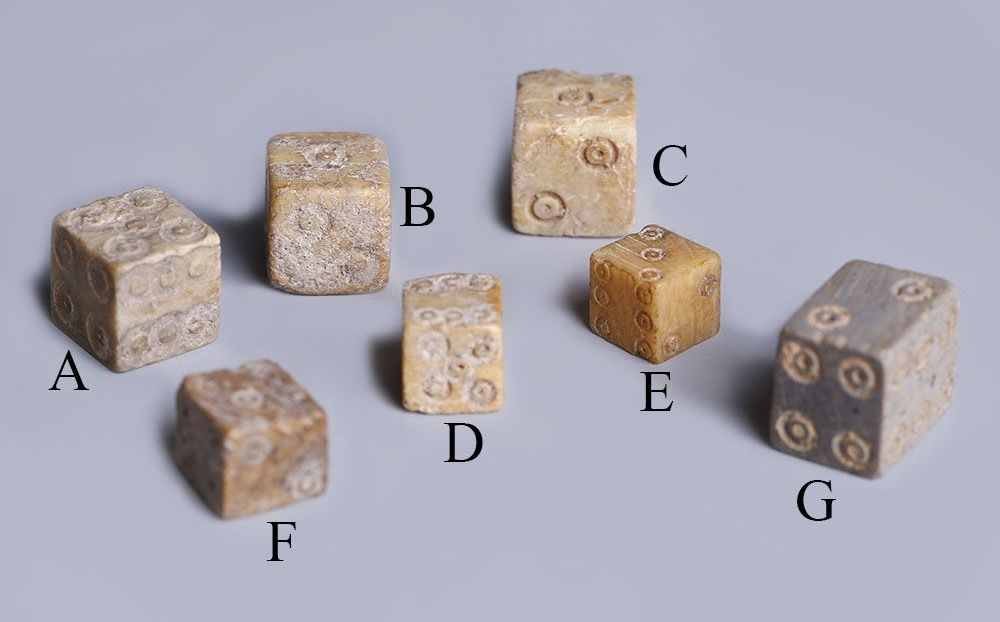
Meanwhile, back in the palace, Haman is made the #1 official, the king’s right hand man. All people are supposed to bow down to Haman. Mordecai, a devout Jew, will only bow down to God. A very angry Haman gets the king to write a decree calling for all Jews to be killed on the 13th day of the 12th month. This date was chosen by casting dice (or purim) and it falls the day before the Jews would celebrate the Passover, their greatest day of deliverance.

Mordecai hears of the decree and he fasts and mourns. Esther hears of this and, through a back and forth through Hathach, she finds the courage to go to the king on behalf of her people. She finds courage in these words from Mordecai: “Maybe it was for a moment like this that you came to be part of the royal family.” We too are a part of a royal family – God’s. When might we be called upon to risk for our faith? And in that moment of truth and testing, how will we respond?

Prayer: Lord God, your hand is ever guiding and leading. Most of our days are routine. But sometimes we come to where Esther is: a single moment when we are put to the test. We must decide: do we trust you? Lord, in these moments, speak into our hearts, reminding us of your sure presence and of our assured place in your family. Amen.


Leave a comment

With and Without

Readings: 1st Kings 20, 1st Kings 21, 1st Kings 22

1st Kings 20:13 – “Do you see that great army? Today I am handing it over to you. Then you will know that I am the LORD.”

Photo credit: Einar Storsul

Today’s readings center on war between Israel and Aram. Ben-hadad leads a huge army and makes demands of Ahab. After giving in to the first, Ahab refuses the next demand. God sends a prophet to Ahab, saying, “Do you see that great army? Today I am handing it over to you. Then you will know that I am the LORD.” District officials lead Israel to victory this day. Ahab sees what walking with God looks like. Warfare resumes the next spring. Again, the prophet brings basically the same words of assurance. A great victory is won. But Ahab is merciful to Ben-hadad, being disobedient to God. Another prophet reveals that it will now be Ahab’s life for Ben-hadad’s life. Walking without God has its consequences.

Upset and irritated, Ahab goes home. He tries to get something new to feel better. Been there? But Naboth refuses to sell his family inheritance. Ahab pouts. Jezreel notices and takes matters into her own hands. Through a sham trial she arranges Naboth’s death. While inspecting his new vineyard, Ahab is visited by Elijah. God condemns Ahab and Jezreel. In response, though, Ahab mourns and fasts. Because of this, disaster will fall in the next king.

There is again war with Aram. Ahab invites Jehoshaphat to fight alongside him. Prophets are consulted. A false spirit gives bad information. Sensing something is wrong, Jehoshaphat asks for another prophet. In the end, Micaiah reveals that soon Israel will be like sheep without a shepherd. Then, in spite of disguising himself, a “random” arrow hits Ahab. He dies. Israel and Judah retreat.

Jehoshaphat continues to rule in Judah, walking with God. Ahaziah, Ahab’s son, rules in Israel, walking without God. This angers the Lord. His story concludes tomorrow as we turn to 2nd Kings.

Prayer: Lord God, what a profound difference we find when we choose to walk with you. Spirit of God, help us when we are weak and tempted. Guide us to God’s heart and to walking with God. Amen.


Leave a comment

God Is…

Readings: Exodus 31, Exodus 32, Exodus 33, Exodus 34

Exodus 34:6-7 – “The LORD! A God who is compassionate and merciful, very patient, full of great loyalty and faithfulness… forgiving.”

Photo credit: Diego Gennaro

Chapter 31 begins with the appointment of two skilled artisans to oversee the building of the tabernacle. This is followed up by a reiteration of the Sabbath guidelines. God’s point: even the building of God’s home is not to be used as an excuse to break the Sabbath. All of our excuses pale by comparison.

The story of the gold bull calf fills chapter 32. The people go astray and Aaron goes along. Moses has been gone a long time. The people forget who and what God has been and done. An idol is made and is worshipped. God is ready to “devour” them in fury, but Moses intercedes, reminding God of their history. God’s anger relents. Moses and Joshua return to camp. Moses becomes furious, smashing the covenant tablets. He destroys the bull calf and forces the Israelites to drink its ash mixed in water. Moses then rallies the Levites. About 3,000 are killed by the sword. A plague then follows.

As chapter 33 begins, God refuses to go with these stubborn people. Moses sets up a tent outside of the camp, symbolic of real separation that their sin has created. God meets with Moses in the tent. The people are faithful, paying close attention. Moses again intercedes for the people, laying his relationship with God on the line. God relents. Moses is then allowed to see God’s glory. Passing by Moses, God declares that God is compassionate and merciful, very patient, full of great loyalty and faithfulness… forgiving.”

God then renews the covenant with the people. God warns the people about making a covenant with those that God will drive out. God instructs them to purge the land of the idols and altars that are there. They are warned about marrying the locals. God then reiterates much of the material from the first covenant. This time Moses comes down with a face aglow – reflecting God’s glory.

In today’s return to a story format we can again see ourselves – at times as the sinful, idol-worshipping Israelites and at times as Moses as he pleads with God. We can see ourselves as the Israelites eagerly watching for God and as the people who need warnings about the pagan culture around us. Through it all, though, both then and now, God remains compassionate and merciful, patient and forgiving. Thanks be to God.

Prayer: Lord God, how true and faithful you are. What a long, patient walk you have been on with your children. I am awed by your love. Amen.