pastorjohnb

Thoughts and musings on faith and our mighty God!


Leave a comment

Radical Love

Reading: Luke 23:33-38

Luke 23:34 – “Father, forgive them, for they don’t know what they’re doing.”

Our readings today and tomorrow focus on Jesus’ crucifixion. The way of Jesus stands in very sharp contrast to the ways of the world. This contrast begins in verse 33. The Romans crucify three people. Two crucifixions are just and one is unjust. All three accomplish the same goal: eliminating those who challenge your power. This remains the way of the world.

Those present at the crucifixion, all three groups named in today’s reading, they all equate power with strength, control, wealth, status. The religious leaders and the soldiers and the Roman governor sneer at and mock Jesus. They all want (or say they want) Jesus to exert some of his power to come down off the cross: “Save yourself.” That’s what we’d try to do. We’d try to save ourselves. Many there that day that utter these words have seen the miracles and heard the unearthly wisdom of Jesus’ teachings. Pilate’s sign above Jesus’ head mocks him too. A king? Surely he would save himself if that were true. Today we continue to mock and sneer at things and at people that do not meet our expectations and/or that we do not understand.

Jesus’ power runs counter to all of these ways of power and of the world. As he is physically being nailed to the cross – large spikes being driven through his palms and his feet – Jesus says, “Father, forgive them, for they don’t know what they’re doing.” As John Wesley noted in a sermon, Jesus ignores this incredible pain because he is more worried about the salvation of all involved in the crucifixion. Forgiving others always, this is power. The way of love for God and neighbor triumphs over all things. Thanks be to God for this most excellent way of love.

Prayer: Lord God, what great power we see in your radical way of love. It was unaffected by the things of the world going on around you. It was an unconditional love that reached out to those harming you and taking your life. Lord, fill us with this powerful love. Filled, send us out as your radical love lived out in the world. Amen.


Leave a comment

Lean In, Trust

Reading: Psalm 79:1-5

Psalm 79:5 – “How long will you rage, Lord? Forever? How long will your anger burn like fire?”

Today the psalmist asks a question we all ask: How long? In almost every difficult situation that we face and endure, we come to this question. Whether referring to the waves of grief that don’t relent or to the job search that won’t resolve itself or to the bullying that your child faces day after day or to the violence and destruction that the psalmist faces, in times of trial or pain or suffering or grief, we ask God: How long?

While we do not ever receive a specific time and date from God that tells us when relief or resolution will occur, we can have a hand in how we walk in and through these dark valleys. We can choose to shout “How long?” with a clenched fist raised against God. Or we can choose to whisper “How long?” with hands open to receive from God. The psalmist models the second option. For us, we must begin where the psalmist began, naming the situation. In this case, the writer names what it looks and feels like in the aftermath of the Babylonians destroying Jerusalem and the temple. The physical scene is horrific. To look at it and to name it begins to move one past the “Is this real?” stage. While painful, acceptance is an important step in our healing process.

The psalmist is also open and vulnerable with his emotions. From his perspective, all has been done to God’s city, to God’s temple, to God’s people. This goes against previous religious understandings and creates disorientation, forcing a new understanding of God and the world. Adding to the trauma is the ridicule coming from pagan neighbors. At times of grief or suffering or pain perhaps you or someone you know has heard, “If you just did (or didn’t)…” These words sting – as if you would have chosen this terrible outcome.

Laying it all on the table before the Lord and others we love and trust is an act of surrender, a practice in humility. Even as the psalmist asks “How long?” there is a leaning into God’s presence, a trust in God to act and move even in this place of death, loss, suffering… In our times of deep need, may we too be open and vulnerable and honest with God and with those close to us. May our hands be open to receive.

Prayer: Lord God, these initial steps can be so hard. We’d rather close our eyes and withdraw. When this is our first step, Lord, help us to feel your hand reaching out, to sense your Spirit surrounding us. Walk with us in love and grace. Amen.


Leave a comment

Tears of Grief

Reading: Jeremiah 8:18-9:2

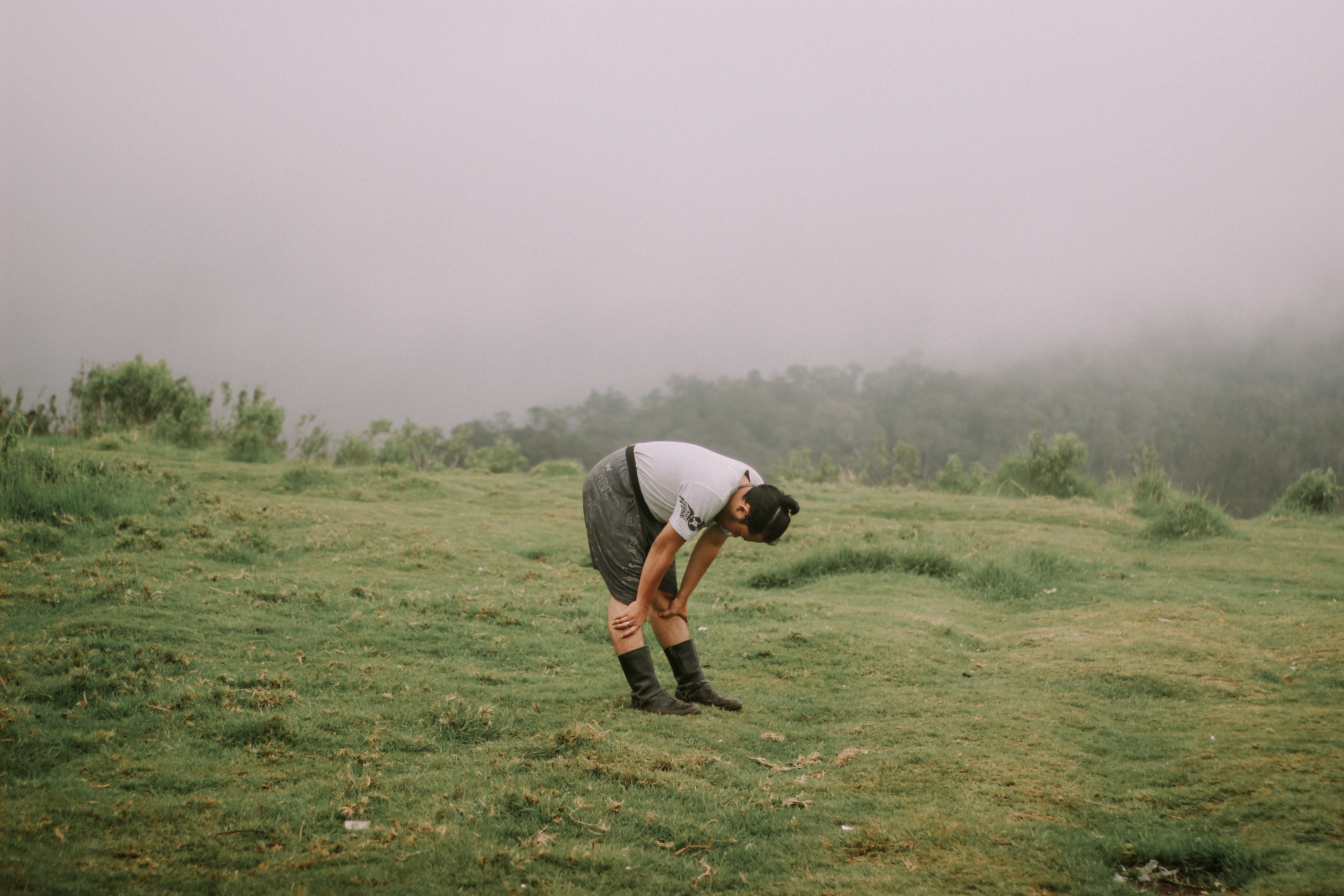
Jeremiah 8:21 – “Because my people are crushed, I am crushed; darkness and despair overwhelm me.”

Photo credit: Rainier Ridao

In today’s passage from Jeremiah it is difficult to determine if God is speaking or if it is Jeremiah speaking. Our verses today seem to be a mix of the two, with both God and prophet expressing their grief over Judah’s fate. For many years, God’s people have been unfaithful to their God. Their choice to abandon God has led to God’s choice to abandon them to their sin. At times we too can choose to separate ourselves from God. We too grieve God’s heart this deeply.

God seems to be the speaker in verses 19-21. The people are asking a question and implying another that are common in times of loss and pain and grief. Directly they are asking where the Lord is: “Isn’t the Lord in Zion?” This is a question often asked in grief. The second question is implied: Why, why is this happening to us? This is a question that we can ask when lost in our sin as well. When our sin that consumed us leads to a place of pain and suffering, we can forget that our choices brought us to this place. In the disorientation of grief, we do ask “Why?”

For God’s people , the answer is given: idol worship has led to this place. As the prophet that worked to turn Judah back to God, Jeremiah grieves too. In verse 21 we read, “Because my people are crushed, I am crushed; darkness and despair overwhelm me.” The tentacles of grief surround the prophet. He laments alongside the people who are far from God. This is a place we will also find ourselves. Walking alongside others in grief, feeling and taking on some of their pain and sorrow. Our tears join their tears as we offer love and comfort in the midst of their hurt and despair. Doing so, we bring God’s presence into the darkness and despair.

Prayer: Lord God, times of grief and suffering are sure to come – to ourselves, to those we love, to our neighbors. In these times, may we sense your presence and may we lean into your love and strength, whether for ourselves or as we walk with others. Be with us in our tears, O God. Amen.


Leave a comment

Suffering, Hope, and Patience

Reading: Romans 8:18-25

Romans 8:19 – “The whole creation waits breathless with anticipation for the revelation of God’s sons and daughters.”

Today’s passage is titled “Our Suffering and Our Hope” in my Bible. Verse 18 really sums this up nicely. Paul reminds his readers and us that our present suffering is “nothing” compared to the glory that will one day be revealed. While Paul is looking forward to heaven here, the glory of God is present in this world as well.

In verse 19 we read, “The whole creation waits breathless with anticipation for the revelation of God’s sons and daughters.” All of creation is subjected to decay and to the impact of sin. All of creation longs to be set free from these things. Paul describes this longing using the birthing process – the groans and labor pains of a mother are like those of creation. Most of us have been in the spot that Paul is connecting to hear, breathlessly waiting, anticipating that first cry, longing to experience the joy of new life. In Paul’s mind this new birth hinges on the revelation of God’s sons and daughters. Paul understood his role and the role of all believers as active participants in God’s work of redemption and restoration. Paul understands that all of creation is waiting for the church to be the church, actively working to bring wholeness and new life to all of creation.

Paul also speaks of a believer’s longing to one day be set free from this body and from this world. While we long for this we do so with hope and with patience. Our hope is set on Christ, the first of many to be set free. We wait with patience, trusting in God’s promise to one day make all things new. We wait with this sure hope. Thanks be to God!

Prayer: Lord God, guide us to live our our faith day by day, seeking to partner with you in bringing healing, wholeness, and new life to all of creation. Lead us by the Spirit. While our eyes and hearts are set on the glory to come, also enable us to see the suffering and pain of this life. Seeing, move us to respond. Amen.


Leave a comment

Afflictions

Reading: Psalm 6:3-9

Psalm 6:3 – “How long will this last? Come back to me, Lord! Deliver me!”

Photo credit: Falaq Lazuardi

David cries out to God in Psalm 6 much as we cry out to God over the courses of our lives. In this Psalm, David is “completely terrified.” Perhaps you have felt this way. Or maybe you have felt utterly hopeless or totally defeated or absolutely alone or beyond grief. Maybe it is a chronic illness that has settled in, disrupting your life. In each case and many more we’ve all uttered words similar to David’s: “How long will this last? Come back to me, Lord! Deliver me!”

David must feel close to death. He lifts the idea that no one praises God from Sheol, a place between death and eternity. As the Psalm continues, David expresses his sorrow and pain. He feels worn out. Each night his bed is soaked with tears. His vision has become unclear – perhaps physically but more likely emotionally. The feeling of not being able to see or think straight has effected all of us during difficult times in life.

The affliction of David appears to be caused by others. David tells the “evil doers” to get away. There is a reason besides simply wanting relief or healing. David declares that God has heard his cries, that God has listened, that God accepts his prayer. The light and love of God has permeated David’s darkness. Of this, David is sure. He feels it in his heart. In our times of suffering and trial, may it be so for us as well.

Prayer: Lord God, sorrow, pain, suffering, grief – they are all part of this life. All will come upon us at times. Lead us to you in these moments and seasons – you are our rock and our hope. Guide us to trust in you alone – you are our strength and our redeemer. Amen.


Leave a comment

No One Sees

Reading: 1st Samuel 1:3-8

1st Samuel 1:8 – “Why won’t you eat? Why are you so sad? Aren’t I worth more than ten sons to you?”

This week we delve into our call to see the small, the overlooked, the marginalized. We will wrestle with how we respond to their cries. This often puts us at odds with those in power and with our culture.

All of these topics are present in our 1st Samuel 1 reading. In the text, Hannah is the central figure. She is the one who only receives one part of the offering “because the Lord had kept her from conceiving.” In this agricultural society, children were necessary for a family’s survival. This also factored in later in life. Without children in old age, one would potentially not have anyone to care or provide for them. To be unable to bear children was a cultural shame and a great risk.

Hannah is frequently reminded of all of this by Peninnah, Elkanah’s other wife, the one with many children. This cruelty was especially unavoidable at the festival in Shiloh. All were together in limited space. Elkanah sees Hannah crying and says to her, “Why won’t you eat? Why are you so sad? Aren’t I worth more than ten sons to you?” The focus of his questions are really on himself and his self-worth, not on Hannah. He sees her but doesn’t really see her. No one really sees Hannah. Who do you know that is like this?

Prayer: Lord God, we too can look past the one hurting right in front of us. We too can make it about how their pain or suffering is effecting us or our lives. In these times, Lord, slow us down, divest us of self, guide us to be present to the person and make us responsive to their needs. Amen.


Leave a comment

Pursuing God

Reading: 1st Timothy 6:5-12

1st Timothy 6:12 – “Compete in the good fight of faith. Grab hold of eternal life.”

As Paul closes his first letter to Timothy he lays out the difference between being faithful and wanting to look faithful. We see this today in our world as people claim to follow Jesus and then say and do things that Jesus would’ve never ever said or done. There is “constant bickering” in these circles and there is a constant desire for “more money” and for more power, more control, more… Paul’s words in verse 5 still ring true today.

Paul reminds Timothy that there is great profit in our faith. It is just not profit as the world defines this idea. Paul invites Timothy (and us) to be happy or content with what God has provided, whether food or clothing or whatever. This frame of mind helps to guard our hearts against loving and pursuing the things of this world. This contrasts sharply with those trying to “get rich” or to accumulate others things of this world. There folks easily “fall into temptation” as they become trapped in the endless cycle of “more!” Some of these have even “impaled themselves with a lot of pain” in their pursuit of earthly things.

Timothy is encouraged to “run away from these things.” Paul encourages him to pursue the things of God: “righteousness, holy living, faithfulness, love, endurance, gentleness.” These are the things we too are to pursue. Paul then implores Timothy (and us) to “Compete in the good fight of faith. Grab hold of eternal life.” To deny self, to not pursue the things of this world, it is a fight, a battle. In my study Bible the commentary notes, “In the end we will become not what we own but what we do.” Pursuing God, may we be transformed more and more into God’s image and character, day by day.

Prayer: Lord God, by the power of your Holy Spirit, fix our eyes and hearts on you. By this same power, guard our eyes and hearts against those things that our culture values. Lead us to find peace and contentment, joy and pleasure in all that you provide. Amen.


Leave a comment

Good and Perfect

Reading: Revelation 21:1-5

Revelation 21:3 – “Look! God’s dwelling is here with humankind. He will dwell with them, and they will be his people.”

Revelation 21 begins the third major section of John’s book and it recounts the new creation – a new heaven and earth. In many ways this vision bookends Genesis 1, where God walked and talked daily with humankind in a perfect and good world created by God. In Revelation, the new creation comes down out of heaven and settles on earth. John names this city of God “the New Jerusalem.” It is magnificently described in verse 2 as “a bride beautifully dressed for her husband.” There is intimacy in these words.

In verse 3 we read, “Look! God’s dwelling is here with humankind. He will dwell with them, and they will be his people.” God’s constant presence will be with all who dwell in the new creation. Because of this presence, there will be no tears, no death, “no mourning, crying, or pain.” These are the things of the old world and they will pass away, establishing a new creation where life, joy, love, and peace will reign.

The one on the throne speaks, declaring, “Look! I’m making all things new.” The divine presence is doing what was done in Genesis 1. Through the power of God, all will be made anew, good and perfect. Our role in this new creation will be to worship our God. What a beautiful vision of what will one day come into being.

Prayer: Lord God, thank you for the hope found in these words. These are words we always need to remember and often need to hear. Lead and guide us to walk faithfully all of our days. Draw us towards the new creation. And use us to help manifest it here on earth. Amen.


Leave a comment

May the God of…

Reading: 1st Samuel 1:9-17

1st Samuel 1:16b – “This whole time I’ve been praying out of my great worry and trouble.”

Photo credit: Rainier Ridao

Today’s scene is located in a place of worship in Shiloh. Elkanah, the husband of Hannah and Peninnah, takes his family here once a year to worship and sacrifice to the Lord. Hannah’s life is very hard emotionally. Peninnah would “make fun of her mercilessly” because Hannah was unable to conceive children. Children, especially male children, were highly valued in that culture. If Elkanah died, for example, Hannah’s survival would depend on her offspring. Bearing and raising children was Hannah’s main responsibility in life and she was unable to meet this expectation.

It is with heaviness of heart and soul that Hannah goes to the place of worship. She is “very upset” and she “couldn’t stop crying.” She pours our her heart to God, begging for a son, promising to “give him to the Lord for his entire life.” This willingness to give up a son reveals the depth of her pain and shame over being childless. While our society today doesn’t place the same premium on bearing children, what does bring shame in our culture? If you are without ____, what marginalizes people today?

Eli sees Hannah praying. The priest assumes that she is drunk. She is not. She says to Eli, “This whole time I’ve been praying out of my great worry and trouble.” She has almost assuredly prayer for a child ever since marrying Elkanah. The desperation has risen with each child Peninnah bore to him. Understanding the depth of her pain, sorrow, and shame, Eli blesses her, saying, “May the God of Israel give you what you’ve asked from him.” In our moments of great need, may it be so for us as well.

Prayer: Lord God, sometimes we feel like Hannah. Sometimes we feel marginalized and less than. For some folks, though, that is their “normal.” Lord, open our eyes and awaken our hearts to those who exist on the edges today. With your love and compassion, guide us to draw them into community, into a place where they can find meaning and worth. Through the sharing of our blessings, use us to meet their needs. Amen.


Leave a comment

All for Us

Reading: Psalm 22:1-18

Psalm 22:7-8 – “All who see me make fun of me… ‘He committed himself to the Lord, so let God rescue him ‘”

Photo credit: Emily Crawford

In these words of David there is lament, sorrow, pain, abandonment. As we read these words we can feel what David was going through. Perhaps you, like me, connected back to an experience in your life when you felt these emotions. Jesus felt them. Throughout this Psalm we see connections to the passion of the Christ.

David begins with words Jesus echoes from the cross: “My God, my God, why have you left me all alone?” Taking the sin of the world upon himself, God could not look at Jesus. David then recalls times – both personal and corporate – when God rescued, saved, answered the prayers and cries for help. That trust and faith still wants to be there. The pain and suffering just makes it hard.

David is being “insulted by one person, despised by another.” On the cross, Jesus endured taunts, insults, mocking. In verses 7-8 we read, “All who see me make fun of me… ‘He committed himself to the Lord, so let God rescue him.'” The gospels echo these last words, spoken by the religious leaders who orchestrated Jesus’ crucifixion. In verses 9-11 there is a slight reprieve to the difficult emotions. David recalls a life committed to God. He asks for God’s presence. In the garden there are moments of intimate prayer between Jesus and God. Reflecting his own commitment and obedience, Jesus says, “Not my will…”

On the cross, as it was in the Psalm for David, it must’ve felt like everyone was against Jesus. He must’ve felt surrounded. Jesus’ life was poured out like water for us. The soldiers cast lots for Jesus’ clothes. Jesus was pierced in the hands and feet. All for us. All for us. Thanks be to God.

Prayer: Lord God, you truly hold it all in your hands. In these words that you inspired in David we see Christ’s story, played out a thousand years later. Your plan is grand. Yet you also hold each of us in your hands. You created us in the womb, designed to bear that image to the world. You walk with us daily. You are our God. Thank you. Amen.