pastorjohnb

Thoughts and musings on faith and our mighty God!


Leave a comment

Gracious and Generous

Reading: Luke 15-16

Luke 15:19 – “I no longer deserve to be called your son. Take me on as one of your hired hands.”

We begin with three parables about “lost” things. The parables of the lost sheep and the lost coin follow the same pattern: a thing is lost, a careful search is made, the thing is found, and a celebration follows. A similar celebration happens in heaven when a sinner changes heart and life.

The third parable centers on a lost son. The truly lost one is not the one in the early parts of the parable. The younger son is initially lost but realizes it and “comes to his senses.” He decided on these words: “I no longer deserve to be called your son. Take me on as one of your hired hands.” People can feel this way with God. We can feel this way. Yet in the father’s persona we see a God who runs to us with unconditional love. It doesn’t matter what we’ve done (or left undone) – God loves us and will offer grace always. We’re always welcomed back into the family of God. Sometimes we are called upon to help others understand this too.

The older son is truly lost. He sees himself as a servant and not as a son. His is a joyless yet dutiful existence. That is why anger rises so quickly. Even though the father reminds him of his inherited place in the family, he cannot move past his anger. The story leaves us hanging. What will the oldest son do? Will he too “come to his senses” or will he remain furious?

Chapter 16 holds two parables that deal with wealth. In the first story a manager cleverly uses money to benefit others in the present and to insure his own future. We are called to do the same. Wealth is just a tool to employ in the building of the kingdom. The second story reinforces this point. The rich man did the opposite, hoarding his wealth, ignoring the man in need right under his nose. His future does not end well. He did not listen to the Law and the prophets. We have these as well as the “one who rises from the dead.” May we hear Jesus’ call to be both gracious and generous, doing all we can to redeem the lost.

Prayer: Lord God, when we’re “lost” ourselves, help us to “come to our senses” again and again. And help us to walk alongside those who feel undeserving of your grace and forgiveness, enabling them to see their place in the family. And, Lord, when we struggle, thinking another undeserving of your or our grace, remind us of your great love that redeemed a sinner like us. May we gratefully receive and generously give of your love, grace, and forgiveness. Amen.


Leave a comment

To Change Hearts and Lives

Reading: Luke 4:14-5

Luke 5:32 – “I didn’t come to call righteous people but sinners to change their hearts and lives.”

Photo credit: Robert Linder

Jesus begins his public ministry teaching in the local synagogues. In his hometown of Nazareth he reads from the scroll of Isaiah. Jesus claims these words as the focus of his ministry. At first the audience is “raving” about Jesus but then someone asks, “This is Joseph’s son, isn’t it?” Jesus quotes a saying about prophets not being welcome in their hometown. He then reminds them of the story of the widow of Zarephath and of Naaman the Syrian. They are filled with anger. They do not want the Gentiles included in God’s plan.

Jesus travels to Capernaum and heals a man with a demon. News spreads. That evening he heals many, touching each. Crowds gather along the seashore. Jesus asks Simon to row out a bit so that he can teach. After he’s done teaching he asks Simon to row out and to drop the nets. A miraculous catch is followed by a sinner’s confession. Jesus tells Simon, “From now on you’ll be fishing for people.” Simon, along with James and John, leaves everything behind to follow Jesus.

After healing a man with a skin disease, again touching someone considered unclean by Jewish religion, Jesus has a public confrontation with the Pharisees and legal experts. In response to the faith shown by the friends lowering their paralyzed friend through the roof, Jesus says, “Friend, your sins are forgiven.” The religious leaders mutter about this. Jesus asks them which is easier: to say your sins are forgiven or to say get up and walk? Proving his authority to forgive sins, Jesus heals the man, who picks up his cot and walks home.

Jesus then calls Levi the tax collector. Levi throws a banquet. The religious leaders question Jesus about eating with tax collectors and other known sinners. His reply: “I didn’t come to call righteous people but sinners to change their hearts and lives.” Thanks be to God – Jesus came for you and for me!

Prayer: Lord God, your touch healed many and your words changed hearts and lives. Continue to speak into our hearts and lives each day. You also healed the wounds and separation caused by sin. Continue to heal us in this way, making us whole. Amen.


Leave a comment

One in Christ

Reading: Mark 1-3

Mark 2:17 – “I didn’t come to call righteous people, but sinners.”

Photo credit: Clay Banks

Mark’s gospel moves along quickly, often presenting what feels like shortened versions of lots of the stories we read in Matthew. Although written after and based upon Mark’s gospel, I think Matthew’s is placed first in the New Testament because it gives details that inform our reading of Mark.

John the Baptist begins the story. Jesus is an adult. John calls people to a baptism that shows they are changing their hearts and lives. He tells of Jesus, “one stronger than I,” of one who will baptize not with water but “with the Holy Spirit.” Jesus is then baptized by John, hears God’s words of love and affirmation, and it tempted in the wilderness. John is arrested and Jesus gets to work, declaring that God’s kingdom is here, so change your hearts and lives. Jesus then calls the first disciples, heals a demoniac and Simon’s mother-in-law, preaches, and heals a leper. That’s all in chapter 1!

We slow down slightly in chapters 2 and 3. Jesus begins to interact with the religious leaders. Jesus forgives a paralyzed man’s sins, prompting muttering from the religious leaders. He heals the man next, showing he has authority over sin. He eats with tax collectors and other sinners after calling Levi (also known as Matthew.) In response to the religious leaders grumbling about this, Jesus tells them, “I didn’t come to call righteous people, but sinners.” Then the religious leaders question Jesus’ about his disciples not fasting. Jesus tells them the disciples will when he is gone. For now, though, Jesus is here to do a new thing, to offer a new understanding of how to live a holy and righteous life.

Then there is conflict around the Sabbath. Jesus declares that the Sabbath is about doing good and drawing closer to God. The religious leaders begin to plan how to kill Jesus. Jesus then calls the 12 and appoints them to be with him, to preach, and to cast out demons. After clearing up which side he is on (it’s not Satan’s), Jesus claims that his followers are his true family, his one community. One in Christ, we too are one with each other. Thanks be to God.

Prayer: Lord God, we are rooted and bound together in your love. That love leads, guides, flavors, influences our relationships with one another. As we seek to build your kingdom here on earth, draw us deeper and deeper into your love. Amen.


Leave a comment

So It Was… So It Must Be

Reading: Matthew 19-20

Matthew 20:26-27 – “Whoever wants to be great among you will be your servant. Whoever wants to be first among you will be your slave.”

Today’s readings center on the upside-down and countercultural life that Jesus calls his followers to. He first addresses divorce in an exchange with the Pharisees. They want to know if Jesus thinks it is ok to divorce one’s wife for any reason. The fact is the Law has been watered down to accommodate human desires. Jesus goes back to Genesis, declaring God’s intent: “Humans must not pull apart what God has put together.”

After blessing the children because “the kingdom belongs to people like these children,” Jesus encounters a rich man. He wants to know what “good thing” he must do to have eternal life. He’s kept the commandments, but feels like he’s missing something. That tug on the heart is there. Jesus tells him that to be “complete” he must go and sell all, giving the money to the poor. He cannot do this. Saddened, he goes away. Peter asks about the disciples leaving all for Jesus. The reward will be great for those who leave home, family… to follow Jesus.

To perhaps temper this reward mentality Jesus tells the parable of the workers in the vineyard. An owner hires workers early in the morning to work for one denarion, a typical day’s wage. He also hires at 9, noon, 3, and 5. At the end of the day the owner instructs his manager to work backwards. He first pays those who’ve worked an hour a denarion. The all-day workers also receive a denarion. They grumble, thinking they deserve more. They are resentful of the owner’s generosity. So it is with us sometimes as we see God freely granting mercy.

After again predicting his death and resurrection, James and John’s mother requests places of supreme honor in heaven for her sons. Perhaps she thinks they’ve given up the most to follow Jesus. Her request is denied. Her asking angers the rest of the 12. Jesus calls them all in and tells them, “Whoever wants to be great among you will be your servant. Whoever wants to be first among you will be your slave.” So it was with Jesus. So it must be with us.

Prayer: Lord God, again and again today we hear the calls to place both you and others before self, to be humble and generous, to honor you in all we do. When we seek to walk in these ways we can bump up against the ways of the world that elevate self as #1 and preach “Gather, gather, gather!” In those moments of temptation, remind us of our call to walk in the footsteps of Jesus, following his example of servant to all. Amen.


Leave a comment

Putting on the Yoke

Matthew 11:29 – “Put on my yoke, and learn from me. I’m gentle and humble. And you will find rest for yourselves.”

John the Baptist is the focus of the start of chapter 11. He sends his disciples to Jesus (he is in prison), asking, “Are you the one?” The response Jesus gives is to tell John what they see and hear. The blind see, the dead are raised… The fruit of his ministry is the proof: Jesus is the Messiah. John was an important one too, Jesus says: “He is the Elijah who is to come.” Jesus then laments this generation. They misunderstood John and they’ll misunderstand Jesus. This leads Jesus to lament about the places that he has ministered. They saw the miracle and did not change hearts or lives. He later declares that Nineveh will condemn this generation. They heard Jonah’s message and changed hearts and lives.

At the end of chapter 11 Jesus praises God for keeping “these things” hidden from the wise and intelligent (the religious leaders). He issues an invitation to those who are struggling and carrying heavy loads (the poor): “Put on my yoke, and learn from me. I’m gentle and humble. And you will find rest for yourselves.” What a contrast to the Pharisees. They and Jesus both called for a devout adherence to the Law. For one, though, the Law was a heavy weight to carry. For Jesus, “my burden is light.” Here one finds rest, not weariness.

Sabbath adherence is the focus of the beginning of chapter 12. These two encounters highlight the heavy/light contrast. Eating when famished and doing good supersedes the “do no work” mandate. Mercy trumps sacrifice. Love always wins. These clashes begin the Pharisees down the road to snuffing out this threat. The next clash centers on healing a demon-possessed mute man. The Pharisees attribute the healing to Jesus working with Satan. He rebukes this idea, claiming it is by the Holy Spirit that he heals. Jesus condemns them for their “useless words.” They demand a sign. Remember Jonah?, he asks. Jesus tells them he will be in the “heart of the earth for three days and nights.” What a surprise ending that story will have too! Even better than Jonah’s!

Today’s reading closes with Jesus calling his true family his disciples. They have taken on his yoke and are walking with Jesus. The disciples are Jesus’ “brothers, sisters, mothers.” May it be so for us as well.

Prayer: Lord God, you continue to speak the words of life. Some hear and understand, some do not. Give us ears to hear. You continue to invite us to change our hearts and lives, growing deeper and more connected to you. Give us a spirit that is ever willing. Draw us more completely into your family, O God. Amen.


Leave a comment

The Royal Family

Readings: Esther 1Esther 2, Esther 3, Esther 4

Esther 4:14: “Maybe it was for a moment like this that you came to be part of the royal family.”

Today we begin the book of Esther. It is set in the city of Susa – the city where Nehemiah served King Artaxerxes. Esther’s story unfolds under the next king, Ahasuerus (or Xerxes I.) He was the 4th king that reigned in Persia during the 120 years that it took to rebuild the temple and the wall around Jerusalem. Almost all of the Israelites sent into exile are still living in the provinces of Persia.

Right away we learn that Ahasuerus likes to show off his wealth and power. After a seven day party he wants to show off his beautiful queen. Vashti refuses to be paraded around. This opens the door for a new queen. Esther is one of hundreds yet is chosen as the next queen. Throughout the story, Esther finds favor with others. Mordecai, a Jew who works at the King’s Gate, was like a father to Esther. About that time, he overhears a plot to kill the king. He reports it through Esther and the event is noted in the royal record.

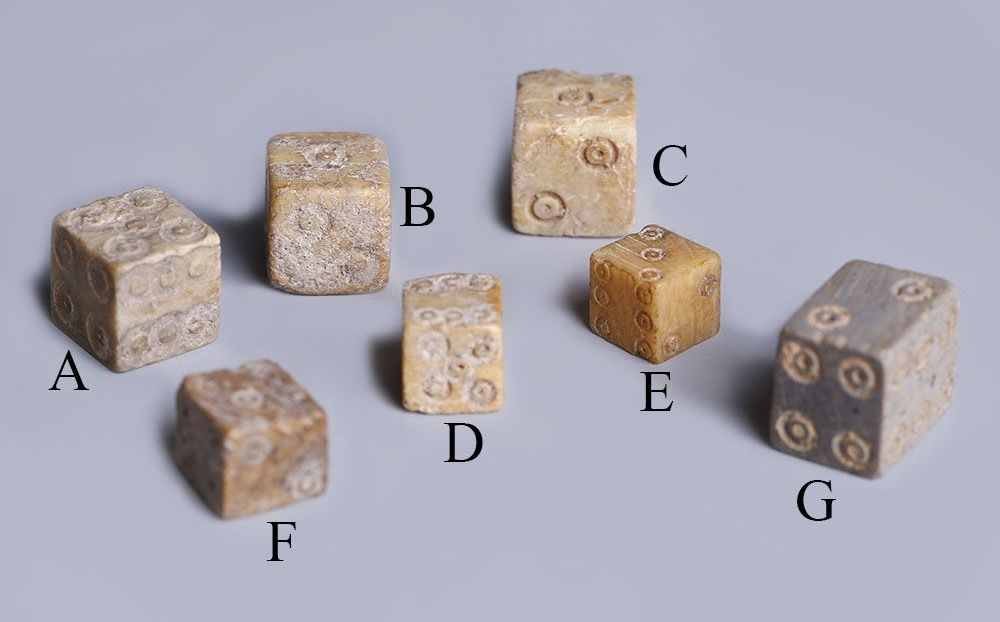
Meanwhile, back in the palace, Haman is made the #1 official, the king’s right hand man. All people are supposed to bow down to Haman. Mordecai, a devout Jew, will only bow down to God. A very angry Haman gets the king to write a decree calling for all Jews to be killed on the 13th day of the 12th month. This date was chosen by casting dice (or purim) and it falls the day before the Jews would celebrate the Passover, their greatest day of deliverance.

Mordecai hears of the decree and he fasts and mourns. Esther hears of this and, through a back and forth through Hathach, she finds the courage to go to the king on behalf of her people. She finds courage in these words from Mordecai: “Maybe it was for a moment like this that you came to be part of the royal family.” We too are a part of a royal family – God’s. When might we be called upon to risk for our faith? And in that moment of truth and testing, how will we respond?

Prayer: Lord God, your hand is ever guiding and leading. Most of our days are routine. But sometimes we come to where Esther is: a single moment when we are put to the test. We must decide: do we trust you? Lord, in these moments, speak into our hearts, reminding us of your sure presence and of our assured place in your family. Amen.


Leave a comment

Painting a Picture

Readings: Ruth 1, Ruth 2

Ruth 1:16 – “Wherever you go, I will go; and wherever you stay, I will stay. Your people will be my people, and your God will be my God.”

The book of Ruth is a book of faithfulness and righteousness, of love and loyalty, and of compassion and inclusion. It centers on a deep commitment to family that mirrors God’s commitment to humanity. The book of Ruth calls us, no, challenges us to consider how our daily lives and choices might reflect these qualities and practices so that we too might join in God’s ongoing effort to bring heaven to earth.

The story begins with tragedy and hardship. Famine forces a family to move to Moab, a foreign land. Soon the husband does but the sons find Moabite wives. After ten years the sons die, leaving three widows. Recognizing their tenuous situation, Naomi tells Orpah and Ruth to go home, to find husbands, to start over. In this critical moment, Naomi sets aside her grief, her fear, her hopelessness. She places the other first. Eventually Oprah goes home but Ruth refuses. In response to Naomi’s last heartfelt plea to go home, Ruth responds, “Wherever you go, I will go; and wherever you stay, I will stay. Your people will be my people, and your God will be my God.” To me, these are some of the most beautiful words in the Bible.

Returning to Bethlehem, Naomi’s words betray their dire situation. Reflecting on the reality that she “went away full” but “came home empty,” she asks to now be called ‘Mara.’ This translates ‘bitter.’ Ruth, undeterred by their situation and filled with love for Naomi, goes to glean in the fields. The connection to Boaz is soon made and he provides safe and generous gleaning conditions. Ruth notices and asks why. He responds that he has heard the story of her love, faithfulness, and commitment to Naomi. When Ruth comes home with a bountiful harvest and the even more gracious story of the day, Naomi finds hope. She knows that Boaz is family and is possibly one to redeem their situation.

Love and compassion drive the story – both of their care for one another and of the care given to Naomi and Ruth. Faithful and righteous living draws others into the story and inspires them to be a part of it. The story paints a picture of how we are to live and be in the world. How may we do so today?

Prayer: Lord God, today we are reminded that doing the right thing is always the right thing – even when it is hard. Love, commitment, loyalty, family – these matter deeply. Guide us to mirror these things in our relationships, in our communities, and in our world. Amen.


Leave a comment

Obedience and Faith

Readings: Exodus 1, Exodus 2, Exodus 3, and Exodus 4

Genesis 2:24-25 – “God heard their cry… God remembered his covenant… God looked at the Israelites, and God understood.”

Today we begin the story of the Exodus! It is the story of God’s deliverance from oppression and it is the story of the formation of God’s people. The story begins with the fulfillment of part of the covenant – Abraham’s descendants become numerous. Seventy quickly grows to be thousands upon thousands. Pharaoh fears them then enslaves the Hebrews. Growth continues. Faith is demonstrated by Shiphrah and Puah, thwarting plan A. Plan B is to drown all Hebrew baby boys in the Nile River. Moses is born and goes into the Nile – in a tarred basket. Providence has him rescued by Pharaoh’s daughter. He grows up largely as an Egyptian.

Turning to adulthood, Moses defends a slave, killing an Egyptian. Moses then flees to Midian where his rescue of some shepherdesses connects him to Jethro and family. Moses marries, settles down. The Israelites cry out. At the end of chapter 2 we read, “God heard their cry… God remembered his covenant… God looked at the Israelites, and God understood.”

Out tending the flock on Mount Horeb/Sinai, Moses is drawn to a burning bush. It is holy ground – God is present. God asks Moses to rescue the Hebrews. Moses has lots of excuses. Sound familiar?! The excuses: Who am I? Who are you? How will they know you sent me? But I can’t talk well! Can’t you just send someone else?! Only the last one angers God. Yet God relents and sends a long Aaron to help. Pharaoh’s stubbornness is foreshadowed, as is the final plague.

Obediently, Moses goes. Yet obedience must be complete. On the way, God appears and tries to kill “him.” Is Moses or his son Gershom? Either way this is about circumcision – the symbolic act that identities the Israelites as God’s people. Zipporah reads the scene correctly and she acts quickly. The chapter closes with Moses and Aaron’s initial meeting with the Hebrew elders. They believe and then they worship the Lord their God.

Prayer: Lord God, oh how we are like Moses! Raised in two worlds – yours and this place we call home. We too can be confused about who and whose we are. And when you come to us, we can make excuses with the best of them. Yet, in love you lead and guide us. You desire relationship. You are not a tyrant. You invite us to be co-creators with you, loving and caring for your intended world. Thank you for the invitation. May we respond with both obedience and faith. Amen.


Leave a comment

Into the Community

Reading: Luke 2:22-40

Verse 22: “Joseph and Mary took him to Jerusalem to present him to the Lord.”

The context for today’s passage is Mary and Joseph doing what all devout parents did – they brought Jesus to the temple to be redeemed. This ritual reminds me of our practice of baptism. As is the case with these parents, I can see Mary and Joseph beaming as they bring Jesus before the Lord. They offer the set amount to redeem their son – a sacrifice of two birds, the price required for a poor couple to bring their son back home.

On Sundays when parents present their child for baptism or for dedication, there is a special feeling, a sense of joy really, that covers the sacrament. It is contagious too – the smiles on the faces of the congregation are a little brighter as the child is made a part of the family of God and a part of our faith community. There is a joy in claiming the child and in committing to help that child walk in the way of the Lord.

There is a joy that we find today in Simeon and Anna. Both are devout, Holy Spirit filled Jews that are awaiting “the consolation of Israel” – the Messiah, the Savior. Both speak of the God-driven life that Jesus will lead. Both rejoice in the gift that Jesus is to them and to the world. Both are now at peace in their hearts. It is a beautiful scene.

As I think of baptism and this passage, I can’t quite imagine doing another baptism without incorporating verse 40: “And the child grew and became strong; he was filled with wisdom, and the grace of God was on him.” May it be so for each that we welcome into our community of faith.

Prayer: Lord God, there is such joy in dedicating a child to you. It brings happiness to our hearts to welcome them into the body of Christ. Lord, help us all to keep our commitments to these children. Amen.


Leave a comment

Heirs in Christ

Reading: Galatians 4:4-7

Verse 7: “So you are no longer a slave, but God’s child; and since you are God’s child, God has made you also an heir.”

Paul connects into the story of Christmas as he writes, “When the time had fully come, God sent his Son.” When God’s timing said that now is the time, Jesus entered into the world. Paul reminds his audience that Jesus was born a Jew – “born under law” – who came to redeem his fellow Jews. I wonder if when Paul penned verses like these, if he thought of his former life as Saul and rejoiced in the redeeming work that Jesus had done in his own life. Paul writes of that which he knows firsthand.

Paul notes that when we are redeemed we “receive adoption to sonship.” This leads to each of us receiving the indwelling presence of the Holy Spirit, which reminds us again and again of our family connection to God the Father. Another ‘right’ comes in verse 7: “So you are no longer a slave, but God’s child; and since you are God’s child, God has made you also an heir.” Through our redemption we become brothers and sisters in Christ, heirs with and in Christ. To be a brother or sister is to be a part of the family. But to be an heir – what does that mean?

To be an heir means we receive an inheritance. Parts of our inheritance are things like salvation and eternal life. Parts are the peace, love, hope, joy, grace… that we receive and live in every day. And… we also inherit the living example of Jesus Christ. This part of our inheritance calls us to expand the family – to “make disciples of all peoples” is how Jesus put it. We are called to live as Jesus lived, bringing light and love into the world. We are called to do as Jesus did, standing with and caring for the hurting, the suffering, the outcasts. Living in these ways of Jesus, our lives will invite others to seek to be a part of this wonderful family of God. May it be so.

Prayer: Lord God, we rejoice over being a part of your family. We celebrate and offer thanksgiving for all that this means in our lives. Let us not be content here, Lord. Guide us out into the world, living as Christ’s brothers and sisters, so that others can be welcomed home. Amen.