Galatians 3:3 – “After you started with the Spirit, are you now finishing up with your own effort?”
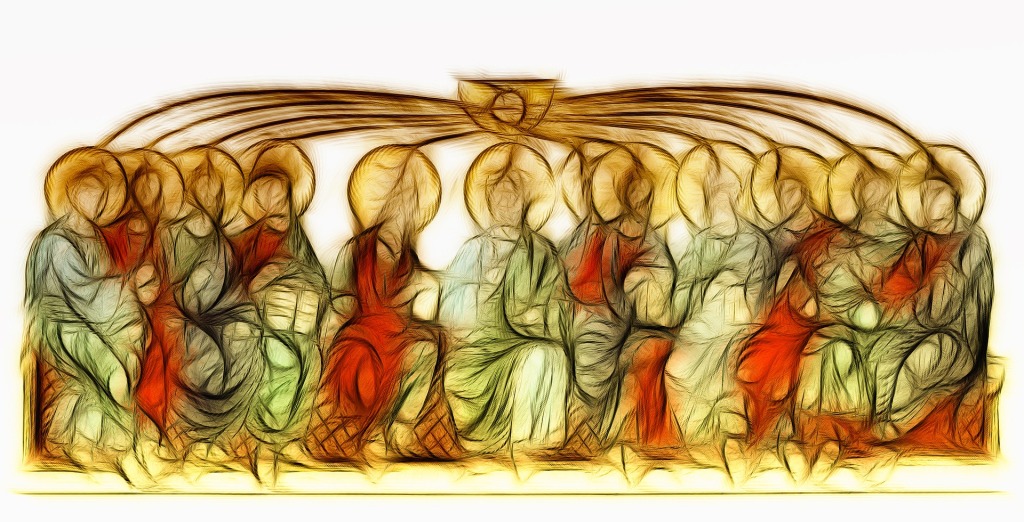
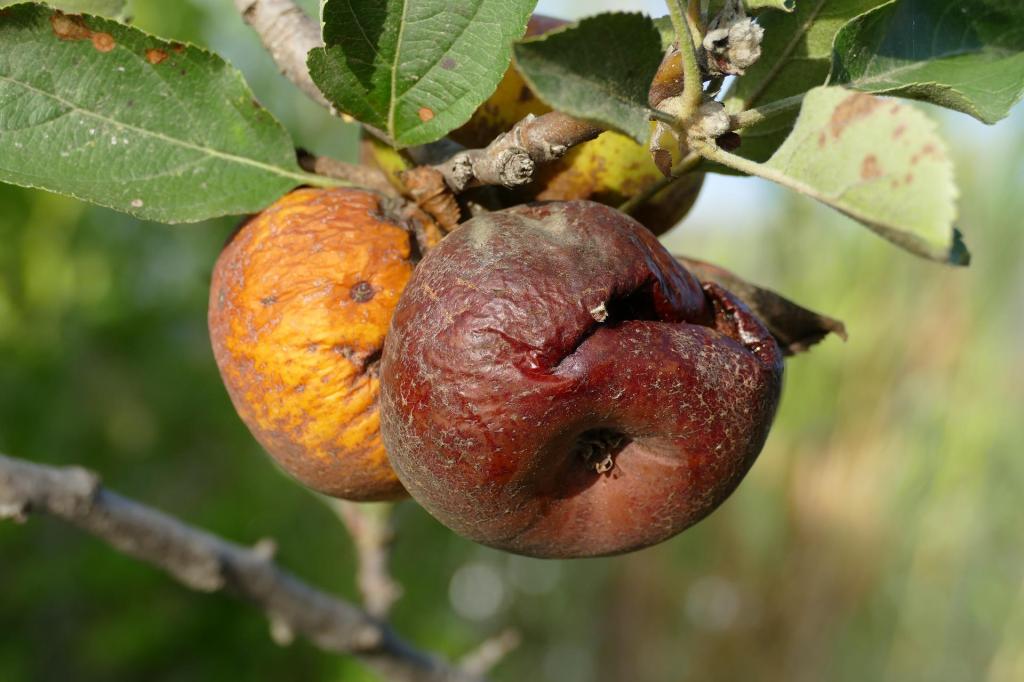
Chapters 3 and 4 focus on the works of the Law versus the Spirit and on slaves versus heirs. Paul begins chapter 3 with a great line: “You irrational Galatians!” Paul is clearly frustrated. But it is a frustrated with a laugh involved. Their choice is so hard to believe, it makes one chuckle. After receiving the Holy Spirit through faith in Jesus Christ, the Galatians have changed courses. Paul asks, “After you started with the Spirit, are you now finishing up with your own effort?” Perhaps we too smile because we’ve done something similar again and again – tackling a problem or an issue on our own instead of first turning to the Lord.
Paul reminds the Galatians that Abraham was credited as righteous because of his faith. He then reminds them that they were redeemed by Jesus Christ so that they too could receive Abraham’s promise. Through Jesus they’ve been made family: brothers and sisters with Christ. Baptized into Christ, now clothed in Christ, the Galatians are now part of the family of God. Moving on, Paul clarifies.
Paul reminds the Galatians that prior to knowing Christ, they were enslaved by the things (or gods) of this world. Now freed, Paul wonders how they can go back to that. He longs to be with them. He is “at a loss about you.” Paul then turns to another analogy: Abraham’s two sons. One was conceived and born “the normal way” to a slave woman. This “son” remains enslaved to the Law. The other son was born to a free woman, conceived through the promise. This is the line that the Galatians stand in: born into Christ, freed from the Law, living under the Spirit. This is the line that we stand in as fellow brothers and sisters in Christ. Thanks be to God.
Prayer: Lord God, thank you for our adoption into your family. Born outside the biological line, we are incorporated in by the Spirit. We’ve been made one in Christ, one with each other. Thank you, Jesus. Amen.
Jonah 1:6 – “Get up! Call on your god! Perhaps the god will give some thought to us so that we won’t perish.”
Photo credit: Einar Storsul
Our story today begins with God calling Jonah to go to Nineveh. He is to cry out against the city’s evil. Jonah went – just in the opposite direction. He did not want to go to prophesy to Nineveh, the capital city of Judah’s enemy. God has other plans. A storm rages and the sailors cry out to their gods. They wake up Jonah and say to him, “Get up! Call on your god! Perhaps the god will give some thought to us so that we won’t perish.” Perhaps? Give some thought? They do not know God. Yet.
The sailors cast lots and it falls on Jonah. As instructed, they hurl Jonah into the sea. These pagan sailors pray to God, hoping to survive. The sea calms. The sailors worship God and offer a sacrifice. They have met God. God’s plan continues as a fish swallows Jonah, providing him a place to pray. Sinking down, Jonah has accepted his fate. Then God “brought me out of the pit.” Inside the fish, Jonah realizes that God heard his prayer. He offers thanks and pledges obedience: “That which I promised, I will pay.” Accepting his role as prophet, he commits to that life. God then has the fish vomit Jonah out on dry land.
I can be like Jonah, hearing a call or feeling a nudge, then deciding to ignore it or even go the other way. I can allow pride or anger or other things to get in the way of obedience. Yet God remains faithful. Maybe a storm is my wake up call. Maybe it’s something else that gets my attention. But then God doesn’t make me go. It’s my choice to respond. It’s my choice to surrender to the storm or to choose obedience. And even then, when I’m still stubborn or prideful or…, God still is faithful and loving. God provides another chance for me to respond faithfully. And then another if needed. Thanks be to God for God’s patience and faithful love.
Prayer: Lord God, today I take pause at your great love and faithfulness. When I choose plan B, C, D… instead of your plan A, you don’t ever give up. You go to B1, C1 and C2, D1 – whatever it takes to keep working me to your will and way. Thank you for not giving up, for shaping and reshaping me, for continuing to lead and guide my life, my witness, my service. You are an awesome and almighty God. Amen.
2nd Chronicles 25:15 – “Why do you seek the gods of this people? They couldn’t even deliver their own people from you!”
Amaziah begins today’s readings about the kings of Judah. He did what was right in God’s eyes – mostly. In verse 2 we read, “but not with all his heart.” I think this is typical of most Christians today, myself included. We want to and try to follow God faithfully and obediently but the flesh inside each of us rises to the top now and then. This seems to be a part of being human.
Amaziah leads and administers well. He has successes. Then he decides to worship false gods. A prophet comes to him and asks, “Why do you seek the gods of this people? They couldn’t even deliver their own people from you!” Great questions. He gets angry at the prophet. In arrogance and foolishness he challenges King Joash of Israel. Judah and Amaziah are soundly defeated, humiliated, and looted. Amaziah is killed by his own people. Uzziah succeeds him. As long as the prophet Hezekiah is instructing him, Uzziah is faithful and has success. He becomes powerful and wealthy and famous. Arrogance sets in and he begins to worship false gods. The priest Azariah confronts Uzziah burning incense in the temple. Uzziah gets angry and God gives him a skin disease. Uzziah lives isolated the rest of his life. His son Jotham runs the kingdom.
Jotham becomes king next and does right by God. He rebuilds and wins battles. Ahaz succeeds him as king after 16 years. Ahaz is thoroughly evil. He worships Baal. He burns his sons alive in the altar of a pagan god. He suffers massive defeats. Israel shows great mercy and faithfulness, caring for and returning prisoners taken in battle. Even this faithful act does not change Ahaz’s evil heart. He instead aligns himself with Assyria, inviting disaster upon Judah. His reign ends by closing up the temple and the destruction of the temple equipment – by Ahaz. He is not buried with the other kings.
Prayer: Lord God, lessons learned: faithful -> good things… disobedient -> bad things. These are connections we know and understand. Yet we can struggle to be faithful and obedient. Lord, help us in our daily walks of faith. Strengthen us in our moments of weakness and temptation. Help us through. Amen.
2nd Kings 14:3-4 – “He did what was right in the LORD’s eyes, but… the shrines weren’t removed.”
Chapters 14-16 cover the kings of Israel and Judah. In just over 100 years there are 11 kings in total. Some reign a long time – 52 years – and some are barely on the throne – 6 months and 1 month for two kings. Within these readings we see a general pattern. For the first three kings of Judah, each one has this description: He did what was right in the LORD’s eyes, but… the shrines weren’t removed.” For all of the seven kings of Israel, they did evil in God’s eyes. Some are worse than others but together they lead Israel into exile.
In Judah, to the south, Amaziah defeats Edom and reestablishes that border. Azariah reigns next and for the longest, but his is isolated due to a skin disease. His son Jotham runs things. He rules next and rebuilds a temple gate. Ahaz rules next and he begins the slide. He does evil in God’s eyes. Worshipping a foreign god, he burns his sons and daughters alive. Aram attacks and Ahaz cries out to Assyria. They rescue Judah, but at a cost. Ahaz worships like the Assyrians, further removing God from Judah.
In Israel of Samaria, there is much evil and frequent assassinations. Zechariah is the last of Jehu’s line. Menahem attacks Tiphsah and guts all the pregnant women. Assyria comes and he buys peace with tribute. During Reka’s reign Assyria captures some outlying towns and takes the people into exile. Hoshea reaches out to Egypt for help, which brings a full scale Assyrian assault. All of Israel falls and is hauled off into exile.
In chapter 17 there is a summary of Israel and Judah’s failure to be faithful. The chapter ends with the new settlers of Israel being punished by God. The Assyrian king sends a priest back to teach the new inhabitants to worship “the local god.” They learn to worship God. And they continue to worship their false gods too. They mirror what Israel had become.
Prayer: Lord God, how this downward decline must’ve broken your heart. I’d apologize for my ancient ancestors, but I recognize that I too sin, that I too create hurt in your heart. Yet I also recognize that you’re still here. You haven’t given up on humanity. Thank you for your love, for your grace, for your plan. Help me to love you more fully. Amen.
1st Kings 5:15 – “Now I know for certain that there’s no God anywhere on earth except in Israel.”
Photo credit: Daniel Hooper
King Ahaziah falls and sends a servant to a foreign god to seek news. Elijah intercepts him and sends him back, asking Ahaziah, “It is because there’s no God in Israel?” This will be a persistent question. Three times Ahaziah sends men to Elijah. The first two groups die as Elijah demonstrates God’s power. Showing mercy to the third group, Elijah goes and repeats the earlier question. Ahaziah dies and Joram becomes king. He soon faces a rebellion from Moab. While this trouble is brewing Elijah is taken home to heaven. He tries to shake Elisha. Prophets along the way remind Elisha that Elijah is about to be taken. Elisha persists as they travel to Bethel and Jericho. At the Jordan, Elijah parts the water with his coat. On the other side Elijah asks Elisha what he wants. It is “a double portion of your spirit.” He does see Elijah taken up in a whirlwind, this receiving the blessing. Elisha picks up the coat and performs the first of many miracles.
As war brews, Joram recruits allies. They head out to battle Aram but soon run out of water. Elisha is summoned at King Jehoshaphat’s request. As prophesied, pools of water appear and a foolish Moab is defeated. Next, Elisha saves a widow through the miracle of the oil. Then he receives great hospitality and in return a son is born to the woman. But he dies. She is upset with Elisha. He comes and, through God’s power, the boy lives again. Two good miracles follow, bringing Elisha’s total to 8. Elijah offered seven miracles.
Next, Naaman comes to Samaria. The great general seems healing. He ends up at Elisha’s front door. Angered that Elisha doesn’t even come out, Naaman is ready to head home – still sick. A servant calms him. Completely healed, he says to Elisha, “Now I know for certain that there’s no God anywhere on earth except in Israel.” As an act of faith, he brings home dirt so that he can worship God on soil from Israel. What great faith!
Aram again attacks Israel but Elisha’s gift keeps Israel one step ahead. Learning of why, the king of Aram sends the army to capture Elisha. God is on Elisha’s side. The Arameans are struck blind and led into the middle of Samaria. Instead of killing them, Elisha instructs the king to feed them and send them back. This act of mercy ends this skirmish. But soon Ben-hadad invades and lays siege to the capital. A great famine follows. The story of his people eating their children causes the king to get angry at Elisha. He is blaming God for what is happening. Elisha is the easier target of his anger.
God rescues them again. Four lepers discover that the Aramean camp has been abandoned in haste. In the night, God made them think that a huge army was coming against them. They fled in great fear. The king doubts the news, but investigates and finds it true. God has rescued them once again.
After saving the Shunem woman from another famine, Elisha goes to Aram. Ben-hadad is I’ll and hears that Elisha is there. He sends Hazael to inquire of his fate. He will recover but he will not live. An emotional Elisha tells Hazael that as king he will do great violence to Israel. He questions this at first yet goes and assassinates Ben-hadad. Hazael becomes the next king of Aram.
Prayer: Lord God, we see your powerful spirit at work, even as it shifts from Elijah to Elisha. The new prophet continues to walk in your ways, leading and guiding Israel. You remain present through Elisha. We ask today that this same spirit – a spirit that is with all who believe – that this spirit would empower us to live in ways that witness to your power and presence in our world and in our lives. Use us to make you known. Amen.
1st Kings 14:8 – “I tore the kingdom from David’s house and gave it to you. But you haven’t been like my servant David.”
In today’s five chapters we see the unfolding of God’s judgment against Solomon’s house and against Israel. Rehoboam follows Solomon and has an opportunity to begin well. But immaturity leads to a split in the kingdom. Jeroboam becomes king of Israel, the ten northern tribes. Rehoboam rules Judah – made up of the tribes of Judah and Benjamin. Egypt attacks a weak Judah and carries off all of the wealth that Solomon had gathered.
In the north Jeroboam sets up two places of worship – alternatives to Jerusalem – each with its own golden calf. He appoints his own priests and sets up his own religious festivals (that mirror the traditional festivals.) A man of God comes to him and warns him of the outcome of his sin, twice demonstrating God’s power. The man of God is tricked by another prophet and he dies a tragic death. Jeroboam continues in his evil ways. His son gets sick and he sends his wife, in a disguise, to the prophet Ahijah. He tells her the son will die and he tells her that all of Jeroboam’s house will die too.
We then shift back to Judah, where Rehoboam is doing evil in God’s eyes. They worship foreign gods and engage in illicit sex with the cultic prostitutes. Rehoboam dies and his son Abijam rules three years, doing evil in God’s eyes. His son Asa rules next. Asa is our one bright spot. He removes the prostitutes and the idols. He even removes his grandmother from her position as the queen mother. She was an idol worshipper. But he allows the shrines to remain and he forms an alliance with Aram.
We shift back to Israel as Nadab rules. After two years Baasha kills him and all of Jeroboam’s house. He rules 22 years, doing evil in God’s eyes. Jehu the prophet comes and warns him of his downfall. Things do not change. Zimri assassinates Baasha and then kills all of his household. Zimri rules for seven days. Omri the general leads next, for 12 years. Evil increases under Omri. His son Ahab rules next. Ahab does even more evil than anyone before him. He worships Baal and Asherah. The stage is set. The low point has been reached in Israel. It is time for God to return to the scene in full force.
Prayer: Lord God, one after another after another do evil in your eyes. Down, down, down goes Israel and Judah. A moment of light and hope comes, then Israel goes further down the slope. Yet we know the end of the story. Thank you for that. It’s needed with readings like today’s. Amen.
1st Kings 9:6-7 – “However, if you or your sons turn away from following me… then I will remove Israel from the land… and I will reject the temple.”
Photo credit: Josh Calabrese
Our readings begin with God’s second visit to Solomon. God has heard his prayers and will “put my name” in the temple. God reminds Solomon again of the charge to walk faithfully with the Lord. God also warns, “However, if you or your sons turn away from following me… then I will remove Israel from the land… and I will reject the temple.”
We next gain some insights into Solomon’s building projects. Towns are given to Hiram and he questions their worth. Solomon forces all non-Israelites into work gangs. Yet outside of Israel, Solomon’s fame grows. The Queen of Sheba comes and questions him. She sees his wisdom and wealth. These are so great “it took her breath away.” She leaves many gifts and she offers a blessing. This foreign queen sees God as the driving force behind Solomon’s success. Others come to see Solomon, leaving tribute as they go.
In chapter 11 we begin to see Solomon’s struggles. He marries many, many foreign women. God had warned him: “They will definitely turn your heart towards their gods.” They do. Solomon worships their gods and builds shrines and altars so that his wives (and others) can worship these foreign gods. An angry God visits Solomon. God begins, “Because you have done all this…” Almost all of the kingdom will be torn away. But it will happen during his son’s reign and one tribe will remain with Solomon’s family. Both of these “gifts” are because of God’s love for David.
Next we learn of some of Solomon’s enemies. Hadad and Rezon are nuisances, picking away at the edges. There is no longer peace in Israel. Jeroboam will be the greater challenge. In his youth he had impressed Solomon. The prophet Ahijah meets Jeroboam and tears his new garment into 12 pieces. Handing Jeroboam ten he tells him that God will give him ten tribes to rule over. Ahijah tells him that if he will walk faithfully with the Lord… Well, we know that story.
Prayer: Lord God, today we are reminded of the dangers and trappings of the things of this world – wealth, possessions, fame. In and of themselves these are not evil. They are not a guarantee of sin. But they so easily entangle, so easily give us a false sense of security and identity. Lord, no matter our place in life, remind us again and again, draw us back over and over. Moment by moment, whisper into our hearts and keep us walking in your ways. Amen.
Judges 10:13-14 – “You have gone away from me and served other gods, so I won’t rescue you anymore! Go cry out to the gods you’ve chosen.”
In chapters 9-12 we find the stories of two rulers – Abimelech and Jephthah – who rely on self for the most part, who wheel and deal to get what they want, who leave Israel worse off than before they reigned. We also read about five minor judges who rule on either side of Jephthah.
Abimelech is one of Gideon’s 70 sons. He convinces Shechem that one ruler is better than 70. To consolidate power he then kills all of his brothers except Jotham. Jotham proclaims a fable that decrees monarchy and predicts that fire will destroy the unfaithful. Shechem rebels and Abimelech reacts violently, ultimately killing everyone and leveling the city. Fire is used to kill those hiding in the tower of Shechem. Abimelech then moves on to capture Thebez. At their tower a woman drops a millstone on Abimelech’s head, leading to his death. His lust for power and revenge leads to his downfall.
After two minor judges rule, Israel becomes unfaithful, abandoning God in favor of many local gods. The Philistines and Ammonites “bully and beat up” Israel for 18 years. The people cry out to God but God says, “You have gone away from me and served other gods, so I won’t rescue you anymore! Go cry out to the gods you’ve chosen.” The people change, putting away their foreign gods, turning back to God. God is moved to rescue Israel. Jephthah is eventually made ruler of Gilead. He who was spurned is brought back. After a little history lesson for the Ammonite king Jephthah basically says, “Let’s let God decide.” The Spirit of God comes upon him. He then makes a solemn promise to God. Even though God is clearly with him, the wheeler and dealer can’t resist. This promise costs him his only daughter. Jephthah wins an “exceptionally great” victory.
Ephraim feels left out and threatens Jephthah. Civil war follows. 42,000 from Ephraim die. A lust for power and an unwillingness to seek forgiveness leads to this tragedy. Jephthah dies and three minor judges rule next. God is not even mentioned in any of these three accounts. Evil is not far away.
Prayer: Lord God, you call us all to lead in one way or another. In our moments of leadership remind us that you are the one true God, the only one in control. Empower us to keep that perspective when temptation rises up within us. Quell the desires for status, power, control… Guide us to lead well as we follow closely in your footsteps. Amen.
Judges 2:18 – “So the LORD would raise up leaders for them, and the LORD would be with the leader, and he would rescue Israel.”
Today we turn to the book of Judges. This book falls in between Moses and Joshua and the beginning of the monarchy with Saul and then David. The Israelites are living in the Promised Land. Judges opens with the Israelites asking who will go up to fight the Canaanites. There are still a lot of non-Israelites living in the land. Judah, along with Simeon, fight and have success. But soon we read about the Kenites who went up to live with the Amalekites and again and again we read “didn’t drive out.”
Chapter 1 ends with decreases in success and outright failure against the inhabitants of the land. Chapter 2 opens with the Lord’s messenger calling out the people’s disobedience. The messenger declares that God will not drive them out so that they and their gods “will be a trap for you.” We then have a flashback to the time of Joshua. This serves as a lean in to the reality that the next generation, this current generation, did not know the Lord. This generation worships Baal and other local gods. Defeat and distress soon follow.
In verse 18 we read, “So the LORD would raise up leaders for them, and the LORD would be with the leader, and he would rescue Israel.” God responds to their cries. In the next verse, however, we read, “When the leader died they would once again act in ways that weren’t as good as their ancestors.” God would become angry and the cycle would begin anew. After a list of the nations God left as “a test for Israel” we read, “The Israelites intermarried with them and served their gods.” So it will be in Judges. And so it is in our lives.
Prayer: Lord God, help us to see the cycles that we too repeat. In seeing, help us to learn and grow in our faith so that we can lessen sin’s grip on our lives. Strengthen and encourage us, O God, empowering us with your Holy Spirit. Amen.
Deuteronomy 14:29b – “Do this so that the LORD your God might bless you in everything you do.”
Chapter 13 concludes the laws that pertain to unpacking the first two of the Ten Commandments. This chapter is aimed at prohibiting the inclusion of foreign gods. If a prophet or even if a relative tries to lead you or others into worshipping a foreign god, they are to be executed. And if a town is led astray and begins to worship a foreign god, all people and animals are to be killed and everything is to be burned. God is serious about no other gods or idols. Imagine if we were 1/100th as serious when others (or ourselves) tempt us with wealth or power or status or…
The third and fourth commands of the Ten Commandments are the focus of chapters 14 and 15. Keeping God’s name holy includes avoiding local religious rites for the dead. It involves eating only food that is holy or clean. These dietary laws also function as a way to differentiate Israel from its neighbors. In verse 22 we shift to the fourth commandment. The main idea here is that the Sabbath is not exclusive to just one day. The same is true for us: we are not Christians just for that one hour on Sunday morning. Our faith, as it was with the Hebrews, is to permeate all of our days and lives. Generosity is the defining characteristic in this passage. Yearly give one-tenth to God. Every three years give a tenth at the city gates for the Levites and for the poor. Cancel debts and free your servants every seven years – if it is a fellow Hebrew. This is an adaptation of what was given in the Law in Exodus. Running throughout chapter 15 is a concern for the poor and vulnerable. Generosity and a right spirit are essential to this care. It is at the end of chapter 15 that we find the overarching “why” – “Do this so that the LORD your God might bless you in everything you do.”
In chapter 16 we shift to the three yearly festivals. To remember what God has done is a part of worshipping the Lord, of living out the Sabbath. Our regular festivals – Easter, Christmas, communion… – they too remind us of who and what God is and of who and what we are called to be. In verse 18 the focus shifts to the fifth of the ten commandments. Here the idea of honoring father and mother is extended to include justice and honor for all people. Justice and care for the vulnerable is a core characteristic of God. May it be so for you and for me as well.
Prayer: Lord God, open my heart and my hands to those that you open your heart and hands to. Create in me a spirit of generosity and a sense of fellowship and community with all people. In all that I do and in all that I am, may everything be an act of worship that brings you glory. Amen.