pastorjohnb

Thoughts and musings on faith and our mighty God!


Leave a comment

God/World

Reading: Mark 8:27-33

Mark 8:33 – “You are not thinking God’s thoughts but human thoughts.”

Chapter 8 is about the halfway point of Mark’s gospel. In Mark’s 16 chapters, he covers the three years of Jesus’ ministry. There is no birth story or Jesus in the temple as a teenager. This short gospel begins with John the Baptist already baptizing in the wilderness. Chapter 1 through part of chapter 8 covers the first 155 weeks of Jesus’ ministry (+/- a week or so.) Mark 8:27 through chapter 16 cover the last week of Jesus’ ministry, known as the passion of Christ.

As Jesus turns toward Jerusalem and the cross he asks for an evaluation of sorts: “Who do people say that I am?” Generally, the people believe that he is a prophet. He is seen by many as one sent by God, speaking on behalf of God. They are partly correct. Wanting to go deeper, Jesus asks, “And what about you? Who do you say that I am?” This is a question we could and should ask ourselves regularly.

Peter responds, “You are the Christ.” We want to give Peter props for his answer identifying Jesus as the Messiah. But as we read on, we see that Peter’s understanding of Jesus (at this point) is not our understanding of Jesus. After Jesus shares what the passion of the Christ will look like, Peter scolds him. The suffering, trial, death… does NOT match Peter’s definition of a Messiah. Jesus’ response is swift and cutting: “Get behind me Satan.” Perhaps Jesus is thinking of when Satan tempted him in the wilderness, dangling human desires before him. Is Peter’s vision tempting to Jesus at this point?

Continuing on, Jesus adds, “You are not thinking God’s thoughts but human thoughts.” Peter and likely the other disciples cannot see beyond themselves right now. At times, we too struggle with this. Our selfish and sinful nature is ever at odds with the divine within us. May the Holy Spirit ever whisper and nudge (and convict) us to choose God over the world.

Prayer: Lord God, at times we can be like Peter, thinking not if you and your purposes. Our thoughts can turn to self and to our wants. We can be quite selfish. In those frequent moments, remind us of who Christ truly is – humble servant, gentle good shepherd, redeemer, salvation. Draw us back into obedience to your will and way. Thank you, Lord. Amen.


Leave a comment

Rule and Cleanse

Reading: Psalm 18:7-8 and 12-13a

Psalm 19:13a – “Save your servant from willful sins.”

Psalm 19 celebrates who and what God is. The psalmist speaks of God’s order and power. The writer acknowledges, by contrast, our disorder and powerlessness. In verses 7-8 we focus in on the Law. God’s “rules” for living out our faith are “perfect… faithful… right… pure.” God’s Law reflects God’s character. If we follow God’s will for how we are to live and be in the world, then we are “revived… gladdened… made wise… given light.” This is all in alignment with this understanding amongst God’s people: live according to the Law, experience goodness and blessing. People of faith today hold to this basic understanding. And, for the most part, this extends to our relationship with civil law too. There are times, though, when our faith will call us to hold God’s Law above common law.

In verses 12-13 the psalmist acknowledges and addresses those times when we do break God’s Law. Because of our human nature, we will sin, hurting or harming ourselves and/or other(s). At times these are “accidental.” Some of the time we become aware of these sins. Someone will let us know or the Holy Spirit will bring conviction into our hearts. And sometimes we don’t know; we won’t ever know. In these cases the psalmist asks God to “clear” him of sins. General confession is good for us to practice periodically too.

Our reading today closes with this petition: “Save your servant from willful sins.” At times we will know what we’re about to do or say or think, we’ll know it is sinful, and we will proceed forward anyway. We’ll cross the line. We’ll cause harm. We’ll damage a relationship. The psalmist asks God to not allow these sins to “rule me.” May this be our prayer as well.

Prayer: Lord God, we admit that it is not always easy to be faithful. Our human nature comes out at times, eclipsing the divine within. But even then your Holy Spirit whispers and nudges, calling us to faithfulness, calling us to walk once again with you. Welcome our confession, O God, cleanse us through your grace. Bring healing and wholeness to our lives and to our relationships. Rule in our hearts. Amen.


Leave a comment

In the Name of…

Reading: Colossians 3:12-17

Colossians 3:17 – “Whatever you do, whether in speech or action, do it in the name of the Lord Jesus Christ.”

In chapter 3 of Colossians Paul is encouraging the church to clothe themselves with the attitudes and practices of Jesus Christ. Verse 12 reminds the church that they are “God’s choice, holy and loved.” This is quite the status to have! The apostle goes on, inviting the church to “put on” Christ’s attitudes: compassion, kindness, humility, gentleness, and patience. These attitudes (and others Christ exemplified such as welcome, mercy, grace…) should be lived out in all of life, 24/7.

Paul then invites the church to be tolerant and forgiving. These are ‘response attitudes.’ When someone is different from you or sees things from another perspective or when someone hurts or harms you or someone you love, respond with tolerance and forgiveness. How countercultural this invitation is, especially in our world today! Our human instinct, our gut-level reaction is to ignore or ridicule or exclude those who are different, to get even with those who hurt us. These are selfish responses. Christ was not selfish.

As our human nature is to be selfish, Paul encourages the church to put love over all of these attitudes – see everything, speak every word, through the filter of love. From the framework of love, God’s peace will fill our hearts. Christ’s word and Spirit will dwell richly in us. And one last piece of encouragement: “Whatever you do, whether in speech or action, do it in the name of the Lord Jesus Christ.” This is Paul’s early version of the modern slogan, WWJD? It is choosing to filter all that we say and do and even think through the example of Jesus, he who was love lived out. It is the place that we must begin if we are to do good and not harm in our world.

Prayer: Lord God, clothe us this day and every day in Christ. Clothes thusly, empower us to live our compassion, kindness… When life challenges us in our efforts to follow Jesus, when others seek to harm or negatively influence us, raise up the voice of the Holy Spirit. Call us back to the way of Jesus. Whisper tolerance, forgiveness, grace, acceptance, and understanding into our hearts. In all things, use us to reveal the love of Christ to the world. Amen.


Leave a comment

With Us Always

Reading: Psalm 91:9-16

Psalm 91:10 – “No evil will happen to you; no disease will come near to your tent.”

Psalm 91 is a liturgy of divine protection. The psalmist is expressing his or her belief in God as protector. They express an absolute trust in God. In verse 9 God is declared to be a place of refuge, the place of residence. The Psalm closes with God’s promise to fill them with “old age” and to “show you my salvation.” Throughout the Psalm we see the Jewish belief that living a godly life will result in being blessed by God. There will be rescue, protection, answered prayer, saving.

In verse 10 we read, “No evil will happen to you; no disease will come near to your tent.” This is backed up in verse 11, where we read that God will order the angels to protect us “wherever you go.” In verse 12 we read that we won’t even “bruise a foot” because the angels will carry us. With God’s protection we’ll be able to “march on top of lions and vipers.” These words express trust and faith in God. These words were written in a time when all things were seen as under God’s control.

As the biblical narrative unfolds, we see a shift in understanding. God created and designed the world and set it into motion. God does not, however, micromanage the world. Evil, free will, selfishness, greed… – these are part of the human condition. Nobody teaches a young child, for example, to want that toy just for themselves. They must be taught to share. Illness and death are also part of the human condition. Our bodies are amazing, complex creations of God. We are not, however, bulletproof, fireproof, illness-proof… These realities of life bring oppression, injustice, pain, grief, suffering. God desires to be with us in these hard moments. Calling upon God in faith and trust, our God of relationship will walk with us always.

Prayer: Lord God, thank you for always being with us when we call out. Lead and guide us to have a deep trust in your love and care for us. Impart upon us also an understanding of the realities of the human condition. In moments of goodness and joy, in moments when evil or illness or when poor decisions impact our lives, draw us to you, be present in our trials, walk with us in all of life. Amen.


Leave a comment

Not My Will

Readings: Luke 22:39-42 and Matthew 21:18-22

Luke 22:42b – “However, not my will but your will must be done.”

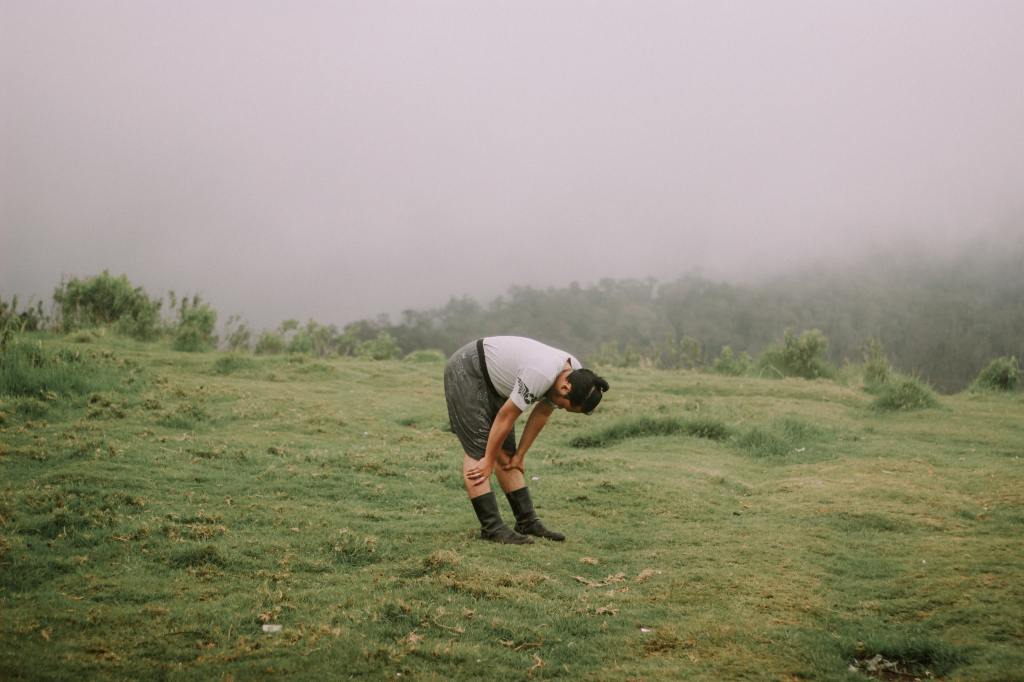
Photo credit: Falaq Lazuardi

As Jesus enters his final days on earth he goes to the Mount of Olives to pray. In the first verse we read “as was his custom.” Jesus Christ was a person of prayer. Even though he was God in the flesh, as a man he was also human. Perhaps his admonition to his disciples to not fall into temptation was also a reminder to himself. Jesus knows what lies ahead. This is the “cup of suffering” that he prays about. It is a cup that the human Jesus would rather not have to drink at this moment. At its core this is a “if there’s another way, God” kind of prayer. We’ve all prayed this kind of prayer – in many forms, in many situations. Then, from a place of humility and faith and surrender, we’ve prayed as Jesus prays, “Not my will but your will must be done.”

Our Matthew passage for today also comes from Jesus’ final week. It’s a few days earlier – on Monday instead of Thursday. Returning to the city, Jesus is hungry. He sees a fig tree but finds nothing but leaves. This tree is symbolic of Israel’s fruitless faith. With a word from Jesus, the tree dries up. The amazed disciples are told, “If you have faith and don’t doubt” then they will do this and more. They will even be able to move a mountain with their words. Extending the idea of the power of faith without doubt, Jesus adds, “If you have faith, you will receive whatever you pray for.”

If we combine the core teaching of these two lessons from Jesus, we find a key practice of our prayer life: pray in faith, aligned with God’s will. We do not always know God’s will. In these cases, we are to pray as Jesus prayed in the garden, with humility and surrender, “Not my will but your will must be done.”

Prayer: Lord God, as we walk through this life, seeking to be faithful and true to you, strengthen our faith and our trust in you. By your Spirit, lead us to grow in our faith, aligning ourselves more and more with your will and way. And using Christ’s example, guide us to humbly bend our will to your will. Amen.


Leave a comment

God Breathes Life!

Readings: Genesis 2:7-8 and John 20:19-22

John 20:22 – “Then he [Jesus] breathed on them and said, ‘Receive the Holy Spirit.'”

We begin in Genesis 2, when God created man. Gathering up soil, shaping it into a form that resembled God, breathing breath into man’s nostrils, life was created and given. In the creating, man is connected to the earth and to God. Next God creates the garden and sends the man there, to care for and to nurture what comes from the earth.

In our John 20 passage, Jesus has come from the ground – out of the grave after three days to stand amongst the disciples. The human-divine one first offers peace to these men. Jesus then shows them his scars, connecting to their human nature. Joy fills the disciples. Again offering peace, Jesus next tells the disciples that he is sending them into the world. While not the garden in Eden, their task is essentially the same: go and care for and nurture this growing community of faith. Jesus then breathes life into them, saying, “Receive the Holy Spirit.” The disciples receive the divine breath of the Spirit. This gives life and power to their spiritual life, connecting them to God and Jesus.

We too experience both of these births. Created in the image of God like Adam, God breathes physical life into our bodies as we draw our first breath. As we commit our lives to Jesus – to bring sent into the world to love God and neighbor – we receive the gift of the Holy Spirit. This indwelling presence gives life to our faith, empowering us to witness to the world. This day and every day may we draw upon this breath of life.

Prayer: Lord God, thank you for the gifts of life. You plant the spark of the divine in us when you form us in the womb. You bring this to life as you draw us into relationship, into faith in Christ. Embolden us each day to be your light and love in the world. Amen.


Leave a comment

At the Center

Reading: Genesis 2:4b-25

Genesis 2:7 – “The Lord formed the human from the topsoil of the fertile land and blew life’s breath into his nostrils.”

Today we read the second creation story. In this narrative, humanity is the centerpiece of the story. After forming the earth and sky, God formed the human from the topsoil of the fertile land and blew life’s breath into his nostrils.” There is an intimacy to this act. It is not God speaking humanity into being, but God, much like a potter, shaping and forming the human body. God’s very “hands” were at work. Once the physical form is complete, God breathes life into the form. The very “breath” of God gives life to humanity.

God’s next act is to plant a garden, to create a place for this man to live. God provided trees with fruit and a river to irrigate this garden that man was to farm and care for. So that man was not alone, God next forms animals and birds. The man (not the creator) names these creatures. But there is not a “perfect helper” found for the man. So God provides this too. From the rib of the man God fashions a woman. These two beings form a team, a couple.

In this creation story all is done for humanity’s benefit, for their good, to meet their needs. Here we see God’s love for us, for all created in God’s image. God’s expectations of humanity? To love God in return and to care for this creation. As the story continues tomorrow, we see what a challenge this can be.

Prayer: Lord God, thank you for today’s insight into the “why” of creation. You did all this to provide an ideal place for us to live. I feel a deep gratitude for your love and care for humanity that is at the center of your creation process. I am humbled to be your greatest love, along with my brothers and sisters in faith. Lord, help us to love you and your creation in the same way. Amen.


Leave a comment

The Pioneer

Reading: Hebrews 1-3

Hebrews 2:10 – “It was appropriate for God… to use the experience of suffering to make perfect the pioneer of salvation.”

Hebrews begins by declaring that God first spoke through the prophets (the Old Testament) and then spoke through a Son (the New Testament Gospels.) Jesus is “the imprint of God’s being.” The Son then died to cleanse people from their sins, returning to glory to sit at God’s right hand. It is a powerful opening statement.

The author then exhorts the audience to pay attention to the good news they’ve heard lest they “drift away.” He or she asks, “How will we escape [hell] if we ignore such a great salvation?” Great question. This gift of salvation was announced by Jesus and confirmed by the disciples and apostles. God offered validity through “signs, amazing things, various miracles, and gifts from the Holy Spirit.”

Hebrews then turns to who and what Jesus was and is. First, he tasted death so that we can taste grace. Jesus also lived as a human. In 2:10 we read, “It was appropriate for God… to use the experience of suffering to make perfect the pioneer of salvation.” Christ mediates for us based on experiencing what we experience. Jesus walked our road, experiencing suffering, when tempted. Through it all, Jesus was faithful to God. Because of his example and sacrifice, we can have hope and confidence. We can encourage one another every day so that one day we can “enter his rest.” May it be so.

Prayer: Lord God, thank you for sending your Son, he who walked this earth as one of us. In those 30+ years he experienced what it is like to be human – the suffering, the temptation, the pain. Yet in living he also revealed your love and the joy, hope, peace, contentment, and forgiveness found in that love. Help us today to walk in step with the Spirit, sharing that love, bringing you all the glory. Amen.


Leave a comment

Hope in Christ

Reading: Romans 1:1-3:20

Romans 3:9 – “We have already stated the charge: both Jews and Greeks are all under the power of sin.”

In his introduction Paul describes himself as “set apart” to be an apostle “for the good news.” He has received God’s grace and his appointment through Jesus Christ, the Son identified through his resurrection from the dead.

Paul begins with thanksgiving for the faith evident in the church in Rome. He has prayed for the church and for a visit to this church. Paul sees a visit as mutually encouraging. Paul is ready to “preach the gospel” in Rome. To Paul it is “God’s own power for salvation” for all who believe. The gospel has the power to save one from God’s wrath, which comes because of “ungodly behavior and injustice.” The challenge in avoiding God’s wrath comes because sin is in our human nature. We are also prone to “trade God’s truth for a lie.” We can be tempted and can allow greed, jealousy, lust, gossip, pride, and many other sins to separate us from God. We can easily fall into the judgment trap that Paul describes in the opening to chapter 2.

Paul addresses the Law in chapter 2. It is not those who have the Law that are righteous, but those who do and practice the Law that are righteous. Through Christ the Gentiles have the Law “written on their hearts.” It is those who are “circumcised in spirit” that do good and are pleasing to God.

Our reading today closes with the universal problem of sin. Paul states that both Jews and Greeks are “all under the power of sin.” Blending together four Psalms and a passage from Isaiah, Paul comes to this conclusion regarding non-believers: “There is no fear of God in their view of the world.” Although this sounds hopeless, in Christ there is home. Establishing the need as Romans begins, Paul next lays out the solution.

Prayer: Lord God, we are indeed sinful by nature. Daily we struggle with pride and greed, with jealousy and judging. Only you can save. So we ask you, O Lord, to guide us in your ways. Save us. Amen.


Leave a comment

Born from Above

Reading: John 2:13-3:36

John 3:5 – “I assure you, unless someone is born of water and the Spirit, it’s not possible to enter God’s kingdom.”

As chapter 2 winds down, Jesus goes to Jerusalem. He goes to the temple. It is just before Passover, so the temple would be busy, abuzz with activity. Stepping into this scene, Jesus makes a whip and drives out those selling animals and those converting Roman coins to temple coins. The religious leaders question Jesus’ authority and he responds with “Destroy this temple and in three days I’ll raise it up.” The religious leaders are deeply confused but the disciples will remember these words after Jesus was raised – and they believed.

As Jesus does “miraculous signs” many come to believe. But this is a superficial faith. This is the human nature that Jesus does not fully trust himself to. In chapter 3 Jesus encounters someone wrestling with his faith. Nicodemus comes at night and recognizes that Jesus is from God – because of the miracles. Jesus cuts to the chase, telling Nicodemus that he must be born anew. Clarifying, Jesus says, “I assure you, unless someone is born of water and the Spirit, it’s not possible to enter God’s kingdom.” All people are born of the flesh. To see, to receive, to believe, one must be born of the Holy Spirit too.

Continuing and deepening the conversation, Jesus tells Nicodemus that the Human One (Jesus) must be lifted up just as Moses lifted the snake to bring healing and life to the Israelites. The life Jesus will offer, however, is eternal life. And contrary to popular belief, the Messiah did not come to judge but to save. Judgment will fall on those who fear and reject Jesus’ light.

Our reading closes with Jesus baptizing in Judea. John recognizes this as the sign that he must decrease so that Jesus can increase. The one from above is at work. He speaks God’s truth and gives the Spirit generously. By the end of the Gospel, Nicodemus will receive and believe. Thanks be to God.

Prayer: Lord God, you are indeed generous with your love and grace, with your mercy, and with your Spirit. Through receiving and believing we find the way to eternal life and to life abundant now. Use us today to share these blessings with others so that they too may receive and believe. Amen.