pastorjohnb

Thoughts and musings on faith and our mighty God!


Leave a comment

Praise God!

Readings: Psalms 145-150

‭Psalm 145:8 – “The LORD is merciful and compassionate, very patient, and full of faithful love.”

We close our time in the Psalms with Psalm 145 and then the “Hallelujah” Psalms, 146-150. These five begin and end with “Praise the Lord” – our translation of the original Hebrew: “hallelu” and “yah.”

Psalm 145 calls for us to praise the Lord, from one generation to the next. This praise is “proclaiming your mighty acts.” Doing so leads the worshippers to “rave in celebration.” That’s a phrase we don’t find often in the Bible! In verse 8 the psalmist writes, “The LORD is merciful and compassionate, very patient, and full of faithful love.” Because of these traits, the psalmist can also write, “The Lord is close to everyone who calls on him.” True and true!

Psalms 146-150 celebrate God’s mighty acts, each with their own focus. Psalm 146 celebrates the God who brings justice to the oppressed and who frees the prisoners, the God who protects the immigrants and who straightens the bent. Psalm 147 celebrates this compassionate heart of God and then adds thanks for God’s generous hand in nature. Psalm 148 calls all of creation to praise God – sun, moon, and stars, hills and trees, all creatures, including “kings of the earth and every single person.” Psalm 149 calls for praise and expresses the belief that the execution of justice will bring honor to God and God’s people. Lastly, Psalm 150 closes with a snapshot of worship. Any and all instruments will be used to praise God. May that include our voices!

Prayer: Lord God, yes, we are called to praise you, to lift your name on high. Lead us to join all of creation in worshipping your holy name. Open our hearts to pour forth praise from our lips. All glory and honor and praise to you, O God! Amen.

Leave a comment

Songs of Ascent, Part I

Readings: Psalms 120-127

‭Psalm 122:1 – “I rejoiced with those who said to me, ‘Let’s go to the LORD’s house!'”

Psalms 120-134 are collectively known as the “Songs of Ascent.” Each carries the superscription, “A pilgrimage song.” These songs were likely sung by pilgrims on their way up to Jerusalem to participate in one of the three yearly festivals. I wonder which of these Jesus and his followers sang as he rode into the city just before the Passover.

Psalms 120 and 121 are like a call and response. In Psalm 120 the psalmist has been away too long and needs rescue from “lying lips” and those who “hate peace.” Psalm 121 answers with the invite to look to the mountains, to Jerusalem. There you will find your “protector,” the one who “never sleeps or rests.”

Psalms 122 and 123 function in the same way with Psalm 124. Psalm 122 begins with joy over being invited to go up to God’s house, to the city “joined together in unity.” The psalmist turns to God, asking for peace and rest for Jerusalem. Psalm 123 adds a prayer for mercy. They’ll pray attentively until mercy comes. Then Psalm 124 offers encouragement as it recalls God’s rescue and deliverance in the past. The psalmist declares that their help is still in God alone, “the maker of heaven and earth.”

Psalm 125 continues the theme of trusting in God, who, like Mount Zion, is “never shaken.” The psalmist closes this song with a request of God: do good to the good and banish those evildoers. Psalm 126 is similar in structure – remembering when God rescued them, then asking God to rescue them again. Psalm 127 is a bit like Ecclesiastes. Human effort is “pointless.” But children – and lots of them – are a gift from God!

These songs of ascent, like much of the rest of the Psalms, cover a range of emotions and situations. May we use these prayers too as we find ourselves experiencing joy or sorrow, blessing or suffering, belonging or isolation.

Prayer: Lord God, as some of these Psalms or words within call out to us, write them on the tablets of our hearts. Then, by the power of your Holy Spirit, call them to our minds at just the right time. Thank you, Lord. Amen.


Leave a comment

The Royal Family

Readings: Esther 1Esther 2, Esther 3, Esther 4

Esther 4:14: “Maybe it was for a moment like this that you came to be part of the royal family.”

Today we begin the book of Esther. It is set in the city of Susa – the city where Nehemiah served King Artaxerxes. Esther’s story unfolds under the next king, Ahasuerus (or Xerxes I.) He was the 4th king that reigned in Persia during the 120 years that it took to rebuild the temple and the wall around Jerusalem. Almost all of the Israelites sent into exile are still living in the provinces of Persia.

Right away we learn that Ahasuerus likes to show off his wealth and power. After a seven day party he wants to show off his beautiful queen. Vashti refuses to be paraded around. This opens the door for a new queen. Esther is one of hundreds yet is chosen as the next queen. Throughout the story, Esther finds favor with others. Mordecai, a Jew who works at the King’s Gate, was like a father to Esther. About that time, he overhears a plot to kill the king. He reports it through Esther and the event is noted in the royal record.

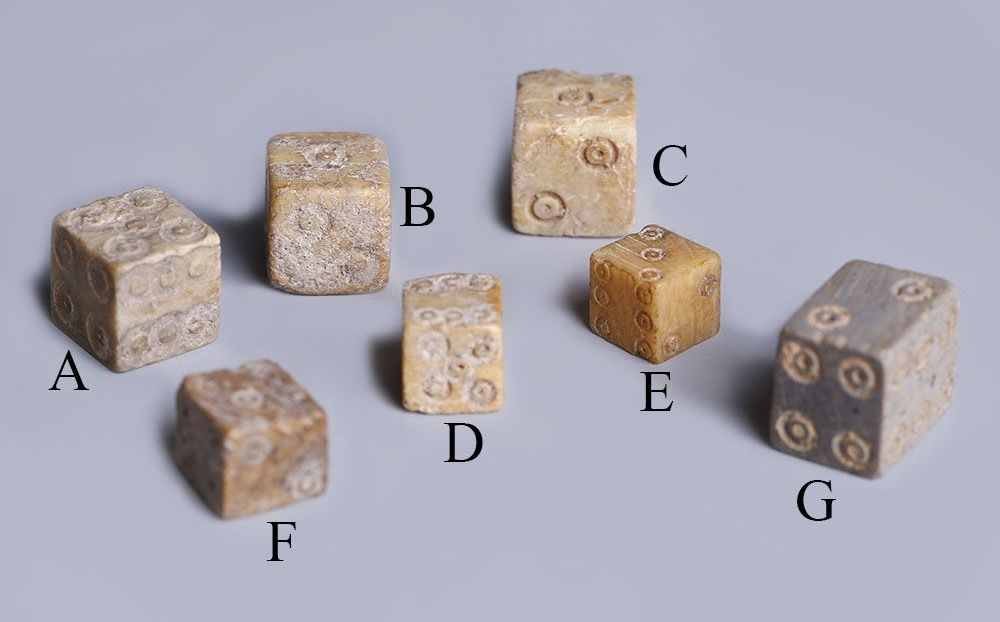
Meanwhile, back in the palace, Haman is made the #1 official, the king’s right hand man. All people are supposed to bow down to Haman. Mordecai, a devout Jew, will only bow down to God. A very angry Haman gets the king to write a decree calling for all Jews to be killed on the 13th day of the 12th month. This date was chosen by casting dice (or purim) and it falls the day before the Jews would celebrate the Passover, their greatest day of deliverance.

Mordecai hears of the decree and he fasts and mourns. Esther hears of this and, through a back and forth through Hathach, she finds the courage to go to the king on behalf of her people. She finds courage in these words from Mordecai: “Maybe it was for a moment like this that you came to be part of the royal family.” We too are a part of a royal family – God’s. When might we be called upon to risk for our faith? And in that moment of truth and testing, how will we respond?

Prayer: Lord God, your hand is ever guiding and leading. Most of our days are routine. But sometimes we come to where Esther is: a single moment when we are put to the test. We must decide: do we trust you? Lord, in these moments, speak into our hearts, reminding us of your sure presence and of our assured place in your family. Amen.


Leave a comment

Faithful to the Call

Readings: Nehemiah 11, Nehemiah 12, Nehemiah 13

Nehemiah 13:22 – “Remember this also in my favor, my God, and spare me according to the greatness of your mercy.”

Photo credit: Patrick Schneider

Chapter 11 begins with repopulating Jerusalem. Lots are cast in each town and 1 in 10 move into Jerusalem. Almost 3,000 move into David’s city. Chapter 12 begins with a list of the leaders of the priests and Levites who returned under Zerubbabel. Then all of Israel gathers to dedicate the wall. Priests, singers, and people from all over gather for the celebration. All are purified – including the people and the wall. Two groups March around the city in each direction, joining together at the temple. There were great sacrifices and joyous worship that day!

In chapter 13 Nehemiah returns to King Artaxerxes for a period. Eventually he returns to Jerusalem. He finds several things that need correcting. Old habits have returned. People are intermarrying again. Some of the children cannot speak the language of Judah – and therefore cannot participate in worship. This divisive practice is ended once again. The shares for the priests are being neglected, forcing some back to their fields. This too is corrected. People are working and buying and selling on the Sabbath. For many the day is no longer holy. Nehemiah puts a forceful stop to this too.

Several times today we read something along the lines of our key verse. Nehemiah is not universally beloved. Leading a people who are prone to sin and are easily influenced by the ways of those around them is hard. Many chafe at correction, rebuke, and being made to follow the rules. Yet Nehemiah was faithful to the call that God has placed upon his life. May it be so for us all.

Prayer: Lord God, help us to be a people who remember your will and way. Lead us to resist temptations and empower us to stay true to you alone. Move us to respect and support those who seek to lead us to walk in faith, lifting them to you in prayer. Amen.


Leave a comment

Confident and Trusting

Readings: Nehemiah 1, Nehemiah 2, Nehemiah 3, Nehemiah 4

Nehemiah 4:14 – “Don’t be afraid of them! Remember that the LORD is great and awesome! Fight for your families… sons… daughters… wives… houses!”

Nehemiah is the cupbearer to King Artaxerxes. He lives a comfortable life in the palace of the Persian king. One day some Jews returning from Jerusalem bring him news from Judah: “The captives are in great trouble and shame.” Moved by his God, Nehemiah fasts, weeps, and prays for days. Returning to work, he is still visibly upset. The king notices and inquires. In the end, Nehemiah heads to Jerusalem with letters of protection and support from the king.

The local officials are unhappy that he has arrived to rebuild Jerusalem. After rest, he secretly inspects the walls and gates at night. Gathering the Jewish leaders he basically says, ‘We’re in trouble.’ He calls them to rebuild and they respond enthusiastically. Chapter 3 contains a long list of the families that took part. The team effort and sense of connection is evident. It is based upon their identity found in God.

Sanballat and Tobiah and others oppose the work. Making fun of them turns to insulting them and then it becomes a plan to attack the Jews. News of this comes to Nehemiah and he responds by organizing the workers into family groups. He gives them this encouragement: “Don’t be afraid of them! Remember that the LORD is great and awesome! Fight for your families… sons… daughters… wives… houses!” Half the men work while half stand guard, weapons in hand. The people stay in Jerusalem overnight instead of going back home, thwarting an attack at night. Work continues to progress.

Nehemiah leads well, trusting in the God who stirred his heart to go to rebuild his ancestral home. When God or the Spirit or the Word stirs our heart, may we be as confident and trusting in the Lord.

Prayer: Lord God, what a sure faith Nehemiah had. He heard and responded and was then guided by you. Give us ears to hear, O Lord. Open our hearts to respond. Encourage our faith as we seek to serve you. Bless the work. Amen.


Leave a comment

He Is the Lord

Readings: 1st Samuel 1, 1st Samuel 2, 1st Samuel 3

1st Samuel 3:18 – “He is the LORD. He will do as he pleases.”

Photo credit: Nathan Lemon

As we turn to 1st Samuel we see that much of the feeling of Judges carries over. Israel is still a place of suffering, pain, and sin. God feels silent. Our reading opens with the birth story of Samuel. Elkanah has two wives. Hannah is barren and Peninnah, the secondary wife, has many children. There is great tension. On one of the yearly pilgrimages, Hannah pours out her heart to God. She is so distraught, Eli the priest assumes she is drunk. But after hearing her heart, Eli blesses her. God does too. After he is weaned, Hannah brings an offering and gives Samuel to the Lord. They worship and Hannah lifts a song to God.

We then learn that Eli’s son’s are “despicable.” They steal from the Lord’s sacrifices (by force if necessary) and they have sex with the women serving at the meeting tent’s entrance. Eli confronts them but they don’t change. God has a change already in the works. Samuel continues to grow up, becoming “more and more liked by God and by the people.” Then a “man of God” visits Eli, telling him of the utter downfall of his house. His sons will die and God will establish a “trustworthy priest.” Eli seems to simply accept this.

In chapter 3 we read about Samuel’s call. God’s word and visions were rare at that time. God was mostly silent. While lying down in the temple, God calls out to Samuel. He thinks it is Eli calling. After the third time, Eli realizes that it is God calling Samuel. He responds as instructed: “Speak Lord. Your servant is listening.” God reveals the downfall of Eli’s house. Samuel does not want to share this news, but does, showing his metal as a prophet. Eli knows what is happening. His response to this news: “He is the LORD. He will do as he pleases.” Eli knows his own failures. He knows the depravity of his sons. And he knows the truth that the chapter closes with: “All Israel… knew that Samuel was trustworthy.”

Prayer: Lord God, we continue today with the good and the bad: Hannah and Peninnah, Samuel and Eli’s sons. Your presence is revealed in the good. There we find faithfulness and obedience to you. Guide us to walk in your ways too. There we will experience your presence and your goodness. Amen.


Leave a comment

Holy Living

Readings: Leviticus 19, Leviticus 20, Leviticus 21, Leviticus 22, Leviticus 23

Leviticus 20:26 – “You must be holy to me, because I the LORD am holy, and I have separated you from all other peoples to be my own.”

Photo credit: Shane Rounce

Today’s readings are all about living as a holy people. Each of these laws or instructions rest upon the same foundation: God is holy so God’s people need to be holy. This foundation is the ethical, moral, and spiritual standard for living in community with God and with God’s people.

Although chapter 19 can feel like a hodge podge of topics – don’t lie, don’t turn to idols, leave some crops for the needy, no cross breeding, no cuttings or tattoos – taken as a whole, they can be summed up in verse 18: “You must love your neighbor as yourself.” This is half of the shemah, the daily Jewish prayer. We’ll add the other half as we read in Deuteronomy.

The practice of worshipping Molech begins chapter 20. The practice of this Canaanite religion is strictly prohibited. This is followed by sexual prohibitions. In this chapter the practice of idolatry is equated with prostitution and adultery. The root need for these prohibitions is summed up in verse 23: “You must not follow the practices of the nations that I am throwing out.” Instead, for the Israelites, “You must be holy to me, because I the LORD am holy, and I have separated you from all other peoples to be my own.” God is holy so God’s people need to be holy.

Chapters 21 and 22 deal with special laws for the priests. The call to holy living is elevated when applied to the priests. They are set apart from the people set apart. The priests are to be living examples of God’s holiness. This is why priests with imperfections are limited in their service.

Our reading for today closes in chapter 23 with instructions for the holy or sacred times. Note that this section begins with a reminder to keep the Sabbath. This weekly observance is essential to holy living. The yearly events remember and celebrate significant events with God. The Passover and connected Festival of Unleavened Bread celebrate the exodus. The Festival of Weeks begins with thanks for the first fruits and concludes by thanking God for the harvest. The Festival of Booths remembers their time in the wilderness, where God provided again and again. The Day of Reconciliation is also included. This celebrates God’s mercy and grace and forgiveness.

Each day and each festival reminds the people of God’s love and care. They remind the people of God’s holiness and of their call to reflect this holiness. To remember and to celebrate reinforces their faith and their commitment to God. May we too remember and celebrate the ways that our holy God has touched our lives, calling us to be holy as God is holy.

Prayer: Lord God, flowing through these chapters we see again and again the call to holy living and to live as a people set apart from the ways of the world. Strengthen our understanding of these calls and empower us to live holy and faithful lives as people in but not of the world. Amen.


Leave a comment

Obedience and Faith

Readings: Exodus 1, Exodus 2, Exodus 3, and Exodus 4

Genesis 2:24-25 – “God heard their cry… God remembered his covenant… God looked at the Israelites, and God understood.”

Today we begin the story of the Exodus! It is the story of God’s deliverance from oppression and it is the story of the formation of God’s people. The story begins with the fulfillment of part of the covenant – Abraham’s descendants become numerous. Seventy quickly grows to be thousands upon thousands. Pharaoh fears them then enslaves the Hebrews. Growth continues. Faith is demonstrated by Shiphrah and Puah, thwarting plan A. Plan B is to drown all Hebrew baby boys in the Nile River. Moses is born and goes into the Nile – in a tarred basket. Providence has him rescued by Pharaoh’s daughter. He grows up largely as an Egyptian.

Turning to adulthood, Moses defends a slave, killing an Egyptian. Moses then flees to Midian where his rescue of some shepherdesses connects him to Jethro and family. Moses marries, settles down. The Israelites cry out. At the end of chapter 2 we read, “God heard their cry… God remembered his covenant… God looked at the Israelites, and God understood.”

Out tending the flock on Mount Horeb/Sinai, Moses is drawn to a burning bush. It is holy ground – God is present. God asks Moses to rescue the Hebrews. Moses has lots of excuses. Sound familiar?! The excuses: Who am I? Who are you? How will they know you sent me? But I can’t talk well! Can’t you just send someone else?! Only the last one angers God. Yet God relents and sends a long Aaron to help. Pharaoh’s stubbornness is foreshadowed, as is the final plague.

Obediently, Moses goes. Yet obedience must be complete. On the way, God appears and tries to kill “him.” Is Moses or his son Gershom? Either way this is about circumcision – the symbolic act that identities the Israelites as God’s people. Zipporah reads the scene correctly and she acts quickly. The chapter closes with Moses and Aaron’s initial meeting with the Hebrew elders. They believe and then they worship the Lord their God.

Prayer: Lord God, oh how we are like Moses! Raised in two worlds – yours and this place we call home. We too can be confused about who and whose we are. And when you come to us, we can make excuses with the best of them. Yet, in love you lead and guide us. You desire relationship. You are not a tyrant. You invite us to be co-creators with you, loving and caring for your intended world. Thank you for the invitation. May we respond with both obedience and faith. Amen.


1 Comment

The Gift We Live For

Reading: Titus 2:11-14

Verse 11: “For the grace of God has appeared, bringing salvation for all people.”

We begin this week in Paul’s letter to Titus. It is a short letter of instruction and encouragement. Titus was a co-worker of Paul’s who was left on Crete to work with the newly forming church. Today’s passage comes from the section titled “What Must Be Taught to Various Groups.” Our small portion of this section comes as something to teach to all people and groups.

In verse 11 Paul writes, “For the grace of God has appeared, bringing salvation for all people.” The starting place of this passage is in the past. Jesus Christ has come, bringing grace that leads to salvation to all people. This is what we will celebrate in six days – the coming of Immanuel, God with us! In the next verse Paul shifts to the present, to what the gift means now. Paul encourages Titus to teach the believers to live Christ-like lives. Say “no” to the things of this world, living upright, godly, self-controlled lives now. The next verse looks to the future – “while we wait for the blessed hope” – waiting for the return of Jesus Christ.

These words fit so well in the Advent season and in the week in which we turn to Mary and then to Christmas Eve. Mary was a humble servant who obediently received God’s call. She bore the gift that Paul lives for and encourages Titus and all the believers in Crete to live for. May this too be the gift that we live for – Jesus Christ, who was and is and always will be.

Prayer: Lord God, thank you for coming to us, revealing the depth of your love and grace for all people. We rejoice in the salvation that you bring to all who call on the name of Jesus Christ as Lord and Savior. Guide us to turn that rejoicing into living each day so that others can receive the gift of your son. Amen.


Leave a comment

Witness to the Light

Reading: John 1:6-8

Verse 7: “He came as a witness, to bear witness about the light, that all might believe through him.”

The first half of this week’s gospel lesson focuses on John the Baptist’s ministry. We’ve been walking with John the Baptist these past two weeks. These readings have been primarily about the bigger picture and implications of his ministry. Today’s passage feels more personal and more relatable to our lives and ministry. Proclaiming a baptism of repentance for the forgiveness of sins out in the Judean wilderness feels like a lot for me and my life. Maybe the same is true for you.

We first read today that John was sent by God. This average person was called to fill a role, to play a part in God’s plan. While from the big picture perspective John’s ministry was amazing and powerful, in verse 7 we read, “He came as a witness, to bear witness about the light, that all might believe through him.” To witness to the light so that others can come to know Jesus, to believe in him – this sounds and feels like a role that we could all live out.

John the Baptist was not the light. That is Jesus. John wasn’t pointing to himself. He was pointing to Jesus. John always kept the focus on Jesus and on helping others to be ready to receive Jesus. This feels like something that we can do day in and day out. Also being sent by God may you and I witness to the light of the world through the words we speak and through the actions of our hands and feet.

Prayer: Lord God, in this version and in this way, it feels possible to live out our faith in ways that point others to Jesus. Empower us to be witnesses to the light of Christ so that those living outside of a relationship with Jesus may be drawn towards him. Amen.