pastorjohnb

Thoughts and musings on faith and our mighty God!


Leave a comment

A Good Plan

Reading: Haggai 1-2

Haggai 2:4 – “Be strong, all you people of the land… Work, for I am with you.”

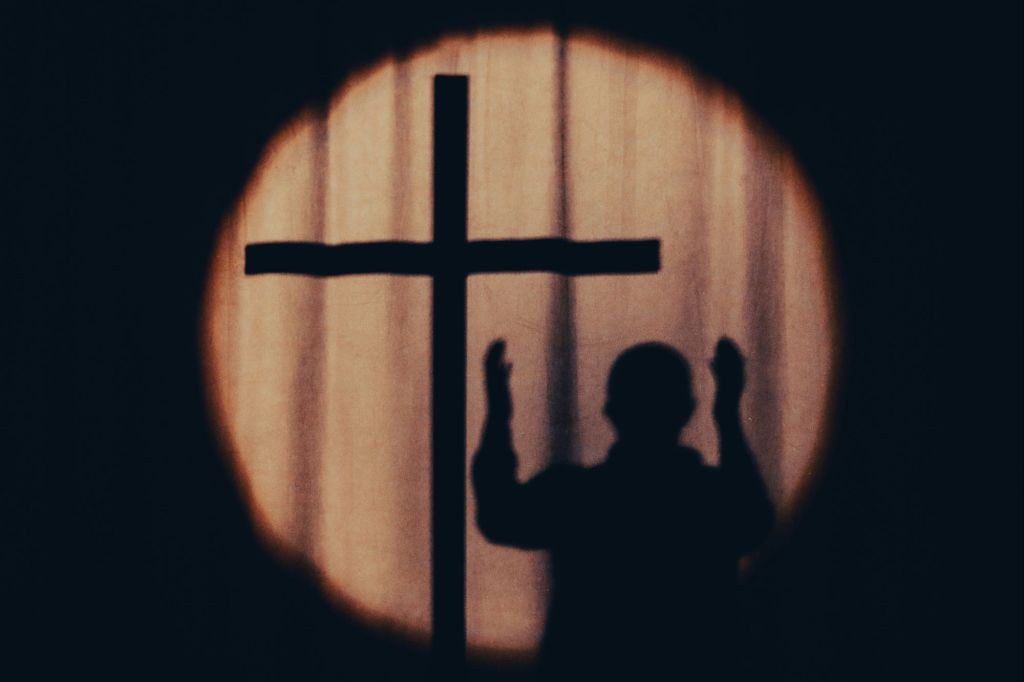
Photo credit: Robert Linder

As we read Haggai’s words today we move past exile and back to Jerusalem. The small remnant that returned has built homes for themselves. But the temple still lies in ruins. Haggai is sent by God to encourage the people in this next step. At the start of the book, we read that Zerubbabel, Joshua, and the people do not think it’s time to start rebuilding the temple. God questions this. God says there is a reason they sow much and eat little. The drought and the lack of abundance are God’s doing. God’s house lies in ruins. The people hear Haggai’s words and they respond in faith, getting to work.

A month passes and God’s word comes to Haggai. He asks if anyone remembers the first temple. From Ezra 3 we recall that some did remember. They wept when they recalled the former temple’s glory. Haggai encourages them to be strong, to trust that God is with them, saying, “Be strong, all you people of the land… Work, for I am with you.” God then promises to shake the earth, leading nations to bring their wealth to the temple, making it more glorious than the first temple.

Fourteen months in, God’s word comes again. In the first message, Haggai asks questions about being clean and unclean. The priests know the right answers. The faith knowledge is there. God declares that the nation is unclean. The priests and the people have work to do. When God struck them before – providing just enough to survive – they didn’t return to God. But now the people have worked hard and the foundation is complete. God will now begin to bless them.

Haggai’s second word focuses on Zerubbabel directly and on Israel indirectly. God will take down the other nations, securing Israel. On that day, God will appoint Zerubbabel to reign. Once again, one from David’s line will rule over Israel. God has a plan and it is good. Thanks be to God.

Prayer: Lord God, just as you encouraged your people to work on your house, you continue to encourage us to work on building your kingdom here on earth. Just as their obedience was a sign of their holiness and commitment, may our humble acts of service bear witness to our faith and to our love for you and for our neighbors. Use us to reveal your glory to the world. Amen.


Leave a comment

All Things New

Reading: Amos 5-9

Amos 5:24 – “But let justice roll down like waters, and righteousness like an ever-flowing stream.”

Concluding the book of Amos we read words of lament and doom mixed in with words of hope and restoration. Ultimately, Amos closes with words of promise and blessing for God’s people. We too walk through this mix in our lives, holding onto God’s promises that will one day eternally be ours. Thanks be to God.

Amos 5 begins with a song of lament for the great losses soon to come and then encourages people to seek the Lord. The prophet then condemns those who are crushing the weak, taking bribes, and refusing to help the poor. Amos presents the correct choice: seek good and not evil. But the leaders choose evil. Therefore God rejects their worship and sacrifices. They are meaningless. God then presents the correct choice, saying, “But let justice roll down like waters, and righteousness like an ever-flowing stream.”

Chapters 6 and 7 contain warnings and visions from Amos. Those “resting comfortably” while drinking “bowls of wine” – they will be the first to go into exile. God promises to “shatter the great house [Israel] into bits… and pieces.” God’s people do not measure up to God’s plumb line. All will be laid to waste. These words lead to a confrontation with Amaziah the priest. He tells Amos to go home to Judah, to prophesy there. In response, Amos declares that it is Amaziah who will be going away, into exile, losing family and land as well.

Judgment continues in chapter 8 and the first half of chapter 9. God judges Israel’s immoral business practices, their greed, and their dishonesty. Feasts will become sad affairs. But the days are coming when there will be a thirst for hearing God’s word. There will be a day when broken places are rebuilt, when blessings flow, when God’s people will be planted upon their land. God will make all things new. Thanks be to God.

Prayer: Lord God, your justice and righteousness will prevail. They will indeed flow like water in a never-ending stream. You will remove all evil and establish your new kingdom here on earth. Worship will be pure and true. All will focus on your love, flowing from your heart into our hearts. What a day that will be! In between them and now, Lord, guide us to be justice, righteousness, and love here and now, as we seek to bring your kingdom to this earth. Amen.


Leave a comment

May Blessings Flow

Reading: Ezekiel 53-48

Ezekiel 47:9 – “Wherever the river flows, every living thing that moves will thrive.”

Photo credit: Kazuend

The majority of today’s reading focuses on God’s presence re-entering the new temple and on the ordering of all aspects of worship and temple life. God’s glory fills the temple, leading Ezekiel to fall in worship. God then instructs him to listen carefully and to write down these new instructions. The central focus is on holy versus unholy or clean versus unclean. Building and purifying the altar, proper worship on the Sabbath and during the two festivals (used to be three), honoring the east gate, setting aside sacred spaces, regular offerings – all were aimed at maintaining the holy. To keep and hold these spiritual practices in the highest ways would work against a return to the “detestable practices” of old, to the unholy.

In chapter 47 there is a river that flows from the temple, out the east gate – the gate that God’s holiness entered through. The trickle grows to a vast river that brings life and abundance to the people of God. As God’s presence is brought out into the world, blessings flow with it. This remains true today.

Ezekiel closes by defining Israel’s borders and by allotting land to the tribes. These boundaries connect back to what God originally laid out for Moses back in Numbers 35. Land is allotted, beginning in the north, to Dan, Asher, Naphtali, Manasseh, Ephraim, Reuben, and Judah. Next comes the Holy portion, with the temple at its center. The city and Prince are allotted land here in this central section. Moving to the south, land is allotted to Benjamin, Simeon, Issachar, Zebulun, and Gad. Benjamin and Judah remain central, just flipped from their pre-exile locations. Similarly, the tribes furthest out are the children of the maidservants. Each tribe received an equal portion of the land. This time the Levites are included. The twelve city gates are named after the original sons of Jacob. Joseph’s sons are combined to make space for Levi. God’s new kingdom envisioned here will one day be established here on earth. We await the day!

Prayer: Lord God, what a vision for what will be at the end of this present age. You will be the center, the focus, the life source. Yes, we do await the day. Yet, as we wait, Lord God, use us to draw this world closer to this vision. Use us as the life-giving river that flows out into the world, bringing blessings and abundance into people’s lives. Amen.


Leave a comment

Rule with Justice and Righteousness

Reading: Isaiah 13-16

‭Isaiah 14:1 – “The LORD will have compassion on Jacob, will again choose Israel, and will give them rest in their own land.”

Our readings for today and tomorrow contain mostly oracles against the nations surrounding or occupying Judah/Israel. We do find hope sprinkled in these verses too. For example, tucked in the middle of the oracle against Babylon and her king, we find: “The LORD will have compassion on Jacob, will again choose Israel, and will give them rest in their own land.”

Chapters 13-14 detail the fall of Babylon. Isaiah makes it clear that God is “mustering an army for battle.” God will raise up the Medes to make Babylon like “Sodom and Gomorrah.” A restored Israel will then taunt the broken king of Babylon. The underworld will wait restlessly for this king. His final rest will be on “a bed of maggots” under a “blanket of worms.” His arrogance and pride will be laid low. God will also cut off all of his offspring too.

Before an oracle against Philistia, we read, “I will break Assyria in my land… and remove its yoke from my people.” The Philistines are not so blessed. They rebelled against Assyria, yes, but a new viper will come from the north.

Chapters 15-16 hold an oracle against Moab. They will be devastated and humiliated. In verse 2 we read, “Every head is shaved, every beard cut off.” The waters will be full of blood. In three years Moab’s remnant will be “few and feeble.” Amidst this sadness and loss we also find hope, mercy, compassion. Isaiah’s heart “cries out for Moab.” God invites Judah to “consider carefully, act justly.” Judah is told to hide the outcasts and fugitives. Isaiah also speaks of the time when the oppressor is gone, of a time when one will rule with justice and righteousness from the throne of David. This too is our ultimate hope. Thanks be to God.

Prayer: Lord God, you continue to oppose leaders and nations that bring evil and oppression upon this world. You oppose us when we do the same. Instead, Lord, use us to create the kingdom of justice and righteousness that Isaiah spoke of today. Then you will be with us, walking amongst us in Spirit and power. Amen.


Leave a comment

I’m here… Send me.

Reading: Isaiah 5-7

‭Isaiah 6:8 – “’Whom should I send, and who will go for us?’”… “‘I’m here; send me.'”

Isaiah 5 begins with God’s lament over Israel and Judah. They were planted as a vineyard in a land flowing with milk and honey. God cleared the nations before them, built a kingdom, ordered their living. But they turned rotten, choosing idols and other evils over God. So God removed the hedge of protection and allowed the vineyard to be trampled. God expected justice and righteousness but got bloodshed and distress.

Blame and judgment are given to the greedy, to the gluttons, to the cheaters, to the prideful, and to the oppressors. God extended a hand against them, a warning sign, but their evil persisted. So God called a nation from far away – “hurrying, swiftly they come!” Arrows sharpened, swords drawn, roaring like a lion, darkness comes.

Chapter 6 shifts everything as Isaiah finds himself in heaven. God is high and exalted. Winged creatures sing of God’s glory and holiness. Isaiah suddenly realizes that he is a sinner in God’s presence. A winged creature touches his unclean lips with a coal from the altar, purifying him. God asks aloud, “Whom should I send, and who will go for us?” Isaiah responds, “I’m here; send me.” But God says to him, they won’t hear, they won’t see. Isaiah asks, “How long?” Sadly, until all lies in ruin and the people are in exile in a foreign land.

We find the beginning of this story in chapter 7. Aram and Israel unite against the approaching Assyrians. Judah refuses to join them, so they attack Jerusalem. This fails. God tells King Ahaz not to fear. They’re just “smoking torches” who will soon fall – before son born “Immanuel” learns to tell good from evil. Israel will fall and Judah will have a scary and powerful new neighbor.

Prayer: Lord God, how easily we see ourselves in these chapters. You have good plans for us and you make a way but we often fall off the path. We choose evil over good. We fall into sin yet you call us again and again to step into your grace, to be restored and made new again. You invite us into mission and service. Sometimes we do go willingly but often times we are fearful or selfish. You promise to be with us and to go with us. Help us to more regularly declare, “I’m here; send me.” Amen.


Leave a comment

The Fruit of a Long Walk

‭Psalm 69:13 – “God, in your great and faithful love, answer me with your certain salvation!”

We begin today with Psalm 69, a prayer for the persecuted. The psalmist has been hard-pressed for a long time. His or her enemies are “countless.” The psalmist’s passion for God has created this conflict with these enemies. This same faith leads to this prayer: “God, in your great and faithful love, answer me with your certain salvation!” In our times of need of rescue, this is a great prayer to pray. The psalmist also prays for the enemies downfall. This was not uncommon then, and if we’re honest, isn’t uncommon now. In the Old Testament, though, God was often violent against Israel’s enemies. To pray for that was very much in line with their understanding and experience with God.

Psalm 70 is also a prayer for deliverance – for immediate deliverance! Hurry, hurry, hurry God! Shame and humiliate my oppressors. Hurry God – I’m poor and needy. Help, deliver me. Psalm 71 continues the cry for deliverance. The perspective has shifted. The psalmist is now old. Time has brought a more steady trust in God. Depending on God “from birth” leads to hope and to the psalmist proclaiming God’s righteous acts. Life has brought the psalmist “many troubles and calamities,” yes, but because of their long relationship with God, the author can confidently state that God “will revive me once more.” This too is the fruit of our long walk with God.

Psalm 72 is a fitting close to the Psalms of David. It even ends with “The prayers of David, Jesse’s son, are ended.” This Psalm seeks God’s blessings on the king and on the poor and needy. This Psalm is a beautiful expression of the fact that God’s love, God’s care, God’s protection, God’s provision, God’s everything, reaches from the highest to the very lowest. May our love, care, protection, provision… do the same.

Prayer: Lord God, great is your love and faithfulness! Your love knows no limits and your faithfulness endures forever. You care for all of creation and you call us to do the same. As we receive your love, care, protection, provision… may we generously and abundantly offer these to one another – all one anothers. Doing so, we will build your kingdom here on earth. Amen.


Leave a comment

Dangers and Trappings

Readings: 1st Kings 9, 1st Kings 10, 1st Kings 11

1st Kings 9:6-7 – “However, if you or your sons turn away from following me… then I will remove Israel from the land… and I will reject the temple.”

Photo credit: Josh Calabrese

Our readings begin with God’s second visit to Solomon. God has heard his prayers and will “put my name” in the temple. God reminds Solomon again of the charge to walk faithfully with the Lord. God also warns, “However, if you or your sons turn away from following me… then I will remove Israel from the land… and I will reject the temple.”

We next gain some insights into Solomon’s building projects. Towns are given to Hiram and he questions their worth. Solomon forces all non-Israelites into work gangs. Yet outside of Israel, Solomon’s fame grows. The Queen of Sheba comes and questions him. She sees his wisdom and wealth. These are so great “it took her breath away.” She leaves many gifts and she offers a blessing. This foreign queen sees God as the driving force behind Solomon’s success. Others come to see Solomon, leaving tribute as they go.

In chapter 11 we begin to see Solomon’s struggles. He marries many, many foreign women. God had warned him: “They will definitely turn your heart towards their gods.” They do. Solomon worships their gods and builds shrines and altars so that his wives (and others) can worship these foreign gods. An angry God visits Solomon. God begins, “Because you have done all this…” Almost all of the kingdom will be torn away. But it will happen during his son’s reign and one tribe will remain with Solomon’s family. Both of these “gifts” are because of God’s love for David.

Next we learn of some of Solomon’s enemies. Hadad and Rezon are nuisances, picking away at the edges. There is no longer peace in Israel. Jeroboam will be the greater challenge. In his youth he had impressed Solomon. The prophet Ahijah meets Jeroboam and tears his new garment into 12 pieces. Handing Jeroboam ten he tells him that God will give him ten tribes to rule over. Ahijah tells him that if he will walk faithfully with the Lord… Well, we know that story.

Prayer: Lord God, today we are reminded of the dangers and trappings of the things of this world – wealth, possessions, fame. In and of themselves these are not evil. They are not a guarantee of sin. But they so easily entangle, so easily give us a false sense of security and identity. Lord, no matter our place in life, remind us again and again, draw us back over and over. Moment by moment, whisper into our hearts and keep us walking in your ways. Amen.


Leave a comment

The One Who Does Right

Readings: 1st Samuel 25, 1st Samuel 26, 1st Samuel 27, 1st Samuel 28

1st Samuel 25:28 – “The LORD will definitely make an enduring dynasty for my master because my master fights the LORD’s battles.”

Chapter 25 brings us the story of Abigail – another female heroine who does what is right in the eyes of the Lord. She is married to Nabal, who harshly and arrogantly refuses to help David and his soldiers. This angers David and leads his to say, “Strap on your swords!” Abigail hears of all this and quickly prepares a gift, heading out to intercept David. She moves his heart away from bloodshed and vengeance with her wise words. She also tells him, “The LORD will definitely make an enduring dynasty for my master because my master fights the LORD’s battles.” He accepts her wisdom and her gifts and sends her home in peace. When Nabal hears the story, his heart fails and he soon dies. Abigail then becomes David’s wife.

Saul then comes again in pursuit of David. God causes a deep sleep to come over Saul’s camp. David and Abishai sneak into camp and steal Saul’s spear and water jug. In the morning, David confronts Abner about what has happened. Saul realizes that David has spared his life a second time: mercy.2.0. Saul blesses David and he returns back home. David settles in the land of the Philistines.

Then the Philistines again come out for war. Saul gathers the troops. He tries to consult God, but God is silent. Through a medium at Endor, Samuel is called up from the grave. Samuel reiterates what he had said before – the kingdom will be torn away. He adds something Saul likely knew – it will be given “to your friend David.” And he adds ominous news – tomorrow Saul and his sons will die at the hands of the Philistines. Saul is “utterly terrified.” We are drawing close to a transition in leadership. The one who does right in the eyes of the Lord is being guided and blessed by God. May it be so with you and with me.

Prayer: Lord God, in the midst of the foolishness, poor decisions, and overly emotional responses you continue to steadfastly guide, using this person here and that person there to accomplish your plans. Continue to lead and guide us, your servants, through the chaos and uncertainty of this world. Amen.


Leave a comment

Filled with Wisdom and Spirit

Readings: Deuteronomy 31, Deuteronomy 32, Deuteronomy 33, Deuteronomy 34

Deuteronomy 31:6 – “Be strong! Be fearless! Don’t be afraid and don’t be scared by your enemies, because the LORD your God is the one who marches with you.”

Today, on the 50th day of our plan to read through the Bible in a year, we close out the book of Deuteronomy. This is the close of the Torah, or the Law. Moses has been the central character and the driving force. We have been walking with Moses since day 16. That’s just over 200 pages in my Bible!

In chapter 31 Moses announces his death. Joshua is commissioned to lead next. The words above, spoken over and to Joshua, will guide his life and his leadership. Moses then stipulates that the Instructions (the Law) must be kept by the covenant chest and must be read every seven years so that all Israel will hear it and learn it. God then foretells the downfall of Israel. This couldn’t have been a surprise to Moses – he’s walked long with this stubborn and rebellious people.

God then commissions Moses to speak a poem to all of Israel. It is a witness against them, a warning to be remembered, taught, and heeded. Poetry is the format – it is both memorable and memorizable. Memory is key to obedience. The poem is part history, part promise of God’s mercy and compassion.

Moses then speaks from his own heart as he offers a blessing to Israel. In chapter 33 Moses gives blessings to almost all of the tribes and to all of Israel. The blessings are material and militaristic with some about faithfulness and God’s continued presence. This feels like a fitting end to Moses instruction of Israel.

Moses then climbs the mountain and sees the whole land that Israel will possess. Although still healthy and vigorous, Moses dies and is buried by God. The people mourn. Joshua is filled with Moses’ wisdom and spirit. He is ready to lead. To close, a poignant note from John Wesley’s commentary on Moses’ death: “God’s servants must die, that they may rest from their labors, receive their recompense, and make room for others.” So it is in the great cloud of witness and in the kingdom of God.

Prayer: Lord God, what a life of faith Moses led. He was not perfect but he was an exemplary model of faith and trust. May we too walk faithfully, teaching by word and example, raising others up, passing along the faith. Amen.


Leave a comment

Necessary Steps to Take Steps

Readings: Numbers 1, Numbers 2, Numbers 3, Numbers 4

Numbers 1:2-3 and 46 – “Take a census… of every male 20 years old and above… All those enlisted were 603,550.”

Today is day 34 of our Bible Year reading project. Today we begin Numbers, the fourth book of the Bible. Leaving Mount Sinai in chapter 10, their journey will continue. As God leads, guides, and provides, Israel is shaped more and more into a kingdom of priests. At times they will step forward as a faithful nation. Much of the time they will allow fear to lead to disobedience. The generation that walked out of Egypt will pass and the next generation enters the Promised Land under Joshua’s leadership. Along the way God walks with this holy nation.

Numbers begins with a census. All males 20+ are counted. The men eligible for military service totals 603,550. The Levites are not included in this census. They are assigned to the tent of meeting. God orders the camp – three tribes will camp on each side of the tent of meeting. Then the Levites are counted and assigned places to camp. They form a buffer zone around the tent of meeting. There are 22,000 Levite males age one month and older. A tally of the oldest males is made for all the Israelites. This equals 22,273. The extra 273 are redeemed to their families by paying 5 shekels each.

Lastly, duties are assigned to the 3 Levite clans. The Kohathites are responsible for carrying the Holy items – the chest, table, lamp stand, altar… The Gershonites are responsible for carrying the coverings and the Merarites are responsible for the frames, poles, bars, bases… Only Aaron and his sons can touch the holy items. These are packed and covered in cloth and then in fine leather. In all, there are 8,580 Levite males age 30-50 responsible for taking down, setting up, and transporting the tent of meeting and all of its equipment.

These laws and counts and organization are necessary steps for the holy nation to step forward towards the Promised Land. Again today we are reminded that God is a God of order and detail. There is a plan. And, always, everything is done “as the Lord commanded Moses.” Obedience is necessary too. Likewise, may we too do all that the Lord commands us to do.

Prayer: Lord God, what efforts are made to organize this holy nation of Israel. These are practical things necessary for your people to move forward. Lead and guide us today, Lord, so that we too can move into the world to take the good news of Jesus Christ to all people. Amen.