pastorjohnb

Thoughts and musings on faith and our mighty God!


Leave a comment

Wait for the Lord…

Readings: Psalms 128-130

‭Psalm 130:6 – “My whole being waits for my Lord — more than the night watch waits for morning; yes, more than the night watch waits for morning!”
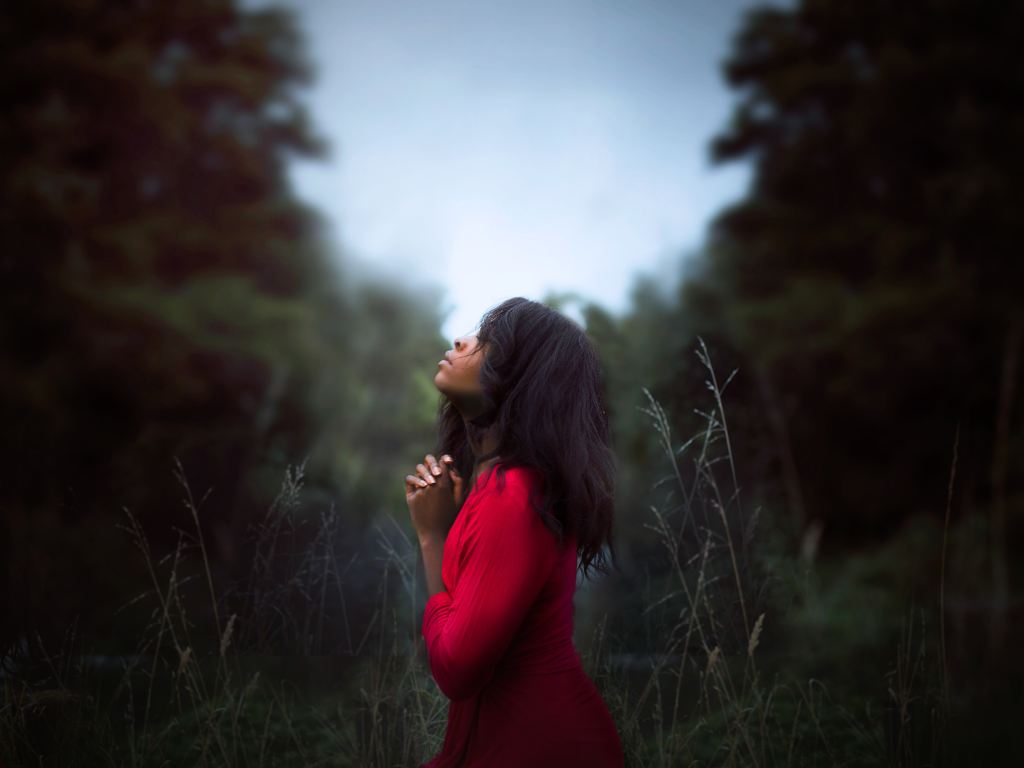
Today’s three Psalms form the rest of the “Songs of Ascent.” Now, that’s not to say that Psalm 17 or Psalm 136 couldn’t be sung on one’s way up to Jerusalem. This is so because just like yesterday’s Psalms 120-127 and just like almost any “set” of Psalms, within these three we find cries to God, oppression by the wicked, trust in God to act, and praises for God’s blessings and presence.

Psalm 128 equated being faithful and working hard to having a truly happy life. It offers blessings for a fruitful wife who produces many children, who are like “freshly planted olive trees.” It closes with a hope to “see your grandchildren” – to experience long life, another sign of God’s blessing.

The psalmist cries out for relief in Psalm 129. The enemy has “plowed my back like farmers.” This implies being scourged. Yet God rescued the writer. He or she prays the enemy would be like “grass on the roof” – that they’d experience a very short life because they are evil.

Today’s reading closes with Psalm 130. It is part cry for help, part recognition of God’s great mercy, part encouragement to “wait for the Lord!” The psalmist is in need of forgiveness. They cry out for mercy. They are grateful that “forgiveness is in you” and they acknowledge that without God’s mercy, no one would make it. So they wait eagerly, “More than the night watch waits for morning!” The repetition emphasizes their desperation. The Psalm closes by encouraging Israel to also wait for the Lord. May we do so as well.

Prayer: Lord God, you are so good to us. Your mercy never ends, your grace abounds, your love never fails. You are our guide and our strength, our shield and our defender, our gracious redeemer and our sure hope. Thank you, O Lord our God! Amen.


Leave a comment

Songs of Ascent, Part I

Readings: Psalms 120-127

‭Psalm 122:1 – “I rejoiced with those who said to me, ‘Let’s go to the LORD’s house!'”

Psalms 120-134 are collectively known as the “Songs of Ascent.” Each carries the superscription, “A pilgrimage song.” These songs were likely sung by pilgrims on their way up to Jerusalem to participate in one of the three yearly festivals. I wonder which of these Jesus and his followers sang as he rode into the city just before the Passover.

Psalms 120 and 121 are like a call and response. In Psalm 120 the psalmist has been away too long and needs rescue from “lying lips” and those who “hate peace.” Psalm 121 answers with the invite to look to the mountains, to Jerusalem. There you will find your “protector,” the one who “never sleeps or rests.”

Psalms 122 and 123 function in the same way with Psalm 124. Psalm 122 begins with joy over being invited to go up to God’s house, to the city “joined together in unity.” The psalmist turns to God, asking for peace and rest for Jerusalem. Psalm 123 adds a prayer for mercy. They’ll pray attentively until mercy comes. Then Psalm 124 offers encouragement as it recalls God’s rescue and deliverance in the past. The psalmist declares that their help is still in God alone, “the maker of heaven and earth.”

Psalm 125 continues the theme of trusting in God, who, like Mount Zion, is “never shaken.” The psalmist closes this song with a request of God: do good to the good and banish those evildoers. Psalm 126 is similar in structure – remembering when God rescued them, then asking God to rescue them again. Psalm 127 is a bit like Ecclesiastes. Human effort is “pointless.” But children – and lots of them – are a gift from God!

These songs of ascent, like much of the rest of the Psalms, cover a range of emotions and situations. May we use these prayers too as we find ourselves experiencing joy or sorrow, blessing or suffering, belonging or isolation.

Prayer: Lord God, as some of these Psalms or words within call out to us, write them on the tablets of our hearts. Then, by the power of your Holy Spirit, call them to our minds at just the right time. Thank you, Lord. Amen.


Leave a comment

The Ebb and Flow

Reading: Psalm 119:89-176

‭Psalm 119:159 – “Look at how much I love your precepts. Make me live again, LORD!”

The first half of Psalm 119 painted a picture of a new and growing faith. In verses 89-176 we find a more mature faith, one that quickly turns to God, one that expects God to act on behalf of the faithful. The overarching theme of these 11 sections can be summed up in today’s key verse: “Look at how much I love your precepts. Make me live again, LORD!” Much like Job, the psalmist wrestles with the good/reward, bad/punish framework of the ancient faith. We wrestle with this too.

This wrestling can be found in verses 126-127 and in 165-166. In the first the psalmist almost demands God’s actions because others have “broken” God’s law and because he or she loves the law more than gold. In verse 165 the statement is made that the faithful enjoy peace and do not stumble. Then in 166 the psalmist says, “Lord, I want your saving help.” I’m good, God. You should save me!

Throughout these sections we also find a consistent theme of loving God’s law and being angry at or hating those who don’t love God’s law. We see this played out in the New Testament too as the religious leaders clashed with Jesus and then with his followers. They couldn’t stomach how Jesus ate with and touched sinners. We too can be a bit like this. We can look down our noses at those who aren’t acting or believing like we act and believe. We can struggle with brothers and sisters in Christ who seek to minister to “those” people.

Overall these sections of Psalm 119 paint an accurate picture of our faith – for good and for bad. We sincerely want to know, understand, and live out God’s will and ways. We can judge and demand. And we can find ourselves as the psalmist did in verse 176: “I’ve wandered off like a sheep, lost.” And we can pray as the psalmist prayer: “Find your servant because I haven’t forgotten your commandments!” No, likely they’re just conveniently misplaced. Lord, help us.

Prayer: Lord God, the ebb and flow is part of the journey. The call to love the least wrestles with our inclinations towards judgment and condemnation. How fickle we are too. So, yes, help us Lord to know you more, to love you more completely, to serve more steadfastly. Continue to gather us back in. Shepherd us on your path. Amen.


Leave a comment

The Initial Journey

Reading: Psalm 119:1-88

‭Psalm 119:32 – “I run the same path as your commandments because you give my heart insight.”

Today and tomorrow we delve into Psalm 119. It is the longest chapter in the Bible, with 176 verses and just over 2,400 words. Although lost in translation, the Psalm’s original structure was amazing. It is an acrostic poem. Each stanza begins with one of the 22 letters in the Hebrew alphabet. What’s amazing is that they go in order. What’s really amazing is that in its original form, all eight lines in each stanza all started with that same letter. One last nerdy note: the psalmist used eight different words for the “Law.” This is the focus of Psalm 119.

Alef and Bet begin the Psalm. Their common theme is faith in youth. There is a longing to know God’s ways better. This only comes with time and experience. Gimel and Dalet introduce some lament or suffering. The psalmist’s young faith is “worn out” by studying the Law. Perhaps this feeling arises because challenges have arisen to test their faith. Some are within and some are without. We too experience these situations as we seek to grow in our faith, trust, assurance…

In He and Waw it feels like the psalmist has turned the corner, has gotten through the initial season of testing. The response comes in pleas to help them keep the Law. There is a knowledge that testing will come. Zayin and Khet return to suffering and trial. The psalmist recognizes God’s comfort and mercy. In Tet and Yod the words turn personal. Their maturing faith acknowledges that the suffering was just and that it led them to repentance. The lessons were good for their faith growth. We too learn much in the valleys.

Today’s portion of Psalm 119 closes with Kaf, the 11th letter. The psalmist’s life has returned to a time of testing. They now yearn for God’s help. They ask “How long?” Growth has occurred, though. Instead of the defeated attitude of a young faith, like we see in Gimel and Dalet, there is now a confidence that God will come through again. The psalmist is resolute about walking in faith. May it be so for us as well.

Prayer: Lord God, thank you for the encouragement and for the reminder that faith is a journey. We do not begin and find ourselves at perfection. Faith is a long and slow and steady walk into a deeper and deeper relationship with you. Give us strength for the journey. Bless us with grace when we stray. Grant us perseverance. Walk with us. Amen.


Leave a comment

For Me. For Us. For You.

Readings: Psalms 113-118

‭Psalm 118:6 – “The LORD is for me — I won’t be afraid. What can anyone do to me?”

Today’s six Psalms are known as the “Egyptian Hallelujah.” These words of praise were recited each year at the Passover meal. Psalms 113 and 114 were recited before the meal. These Psalms celebrate God’s actions on behalf of the poor and needy and on behalf of Israel during the exodus. Psalm 113 exalts the God who lifts up the poor, who raises the needy, who brings the barren woman the joy of motherhood. These words echo “Hannah’s Song” from 1st Samuel 2 where God acted on behalf of the faithful. Psalm 114 remembers the parting of the sea and river, the bringing of water from the rocks – more signs of God’s faithful love.

After eating the Passover meal, Psalms 115 through 118 would be recited. Although lost in translation, Psalms 115 and 118 were originally written and spoken as call-and-response liturgy. Psalm 115 lifts up God’s power and might, contrasting God with worthless idols who “have mouths, but they can’t speak.” God is Israel’s “strength and shield.” 115 closes with blessings to all. Psalm 116 is a celebration of an individual’s rescue, reminding Israel that God is a personal God too. Because of God’s deliverance the individual will “lift up the cup of salvation… will keep the promises” made to God. Psalm 117 lifts up God’s strong love.

The Hallelujah closes with Psalm 118. The setting is an individual coming to the temple to give thanks to God. This Psalm calls Israel, the priests, and all who honor the Lord to declare, “God’s faithful love lasts forever!” Because of their experience with this in the exodus, the psalmist writes, “The LORD is for me — I won’t be afraid. What can anyone do to me?” God was faithful. God is faithful. God will be faithful. What is to fear?

Verses 22 and 27 are often connected to Jesus – the stone rejected, the light that shined, the offering led to the new altar, the cross. These are echoes found in the ever expanding story of God’s love, reflections on the final Passover lamb.

Prayer: Lord God, today’s words celebrate your presence with your people. Just as you rescued and delivered, just as you provided and made a way, do so for us in our lives too, O God. We seek to walk in your strong and faithful love, a love that lasts forever. Thank you, Lord, for your love. Amen.


Leave a comment

An Extension

Readings: Psalms 108-112

‭Psalm 111:3 – “God’s deeds are majestic and glorious. God’s righteousness stands forever.”

Psalms 108 and 109 seek God’s presence in the struggles against enemies. Psalm 108 begins with praise to God. The psalmist’s “unwavering heart” will make music for all people, proclaiming God’s faithful love. The Psalm celebrates God choosing Gilead, Manasseh… and rejecting Moab, Edom… Yet the writer turns in verse 11, asking the familiar question: Where are you, God? The psalmist asks for God’s help because “human help is worthless.” Psalm 109 seeks God’s help too – just on a personal level. Verses 6-19 detail the “hateful words” spoken by the enemies. From a place of weakness the psalmist begs God to shame and disgrace his or her enemies.

Psalm 110 speaks of kingship. It invites God’s presence with the king, allowing the “mighty scepter” to reach far. The psalmist calls to mind God’s “solemn pledge” to establish the kings. The Psalm closes with a reminder that God’s justice will reign.

Psalms 111 and 112 are similar. They praise God’s work and the workings of a righteous life. There is a parallel here. In Psalm 111 the psalmist praises God’s works as magnificent, majestic, and glorious. God’s righteousness, mercy, and compassion are celebrated. God’s handiwork is honesty and justice. God brings redemption. It closes proverbially: “Fear of the Lord is where wisdom begins.” Psalm 112 echoes these traits of God. The people of God are to be an extension of God. We are to be righteous and generous, merciful and compassionate. In the end, then, we too will see our enemies’ defeat. Death and pain and oppression and struggle will be no more. Thanks be to God.

Prayer: Lord God, your presence is what we need. Whether beset by enemies or praising your glorious reign, we need your presence. On the stormy days and on the days of joy and peace, be present to us, O God. Guide us to walk and live faithfully, shining your love onto and into the world. Amen.


Leave a comment

Bring Us Home

Readings: Psalms 105-107

‭Psalm 105:4-5 – “Pursue the LORD and his strength; seek his face always! Remember the wondrous works he has done.”

Psalms 105 and 106 close our Book 4 by recounting Israel’s history. The story begins with the covenant and it runs through to the oppression experienced in the Promised Land. Psalm 105 begins with the covenant made with Abraham and carried over to Isaac, Jacob, and Israel. God protected their small number, eventually sending Joseph then the whole family to Egypt, where they became numerous. After oppression there, God sent Moses and Aaron and the ten plagues. God led them out, guiding by cloud, providing food and water. Finally God gave them the Promised Land, a place where they could “keep his law and observe his instructions.”

Psalm 106 gives an accounting of the people’s struggles with obedience. It recounts the rebellions at the sea, at stops in the desert, and at the foot of Sinai, where they made the golden calf. The psalmist highlights Moses’ saving intercession. Then the psalmist speaks of more rebellion and testing, of idol worship and child sacrifice. Oppression came from an angry God. Soon so too did compassion. The Psalm closes with a plea: “Lord our God, save us! Gather us back together.” Bring us home from this place of exile.

Psalm 107 begins Book 5 with some examples of how God does just that. Gathered from the four directions, the psalmist tells of four groups or types of redeemed people. These cases are generic, allowing us many ways to see how God redeems and can redeem. God redeems those who wander, those who are in gloom and darkness, those who sin, and those who face storms. We all find ourselves in each situation at times. In those times may we remember the God who turns deserts into streams, the God who raises up the needy. May we call on this God, trusting in God’s redeeming and restoring salvation.

Prayer: Lord God, you alone can rescue and you alone can save. You desire to lead and guide us, to teach us your ways. Soften our stubborn hearts and curb our selfish desires, God, so that we can learn and obey. Correct us when we sin, comfort us when we suffer, save us from all that life can bring. Water our dryness, satisfy our hunger. Walk daily with us, O Lord. Amen.


Leave a comment

The Goodness of God

Readings: Psalms 102-104

‭Psalm 104:24 – “LORD, you have done so many things! You made them all so wisely! The earth is full of your creations!”

Psalm 102 begins in lament. The psalmist cries out for God to hear their prayers. Their bones are crushed; their heart is smashed. They eat ashes instead of bread. And then in verse 12 the psalmist remembers the God who reigns forever. Yes, God will stand up. Yes, God will look down, hear, and set free “those condemned to death.” Even though the psalmist feels like God is “cutting short my days,” the Psalm closes with a petition for God’s presence to be with his or her children and descendants.

The mood shifts in Psalms 103 and 104. These Psalms celebrate God’s love and care for all of creation. Psalm 103 begins with thanks for forgiveness and healing, for love and compassion, for the good things God provides. The psalmist celebrates God’s patience and mercy, remembering that we don’t get what our sins deserve. Instead, God removes our sins “as far as the east is from the west.” It is noted that this because God knows how we are made. God made us! And even though our days “are like grass,” God’s days are forever. The Psalm closes with a call for heaven and earth, for all of creation, to join the psalmist’s whole being in praising the Lord.

Psalm 104 continues this invitation. The psalmist celebrates God’s creative prowess. He or she recognizes the wine, oil, and bread that God provides to sustain and enrich our lives as signs of God’s goodness. The psalmist proclaims, “LORD, you have done so many things! You made them all so wisely! The earth is full of your creations!” What a celebration of who and what God is! In verses 29-30 we are reminded that God is the giver and taker of breath and life. Then at the end of this Psalm we find a request to “wipe clean from the earth” the wicked. When I read this it felt a bit out of place after all of the praise and celebration in verses 1-34. My Bible’s notes revealed this truth: these are those who seek to disrupt the goodness of God and God’s creation. Ah ha!

Prayer: Lord God, yes, we too have our days and seasons when we feel crushed, when we feel oppressed. In these times, Lord, remind us of your constant presence and of how you are faithful to hear and to respond. Bring to memory the healing and restoration we’ve experienced and lead us to trust into your love and compassion for us. From there may we respond with praise and thanksgiving to the one who creates and reigns wisely and faithfully. There may we celebrate the goodness of God. Amen


Leave a comment

Focused on God

Readings: Psalms 96-101

‭Psalm 99:5 – “Magnify the LORD, our God! Bow low at his footstool! He is holy!”

Today’s six Psalms are songs of praise and are calls to celebrate God as Lord over all. Many common themes run through these Psalms: sing to the Lord, the Lord reigns, God is righteous and just, God’s love lasts forever. A feeling of joy arches over today’s readings.

Psalm 96 invites all people to “Bring gifts! Enter his courtyards.” Here we see an early indication of the widening of God’s kingdom. It is “all families of the nations” that are invited. All. There is also a recognition for the “all” in the Psalm: “He will judge all people fairly.” Just judgment will come to all people.

Psalm 97 reminds us that fire goes before God, “burning up his enemies.” Zion and Judah celebrate these acts of justice. In Psalm 98 the song exalts the victory won by “his own strong hand.” The shouts are triumphant. All of creation celebrates the victory of God’s justice. The themes of justice and righteousness continue in Psalm 99. The call is to “Magnify the LORD, our God! Bow low at his footstool! He is holy!” The footstool represents the ark of the covenant. Moses, Aaron, and Samuel were the givers and keepers of the Law. Therefore God heard and answered their cries, forgiving them when they strayed.

Psalm 100 celebrates that Israel is “the sheep of his own pasture.” Made and chosen by God, they live in God’s faithful love generation after generation. Psalm 101 closes with a call to integrity. To walk with integrity (and within God’s love) one must focus on the will and way of God while also not abiding any evil. May this be our walk as we seek to worship our God of love, justice, and righteousness with our lives.

Prayer: Lord God, what great reminders today of who and what you are: loving, just, holy, faithful, righteous, worthy of our praise. We too are the sheep of your pasture. As such, lead and guide us to daily bring these character traits to bear on the world. In all things – thoughts, words, and deeds – may we glorify you! Amen.


Leave a comment

Rejoice! Celebrate!

Readings: Psalms 90-95

‭Psalm 91:2 – “I say to the LORD, ‘You are my refuge, my stronghold! You are my God — the one I trust!'”

Photo credit: Shane Rounce

Today we begin Book 4! We begin with a Psalm attributed to Moses. The Psalm considers the fleeting nature of life. God sweeps humans away “like a dream.” We finish up our years “with a whimper.” So the author invites us to “number our days.” Doing so we learn to live with a “wise heart.” Doing so, life has meaning and purpose.

Psalm 91 petitions God for divine protection. It feels like a counter to Psalm 90. In verse 2 we read, “I say to the LORD, ‘You are my refuge, my stronghold! You are my God — the one I trust!'” The Psalm speaks of God’s protection and saving in times of sickness and trial. It proclaims that if even 1,000 fall dead, we will be ok. This is because God will “order his messengers to help you… to protect you.” While we can feel the psalmist’s trust, we must remember that this is a possibility and not necessarily a promise. The faithful are not immune from the happenings of life.

Psalms 92 and 93 compliment each other. Psalm 92 is a song of thanksgiving for victory. The wicked are like grass – they perish quickly. The righteous are like trees. They will bear fruit in old age. Psalm 93 recognizes God as the one who won’t be shaken, as the one mightier than the flood. Holiness “decorates” God’s house.

Psalm 94 is addressed to the “avenging God.” The arrogant brag and afflict widows, immigrants, and orphans. The God who hears and sees will repay the evil. This God helps the righteous, steadying slipping feet and comforting the anxious. This God is our fortress and our rock of refuge.

This leads us to Psalm 95, a call to worship God. It begins, “Let’s raise a joyful shout.” The “people of his pasture” are called to worship, to bow down, to kneel before the Lord.  A warning against hardening one’s heart closes the Psalm. It is good to offer our praise and thanksgiving to God. It counters our prideful nature and our tendency to turn inward.

Prayer: Lord God, at times we pray as the psalmists pray: steady us, comfort us, forgive us, protect us. At other times we too rejoice in your goodness and love. We celebrate your faithfulness and your justice. Today may our lives sing of your glory, power, and might. Amen.