pastorjohnb

Thoughts and musings on faith and our mighty God!


Leave a comment

Heed the Warning!

Reading: Luke 12:13-21

Luke 12:15 – “Watch out! Guard yourself against all kinds of greed. After all, one’s life isn’t determined by one’s possessions.”
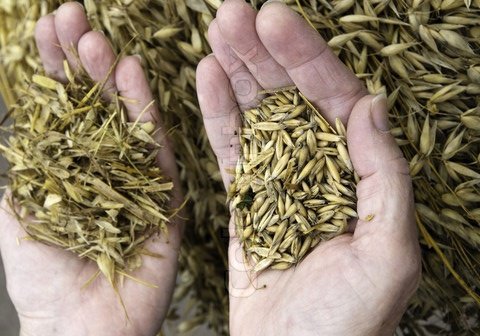
In today’s text Jesus addresses money – a frequent topic in his teachings. In the story a presumably younger brother asks Jesus to tell his brother to give him what is due to him. Jesus declares that he’s not the judge or referee – or the relationship counselor. Good thing because we all want what we think should be rightfully ours. This often includes money or possessions but can also include our time, our talents and gifts, and even our prayers and worship.

Jesus then tells a story to illustrate the gravity of his warning. Often we have to figure out which person we are in the story – or who we hope to be. Today’s story, however, has just one character. A rich man has a bountiful harvest. We get a bonus at work or that commission on the big account comes through. The man’s barns are not big enough to take in the wonderful harvest, adding to what’s already stored up. While there is always more “room” in the bank, we’ll rent storage units for our new stuff. Finding himself at the crossroads between generosity and self-indulgence, the man decides to tear down his current barns to horde more stuff in bigger, newer barns. The man thinks he’s all set – there’s plenty in the bank. Oops – in the barns. He thinks that he can now “Eat, drink, and enjoy yourself.” Life is good!

Alas, Jesus says, the man will die that night. He horded and was not “rich toward God.” He was storing up treasures in earth, not in heaven. The truth of Jesus’ warning is realized: “Watch out! Guard yourself against all kinds of greed. After all, one’s life isn’t determined by one’s possessions.” May we hear the lesson and heed the warning.

Prayer: Lord God, thank you for the warning and good story to back it up. Really, God, we all struggle with some kind of greed. Yet we read the story and almost all of us ask the question, “How much is enough?” Even this question betrays our trust in you to provide all that we need. Lord, teach us to be content with what you provide and guard our hearts against the hunan desire to strive for more. Amen.


Leave a comment

We’ve Been Given Much

Reading: Luke 11:37-12

Luke 12:33 – “Make for yourselves wallets that don’t wear out — a treasure in heaven that never runs out.”

Photo credit: Tyler Milligan

Today’s reading deals with authentic versus surface commitment to God. And it speaks into the worry and doubt and anxiety that is so common in our world today. These two topics relate to one another.

Our words from chapter 11 address the outward and superficial faith lived out by the Pharisees and legal experts. They tithe their herbs but neglect justice and love. They crave recognition and status. They place huge expectations on others but don’t help them and often get in the way of their faith development. These condemnations create deep resentment towards Jesus. But we must ask: Which would be addressed to the faith lived out by you and me?

Chapter 12 mostly focuses on trusting in God’s love and care instead of getting caught up in worry and fear or in the cares and concerns of the world. Jesus reminds us that God cares for and loves us much more than sparrows, ravens, and lilies. Each of these is provided for. How much more will God provide for us, God’s dearly loved children.

Jesus warns against greed, specifically against hoarding or storing up. These inwardly focused acts draw us away from compassion, empathy, and generosity. We are encouraged to release our “things,” to give to those in need. Doing so, we “make for yourselves wallets that don’t wear out — a treasure in heaven that never runs out.” Nothing can take these eternal things away. Jesus sums up why it is so important to be selfless: “Where your treasure is, there your heart will be too.”

Jesus also addresses our spiritual readiness. As servants of God we all have roles to play. We are to be diligent and faithful in how we use all of our resources – time, talents, gifts, wealth… “Much will be demanded from everyone who has been given much.” Friends, we have been abundantly and generously blessed by our God.

Prayer: Lord God, yes, you love us far beyond our understanding. And, yes, you care for us unlike any other. Yet worry and fear and earthly concerns can creep in. We can question you. In these moments, remind us of your truths and promises. Speak these into our hearts, Holy Spirit of God. Amen.


Leave a comment

So It Will Be with Us

Reading: Matthew 24-25

Matthew 24:46 – “Happy are those servants whom the master finds fulfilling their responsibilities when he comes.”

Chapter 24 is almost all about the signs of Jesus’ return. The end of chapter 24 and most of chapter 25 is about being ready or prepared for that day. Chapter 25 closes with the consequences of our decisions and actions leading up to that day. The conversation begins outside the temple, where Jesus predicts its destruction. This leads the disciples to ask about the end times when Jesus will return in glory.

Jesus says there will be many things that will happen. There will be false prophets and false christs. There will be war, famine, earthquakes, great suffering, and persecution. Many will fall away. Then the sun and moon will go dark and the planets will shake. Christ will come on the clouds in great splendor and power. The angels will gather the chosen ones. Jesus then reminds us that no one knows the day or hour. It will come upon the earth just as the flood came upon the people of Noah’s day. The message is clear: stay alert, always be prepared for the day.

From 24:45 through 25:30 we find three parables that describe what it looks like to be alert and prepared. In the first parable we read, “Happy are those servants whom the master finds fulfilling their responsibilities when he comes.” The bad or unfaithful servants will be cut to pieces and thrown into hell when the master returns unexpectedly. In the second parable the wise bridesmaids had plenty of oil (faith.) They will enter the wedding (heaven) when the late groom (Christ) arrives. The door will be closed. The foolish or unprepared will hear, “I don’t know you” when they try to get in. In the third parable the faithful who have put their gifts to work will hear, “Come, celebrate with me.” The lazy and evil will be thrown into the “furthest darkness.”

We close with the parable of the sheep and the goats. This summarizes the results of how one lived. The sheep lived for others, feeding the hungry, visiting the prisoners, welcoming the strangers. They did so in the name of Christ. Eternal life is their final reward. The goats ignored the hungry… Their final reward is eternal punishment. So it will be with us.

Prayer: Lord God, how we live day by day matters. Keep us faithful in the small things, attending to all that you place before us, using the gifts and blessings you have given us to bring your kingdom to fruition. Amen.


Leave a comment

Paying It Back

Reading: Matthew 22:15-22

Verse 20: “Whose image is this? And whose inscription?”

Today we return to the teaching about paying taxes. In our time together yesterday we considered how we ourselves bear and reflect the image of God. The question we ended with was: How do we give to God what is God’s? This question asks us to wrestle with how or what we give back to God, drawing from the time, talents, and resources that God has given to us. Our response to this question either deepens or lessens our relationship with God. But it also affects our relationships with one another. That is our focus today.

To hear and understand that we are created in and bear the image of God leads us to the realization that this is true for others too. It is true for our parents, for our spouses and significant others, for our children… It is also true for that difficult neighbor, for that busybody coworker, for that stranger on the street corner… Often it is harder to treat those such as these the same way we would treat our family or close friends.

Yet the reality is that these too bear the image of God. They too were woven together in the womb by God’s hands. So when we next encounter that neighbor or coworker or stranger or… we will once again have a choice. We can treat them as the world does – ignoring, fighting back, getting even. Or we can treat them as God treats us. We can take the blessings of love, kindness, humility… and pay them back to God by paying them forward to that neighbor, coworker, stranger… May it be so.

Prayer: Lord God, when I encounter the other, may I first see you in them. Through that lens, help me to be generous and welcoming, compassionate and caring. And, then Lord, help me to see me – the old me. Through this lens, help me to then offer the love and grace poured out so abundantly in my life. Amen.


Leave a comment

Greatness

Reading: Mark 9:33-35

Verses 33-34: “Jesus asked, ‘What were you arguing about on the road?’ But they kept silent… they had argued about who was the greatest.”

Photo credit: Giorgio Trovato

What do you think made Peter or James or Bartholomew… think made them greatest among their fellow disciples? Along the same lines, what do we think makes us special? What makes us great? Just as each disciple had his own reason or case, we too draw on certain things that demonstrate our greatness. Some point to earthly things such as power or wealth or education or fitness or beauty. Some point to relationships or service or ministry. Even these ‘worthy’ ones can become a slippery and dangerous slope when pride and ego and envy enter our hearts.

Today in the Disciplines daily devotional author Angela Staffner offered this nugget: “We are all participating in an ongoing discussion about greatness, spoken or unspoken.” She noted that our lives speak for us. As Jesus gathers the disciples and points them towards humility and service, he is guiding them into the way that reveals not their own greatness but God’s greatness. The disciples each had gifts and talents that were great. So too do we. The Jesus question is this: Do we use our faith story, our material resources, our spiritual giftedness to serve others? Going deeper, do we see these things as tools to use to glorify God or are they means to elevate self and to prove how great we are?

Jesus could have used his power, wisdom, and other divine abilities to be a totally different kind of Messiah. He could have led from a place of might and superiority. Jesus chose to walk the path that he is calling the disciples and us to walk. He met one and all right where they were at, heard their stories or needs, and poured into or served them as he was able. Using those things that God has given us that make us great followers of Jesus Christ, this day may we joyfully employ these things for the glory of God.

Prayer: Lord, walking in humility is not always easy. The desire to be seen, to be noticed is always near the surface. Recognition, applause, that feeling of success – they call out. Bend my will to your will. Focus me in on the Jesus way. Guide me to speak and do in ways that bring you all of the glory. Amen.


Leave a comment

Your Plenty

Reading: 2nd Corinthians 8: 7-15

Verse 14: “Your plenty will supply what they need, so that in turn their plenty will supply what you need”.

Photo credit: Dominik Lange

In chapter eight Paul begins by sharing about the example set by the churches in Macedonia. Even though they are in a time of trial they gave “as much as they were able”. And they gave with joy. With this example in mind, Paul turns to the commitment made by the Corinthian church. Paul first lifts up the ways that the church excels: faith, speech, knowledge, earnestness, love. Then he challenges them to also excel in giving. In verse ten Paul reminds them that they were the first to desire to give to support their fellow brothers and sisters in Christ. Paul’s challenge now is to “finish the work” – to make good on their original desire.

The idea of giving to a church or to an organization like the Red Cross or to a local mission or shelter is still common among many Christians. Yet our culture, as did the culture around the Corinthian church, teaches about rugged individualism and about striving for success. From an early age we are taught to achieve and to excel and to accumulate. So for some, Paul’s appeal towards “equality” among the churches runs counter to our cultural norms. The reality is that many see “ours” as “mine” and not “ours” as given by God to be stewarded by all of us.

Paul appeals to the church to “share the load”, to help a fellow church in its time of need. In verse fourteen he puts it this way: “Your plenty will supply what they need, so that in turn their plenty will supply what you need”. Give when you can and trust that others will care for you in your times of need. Paul’s appeal in this case is financial. One can also give of one’s time or talents or presence or service. In whatever ways we can, may we each care well for one another, being generous first with our love and then with whatever else we have to offer.

Prayer: Lord God, you are the giver of all good things. You have blessed me abundantly. Open my heart to the ways I can bless others. Amen.


Leave a comment

Small Seeds

Reading: Mark 4: 30-34

Verses 31-32: “It is like a mustard seed, which is the smallest seed… it grows and becomes the largest of all garden plants”.

Today we continue in Mark 4 with the planting of seeds. Yesterday we heard the call to scatter seeds of faith, trusting God to root, grow, and mature both our faith and the faith of others. Yesterday we heard that we are all called to plant seeds. Perhaps knowing that his audience then and that followers down through the ages would question or even balk at their ability to do this, Jesus continues with today’s parable.

Jesus begins by asking, “What shall we say the kingdom of God is like”? Well, it is not what we or the world think. Jesus shares this illustration: “It is like a mustard seed, which is the smallest seed… it grows and becomes the largest of all garden plants”. He chooses the smallest of all seeds. And yet the tiny seed produces a large plant which blesses the birds of the garden. Small gifts… big results. That is God’s kingdom at work. In the kingdom of the world, we think size matters. Larger bank accounts, bigger houses, fancier clothes – big seeds. But what difference do these things make in areas that really matter? None. It is the faithful, small gifts and actions that really build the kingdom of God. It is the many small words and humble actions of faithful followers that build the kingdom of God. Yes, you may hear a wonderful sermon today and you may be moved by the beautiful music. But if your time in church does not lead you to be Christ’s light and love in the world for the rest of the week, then how did worship matter?

The Holy Spirit gifts all believers. All of us have gifts to use in the building of God’s kingdom. How will you use the gifts and talents that God has given you to plant seeds for the building of the kingdom here on earth?

Prayer: Lord God, use me today to be a part of transforming the world. May I begin today with each I meet, pouring your love and grace into their lives. Amen.


Leave a comment

God’s Servants

Reading: Acts 1: 15-17 and 21-26

Verse 24: “Lord, you know everyone’s heart. Show us which of these two you have chosen”.

At the time our passage today takes place, about 120 people were part of the Jesus movement. What will become the church is just starting to form. As Peter speaks he addresses a need: “one of our number” is no longer with them. Judas has fulfilled his role and there is a felt need to replace him. Twelve was the number Jesus chose, it matched the number of the tribes of Israel. A new disciple felt right.

Churches and really all organizations function this way. There is a process used that determines those needed for both functionality and to accomplish the mission or task. This usually begins with design and planning but is often tweaked as needs define themselves. Periods of stability and balance alternate with times of change. In the early church there will not be twelve forever. Other leaders are added as the ministry expands: Paul, Timothy, Silas, Steven… Others will step up and fill roles and lead as needed.

Peter establishes the criteria for the one who will replace Judas. The new disciple must have experience – they must have been around and known Jesus. Through prayer the group chooses Matthias to become an official witness of the resurrection of Jesus Christ. He had revealed the faith plus the gifts and talents to be a leader and witness for the faith. God continues to work in this way. People in our churches demonstrate faith and show ability to serve in various roles. Through prayer, discernment, and Holy Spirit guidance these men and women take on responsibility for the functioning and work of the church.

Matthias and Barsabbas were both willing to be considered. Both were willing to serve God and the newly forming church. As we now reflect on the need for leaders and servants in our churches today, where and how can we each serve God and the church?

Prayer: Lord God, continue to raise up leaders and servants among your church. There is much work yet to be done as we seek to build your kingdom here on earth. Show us the way. Amen.


Leave a comment

The Greatest Joys

Reading: 1st John 5: 1-5

Verse 2: “This is how we know that we love the children of God: by loving God and carrying out his commands”.

We continue today with the same author and the same themes from our past days in John 15: loving well and obeying God’s commands. There continues to be a direct connection here. When we love someone we try to do things that please them. When we love someone we want them to be happy and well cared for. These concerns often extend to those who are loved by the focus of our love. This is the case with God’s creation and family. Since we cannot really care for God himself, we instead focus on loving and caring well for all of God’s creation.

John sums up this idea in verse two. Here we read, “This is how we know that we love the children of God: by loving God and carrying out his commands”. When our love of God leads us to follow his commands, then we love his children. We express God’s love in many ways: caring for those in need, helping others grow in faith, being present in times of pain or sorrow, supporting the work of God through the giving of our time, talents, prayers, and resources. These expressions of love are reflections or extensions of the love of God that we ourselves have experienced. This is why they are not burdensome. These actions are a joyful and grateful way to thank God for loving us so well. In this way the love of God is cast wide, out into the world. Being loved and loving well are two of the greatest joys in life. May we enjoy both today!

Prayer: God of all creation, you love me just like you love all of your other children and all that you have made. It is a wonderful, beautiful, complete love. As it fills me may I pour it out into the world. Amen.


Leave a comment

Well Done…

Reading: Matthew 25: 14-30

Verse 23: “Well done, good and faithful servant!… Come and share your master’s happiness”.

We return today to the Parable of the Talents. Yesterday we focused on the one servant who allowed fear to hold him back. As followers of Jesus Christ we are called to use the talents, gifts, resources… that God has given us to build up the kingdom here on earth. When we willingly and joyfully invest in the lives of others we do not lose those blessings ourselves, but we gain even more. The upside-down kingdom of God that we can experience is illustrated in today’s parable.

When we make the intentional choice to use the talents that the Master has given us, whatever the talent(s), we are usually investing in relationships. If your talent, for example, is working with children or youth, then your time given at Sunday school or VBS or youth group is being invested in their faith and in the relationships with the children or youth and their families. If your gift is musical, your time given in the choir or praise band is being invested in your faith, in the members of the group, and in the worshippers’ relationship with God. If your talent is cooking or baking and you invest time in providing food for the times of fellowship at church or for those in need in the larger community, then your talents are building relationships within the body of Christ or with the larger world. No matter what your talent, it can be used to build relationships and the kingdom.

Two of the servants in today’s parable invested the master’s money using the talents they had to bless their master. It was not for their own reward or profit. Yes, the master did bless them for their service. Our Master will as well. When we choose to live out our faith, using the talents that the Lord has given to each of us, we too will one day hear, “Well done, good and faithful servant!… Come and share your master’s happiness”. May it be so.

Prayer: Lord God, thank you for orienting me towards doing and serving. Thank you for the talents that you have given me to live out my faith in these ways. On those days when I’d rather not, when I want to make the selfish choice, remind me again of your love and investment in me. Call me to do your will, not mine. Thank you, Lord Jesus. Amen.