pastorjohnb

Thoughts and musings on faith and our mighty God!


Leave a comment

God’s Goodwill and Plan

Reading: Ephesians 1:3-14

Ephesians 1:7 – “We have been ransomed through his Son’s blood, and we have forgiveness for our failures based on his overflowing grace.”
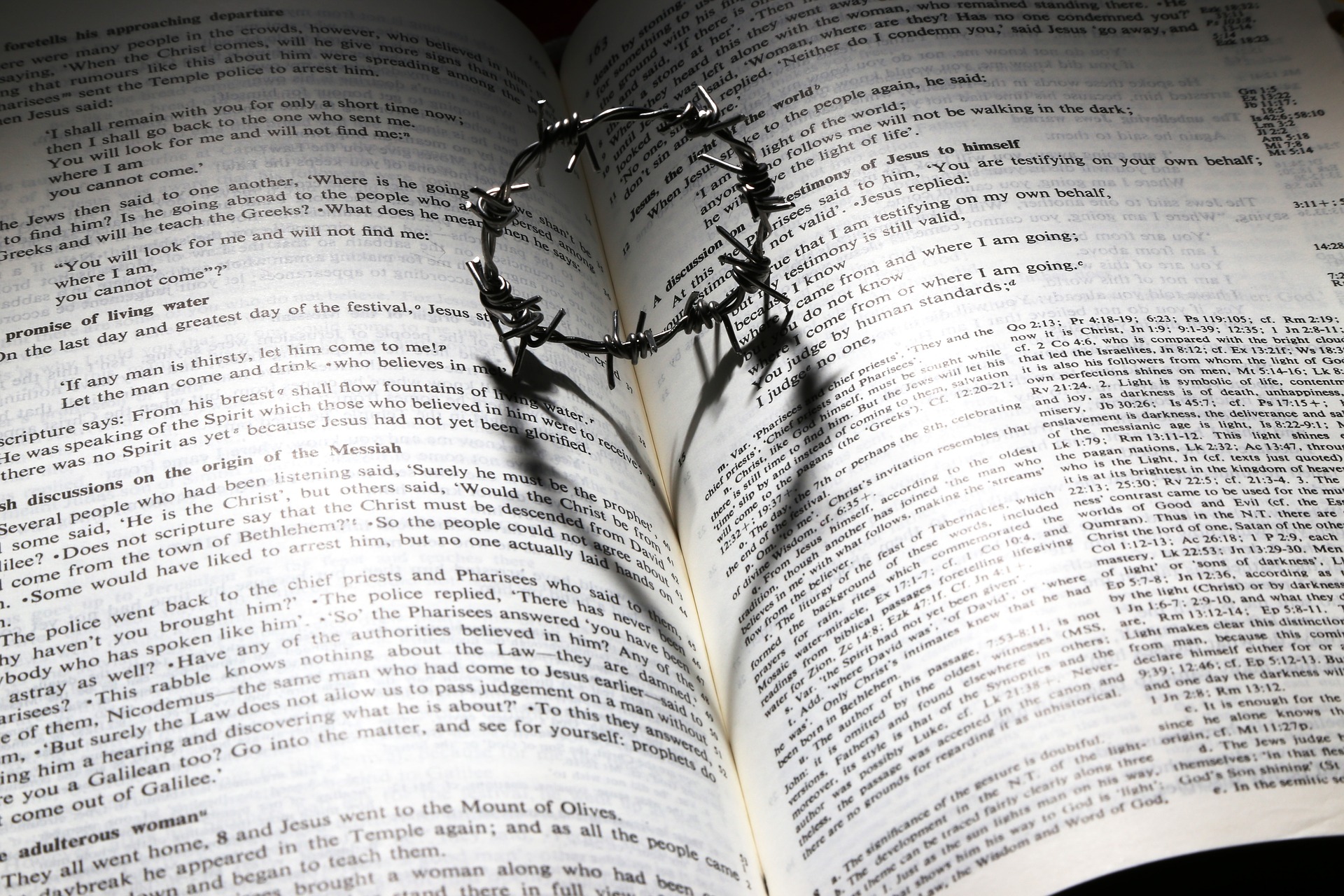
Verses 3-6 speak of God choosing us. This choosing is rooted in God’s “goodwill and plan.” At the beginning of time as we know it, God created humanity in the image of the divine and appointed humankind as stewards of creation. A partnership, a relationship – this has always been God’s good plan for all of humanity. This intimate connection with God calls us to be “holy and blameless.” This calls requires us to surrender our life to Christ’s will and way so that we can become “adopted children,” becoming like Christ in every way that is humanly possible. At its simplest, this comes down to loving God and one another just as God first loved us.

Part way through verse 6 the focus shifts to grace and forgiveness. Because we are human, at times our flesh leads us away from our relationship with Jesus Christ and into temptation and sin. At all times, God is ready to redeem us. Verse 7 speaks of this truth: “We have been ransomed through his Son’s blood, and we have forgiveness for our failures based on his overflowing grace.” Ransomed – the atoning price for our sins has been paid. Forgiveness – our sins are no more. This has always been God’s design. At just the right time, God in the flesh made the sacrifice required to redeem all the world.

The last five verses shift to an eternal reality. At the end of this present age – “the climax of all time” – Christ will bring all things together in the new heaven and earth. This is our inheritance. It first comes through belief in Jesus Christ as Lord and Savior. It is then sealed by the indwelling presence of the Holy Spirit. The forgiveness and redemption founded on God’s love will one day lead us to our true and eternal home. Thanks be to God!

Prayer: Lord God, thank you for your plan that seeks to include us all. Thank you for the wooing and pursuing that draws us into relationship with you. Thank you for the steadfast love and for the indwelling presence that strengthens and deepens our relationship with you. Thank you for the grace, overflowing and unending, that brings us back into right relationship again and again, redeeming us from ourselves, returning us to who you designed us to be. Thank you for your great love for us all. Amen.

Leave a comment

Jesus Offers, Invites

Reading: Matthew 11:2-6

Matthew 11:3 – “Are you the one who is to come, or should we look for another?”

By the time Matthew’s gospel reaches chapter 11, Jesus has given the Sermon on the Mount, has healed many people, has calmed a literal storm, has gathered the twelve disciples, and has begun training them to carry on his ministry of healing and wholeness. During this time, John the Baptist’s ministry has diminished and he now finds himself in prison, having angered King Herod. Searching for hope, John sends his own disciples to ask Jesus, “Are you the one who is to come, or should we look for another?” From his prison cell, it must not feel like the kingdom of God is what he’d hoped it would be.

Presenting evidence of what the kingdom of God looks like here on earth, Jesus mostly quotes from Isaiah 35 and 61, adding a few of his own words too. Jesus is reminding John of how the Old Testament prophets described the Messiah and his kingdom. Healing and wholeness, fullness of life, deep relationships and community, humble service – this is God’s plan for this created world. It is to be as Jesus taught, “on earth as it is in heaven.”

The evidence that Jesus gives are both our inheritance and our marching orders. Jesus offers to open our eyes so we can see as he sees, just as he invites us to do the same for others. He walks with us when we cannot walk alone and he asks us to do the same with one another. Jesus cleanses us of our “diseases” and he speaks truth into our hard hearts. He brings life to what was once “dead” and he restores relationships. All of these, in turn, Jesus invites us to do for the world. As we find healing and wholeness through Jesus Christ, may we work to bring these to our world in need. May it be so.

Prayer: Lord God, open our hearts and minds to receive all that you offer. Being filled with your love, guidance, presence, healing, and hope, turn us out into the world, pouring ourselves out for the healing and wholeness of all creation. Use us to manifest your kingdom here on earth. Amen.


Leave a comment

Walking the “Holy Way”

Reading: Isaiah 35:8-10

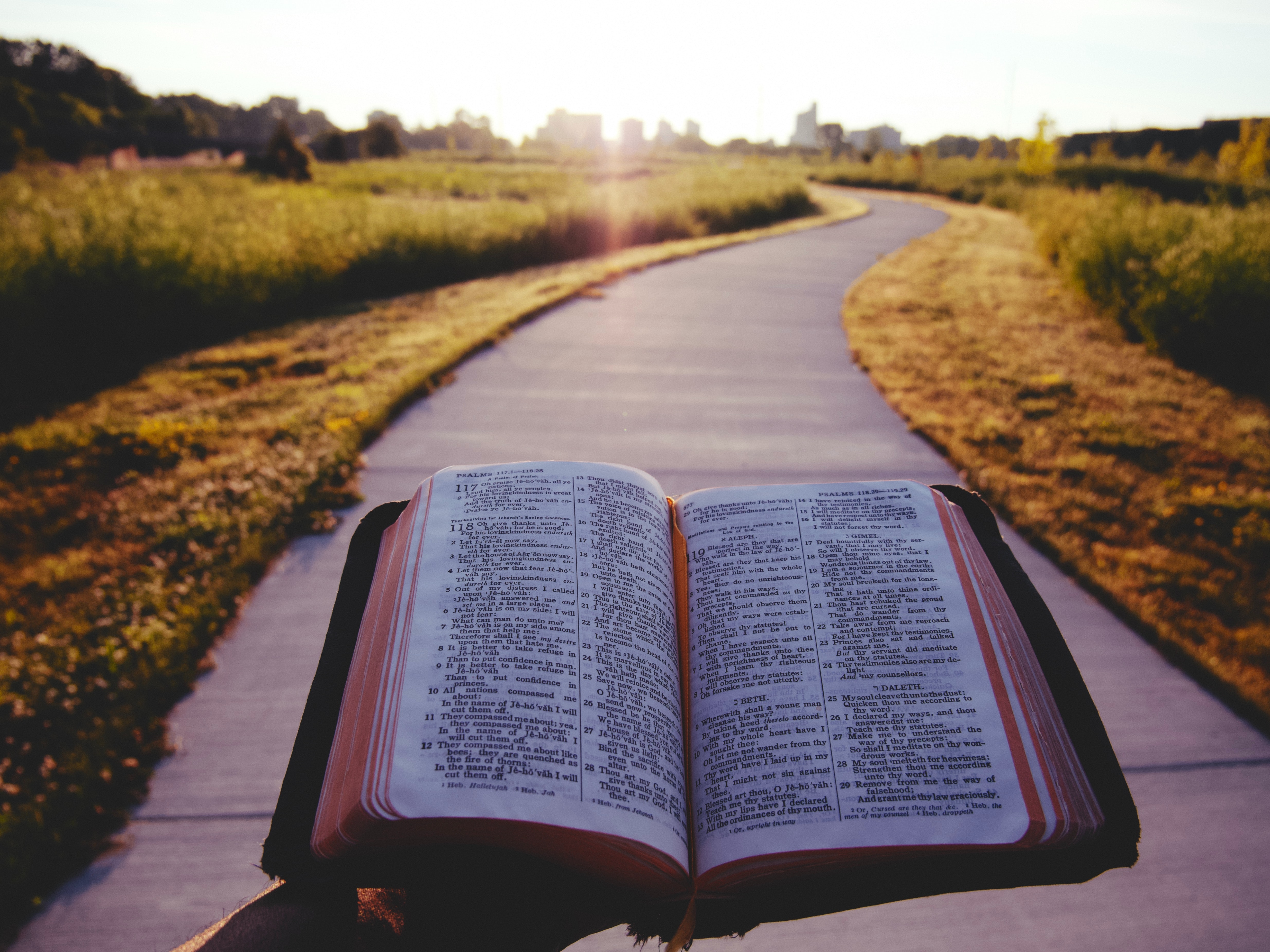
Isaiah 35:8-9 – “A highway will be there. It will be called The Holy Way… Only the redeemed will walk on it.”

Photo credit: Aaron Burden

Today we continue in Isaiah’s vision. In its original context the prophet was speaking of the exiles return to the promised land. Isaiah’s oracle spoke of God’s redemption of Israel and of their safe journey through the wilderness. As the exiles return home, this “way” will be free of predators and enemies. No one will get lost along the way. Those ransomed from exile in Babylon will enter Jerusalem “with singing, with everlasting joy.” The grief and groaning of past suffering will “flee away.” For a people familiar with the long, difficult, costly journey out of exile in Egypt, these words of guidance and protection and blessing brought great hope to Israel.

In the now-and-not-yet spirit of Advent we next look at these words of Isaiah as a messianic text. During his ministry, Jesus proclaimed, “I am the way, the truth, and the life” (John 14:6.) With these words in mind we reconsider verses 8 and 9 from Isaiah 35: “A highway will be there. It will be called The Holy Way… Only the redeemed will walk on it.” Jesus walked and taught in holiness and righteousness. He called his disciples to walk in his footsteps, following his example of holiness and righteousness. Jesus offered forgiveness of sins to those who repented and committed to walk in his ways and truth. Redeemed from our sins, we strive to daily walk and live Jesus Christ’s “Holy Way.”

Looking forward with hope, the trust that the faithful will one day enter “Zion,” the new Jerusalem in God’s coming new kingdom. In that day the ransomed will sing praises to the Lord. Everlasting joy and peace will be upon us. The grief, groaning, tears, and suffering of this present life will be no more in our eternal home. What great hope! Thanks be to God!

Prayer: Lord God, we rejoice and thank you for rescuing and redeeming your people long ago, bringing them home to their inheritance. We rejoice and thank you for rescuing and redeeming us from our sins and failures each day, empowering us by your Holy Spirit to walk in Christ’s way. And we rejoice and thank you for our coming final rescue and redemption, when we will joyfully stand in your eternal light and love. You are a most awesome God. Glory be to you, O Lord! Amen.


Leave a comment

A Long Line

Reading: Ephesians 1:11-23

Ephesians 1:13 – “You too heard the word of truth in Christ, which is the good news of your salvation.”

Photo credit: Anne Nygard

Paul first reminds us in today’s passage that we who believe have “received an inheritance in Christ.” Paul sees this outcome as a part of God’s plan for all people. If God were to have God’s way, all people would be disciples of Jesus Christ. That is God’s plan for all people as we are created in the womb. But we do have a choice in the outcome. Sometimes people choose to live by their own way and not God’s way.

For those who have chosen God’s way, choosing to follow Christ, we are called to bring God glory through the living out of our faith. We do this by living as Christ lived. In this living we take our place in a long line of disciples who have shared the faith with others. On this All Saints’ Day we recall those who have lived as Christ, teaching and modeling for us what living a life of faith looks and feels like. In turn, we teach it to and we model it for others – in our homes, in our church, in our workplace, in our community…

We can do so because we have “heard the word of truth in Christ, which is the good news of your salvation.” Accepting this good news we are indwelled by the Holy Spirit. Paul describes this constant presence of the Spirit as a “down payment on our inheritance.” This is a foretaste of being in glory in eternity. The Spirit in us keeps us connected to God. Deposited in our hearts, we are empowered by God. Through this power at work in and through us, we can pass on the faith to others, to the next generation of saints. May it be so!

Prayer: Lord God, today we pray for one another as Paul prayed for the church in Ephesus. Lord, give us “a spirit of wisdom” so that we can know you more and more. Open the “eyes of our heart” so that we can live out the hope that we find in Christ Jesus. Lead us to spiritually kneel before Christ, the head of all things. Amen.


Leave a comment

Rejoice in Hope

Reading: 1st Peter 1:3-7

1st Peter 1:3c – “You have been born anew into a living hope through the resurrection of Jesus Christ from the dead.”

1st Peter was written to several house churches scattered across the Roman empire. The faith of these early Christians brought them into conflict with the social norms of the empire. This conflict often led to persecution and suffering. Peter writes to encourage these faithful followers and to call them to holy living, especially during trial and hardship.

After the greeting, Peter writes, “May the God and Father of our Lord Jesus Christ be blessed!” The ‘how’ will be unpacked in the next verses. He begins with a reminder that they have been born again. This spiritual birth connects them to God and makes them part of the family. In the last part of verse 3 Peter writes, “You have been born anew into a living hope through the resurrection of Jesus Christ from the dead.” This hope is present and real. It carries them through trials and hardships. It offers us the same reality.

Their new birth also leads to an “enduring inheritance.” This inheritance is “pure” and therefore “cannot perish.” It is “kept safe” by God in heaven. This protection also extends to this life. Peter tells these early believers that they are “guarded by God’s power” so that they can one day receive their salvation. This builds their living hope.

In verse 6 Peter shifts to their present reality. He acknowledges the “various trials” that they are suffering. This is what Jesus faced and endured too. These trials will result in a more “genuine faith.” And, one day, this will bring them (and us) praise, glory, and honor when Jesus returns again. Yes, we too rejoice in this hope! Thanks be to God for our living hope, Jesus Christ.

Prayer: Lord God, thank you for these now and then promises and truths. In you we find hope and joy in this present life. Although we would never invite hardship, we do know that the testing and refining matures our faith. In the trials, Lord, draw us into your presence, reminding us of the glorious day when all things will be made new. Amen.


Leave a comment

The Battle with Self

Reading: Galatians 5:13-21

Galatians 5:17 – “A person’s selfish desires are set against the Spirit, and the Spirit is set against one’s selfish desires.”

In Galatians 5:13 Paul reminds the believers that they have been “called to freedom.” Having committed themselves to Jesus Christ, they have died to their old self and have been made new in Christ. They were freed from their old ways and from the power of sin and death. Through grace they are forgiven and made right with God – again and again. Paul warns the believers against returning to their selfish ways. Grace was and is not given so that one can indulge and indulge. Instead Paul calls them away from selfishness and into service through love. This call will fulfill the command to love neighbor as self.

Paul then draws a sharp contrast between living in the way of the Lord and living in the ways of the world. These two ways stand in opposition to one another. He puts it this way in verse 17: “A person’s selfish desires are set against the Spirit, and the Spirit is set against one’s selfish desires.” We know from our own life experiences that this is a constant battle. Our inherent selfishness is always calling us to love self. The Spirit is always calling us to love God and other. The Spirit calls us away from doing “whatever you want to do.”

Paul gives us quite the list of things we do when motivated by selfish motives. This list of 16 behaviors reveal many issues in our world today. We see many of these selfish actions on display each day. And, if we’re being honest, there are several on Paul’s list that we struggle with daily. This is why surrender of self is so important. Guided by the Spirit, we will be called to  selflessness instead of selfishness. Living the way of Jesus, we will build the kingdom of God both in this time and place and in our hearts. Doing both, we await our eternal inheritance. May it be so for you and for me.

Prayer: Lord God, we ask for your Spirit presence in the battle between self and the call to love you and neighbor. On our own we struggle so. The impure thoughts, the unkind words, the selfish actions – they rise up so quickly. Counter this, O God, with the power of the Spirit. Moment by moment, call us to your will and ways. Amen.


Leave a comment

High Priest, Mediator, Perfect Sacrifice

Reading: Hebrews 7-9

Hebrews 9:24 – “Christ didn’t enter the holy place… made by human hands, but into heaven itself, so that he now appears in God’s presence for us.”

The focus of Hebrews 7-9 is to establish Jesus as high priest forever, as the mediator of the new covenant, as the perfect sacrifice for the sins of the world. The writer begins his or her case by looking back to Melchizedek, the priest of God who blessed Abraham. He was not a Levite but remains “a priest for all time.” Yes, earthly priests will collect a tithe and will offer sacrifices again and again. But they die and don’t continue serving. The Levitical priesthood, part of the old covenant, offered sacrifices that “can’t perfect the conscience.” The guilt and the shame and the power of sin, they remain.

Jesus came as the “guarantee of a better covenant.” High priest forever, Jesus is “holy, innocent, incorrupt, separate from sinners, raised high above the heavens.” He offered himself, “once for all,” providing his own blood as the blood necessary for forgiveness. This initiated the second or new covenant. Quoting from Jeremiah 31, the author of Hebrews declares that God revoked the old covenant (written under the Law) and prepared for a new covenant (written on our hearts) and sealed by the blood of Jesus. Unlike the old covenant, Jesus’ blood will “wash our consciences clean,” freeing us to serve the living God. Jesus himself was “the sacrifice without any flaw.”

The mediator of the new covenant, Jesus Christ, offers all who are called the promise of “eternal inheritance.” Leading the way, “Christ didn’t enter the holy place… made by human hands, but into heaven itself, so that he now appears in God’s presence for us.” In heaven, Jesus mediates for us, standing for us in God’s presence. We await Christ’s second coming, when he will save and redeem us and our broken world. In this advent season, we say, come, Lord Jesus, come.

Prayer: Lord God, we are so grateful for the gifts you gave us through the sacrifice of your Son, Jesus Christ. Through his blood we are forgiven and cleansed, sins washed away, made holy in your sight. Christ did what the old covenant never could do. He made a new way, one that opened eternity to all who call on Jesus as Lord and Savior. Thank you for these gifts. Amen.


Leave a comment

Rooted and Built Up

Reading: Colossians 1-2

Colossians 2:7 – “Be rooted and built up in him [Christ], be established in the faith, and overflow with thanksgiving just as you were taught.”

Colossians, as a whole, presents a beautiful picture of Christ as the fullness of God, as the agent of creation and redemption, and as the one who empowers the church to faithful living. In the face of rival, more worldly teaching, Paul presents a Christ fully capable of changing and transforming hearts and lives into a new, holy, and blameless way of living.

Colossians begins with thanksgiving and a prayer. Paul offers thanks for their faith in Christ and for their love of all of God’s people – both outcomes of Epaphras’ teaching. The message of hope has been growing and producing fruit in all of their good works. Paul prays that they will be strengthened and will grow in their knowledge of God’s will. He prays that they will endure hardships with patience so that they “can take part in the inheritance” – eternal life.

A hymn about Christ’s work comes next, in verses 15-20. This hymn celebrates Christ as the creator of all things and as the glue that holds all things together. Christ is the one who reconciles all to God – including those in the Colosse church. Paul encourages them to stay rooted in their faith. He warns against this “philosophy and foolish deception,” these human rules. Paul encourages them to live in and with Christ: “Be rooted and built up in him [Christ], be established in the faith, and overflow with thanksgiving just as you were taught.” Being baptized into Christ’s death, Paul says, now live alive in Christ. Stay connected to Christ, Paul implores. May it be so for us as well.

Prayer: Lord God, lead and guide us in our walk of faith. Open our hearts and minds to the fullness of Jesus Christ. Help us to truly be reconciled to you, living as light and love in this world. Guard us from the false teachings of the world and of the evil one. Root us deeply in Christ. Establish our faith on the rock. Empower us to faithful living through the power of the Holy Spirit. Amen.


Leave a comment

The Plan to Restore, Part 1

Reading: Zechariah 1-4

Zechariah 1:16 – “I have returned to Jerusalem with compassion. My house will be built in it.”

Zechariah ministered to the exiles that had returned to Jerusalem. His words begin with an invitation from God to the people: “Return to me, and I will return to you.” Unlike their ancestors, they change their hearts, turning back to God. What follows is a series of night visions that lay out God’s response to the people’s repentant hearts.

In the first vision God’s patrol returns and reports that there is peace and quiet on the earth. God proclaims, “I have returned to Jerusalem with compassion. My house will be built in it.” There will be prosperity in the cities. In the second vision there are four horns representing the four kingdoms that have conquered and oppressed God’s people. Metalworkers are sent to destroy these horns. In the third vision there is a man with a measuring line. The new Jerusalem will be a city without walls. A hedge of fire from God will be its ever-growing boundary. Many nations will come to Jerusalem to become part of God’s inheritance.

Chapters 3 and 4 contain the fourth and fifth visions. In the fourth, Joshua is commissioned as high priest. His dirty clothes (sins) are replaced with clean clothes. He is charged to walk in God’s ways, to lead the temple. He is told of a “branch” that God will raise up. This “stone” will one day remove the guilt of the land. Jesus will heal their land and will bring a time of peace. In the fifth vision Zerubbabel is appointed to lead “by my spirit.” He will complete the temple under the guidance of “the two anointed ones” – Haggai and Zechariah.

These visions begin to lay out God’s plan to restore and re-establish Israel. As we read on tomorrow, the plan continues to unfold.

Prayer: Lord God, you are compassionate for your people. You longed for them to turn back to you, to once again walk in covenant relationship with you. You continue to long to walk in relationship with your people. Empower us today to walk your paths, to love as you love. Amen.


Leave a comment

Clearly at Work

Readings: Ruth 3 and Ruth 4

Ruth 3:10 – “May you be blessed by the LORD, my daughter! You have acted even more faithfully than you did at first.”

Today’s passage begins with Naomi caring for Ruth. It is a bit of a role reversal but she is the one from this culture. Naomi lays out a plan for Ruth to find a husband and Boaz is the ideal choice. He has been generous and righteous, kind and protective. He has not taken advantage of this situation. Ruth receives instructions and works the plan. This is very risky. Women don’t go to the threshing floor – especially in the middle of the night. And women certainly don’t ask men about things like marriage. But that’s the plan. All goes well. Then the waiting begins.

Boaz goes that morning to the city gate. It is where transactions are made. He is intent on talking with the closer relative. Gathering ten elders as witnesses, Boaz explains the situation – mostly. The closest of kin is willing to buy the land to preserve the family inheritance. Next, Boaz says, you also get Ruth the Moabite too – to preserve the family name too. This is one step too far for the next of kin. They make a formal agreement – sandal and all – Boaz will redeem the land and he will marry Ruth.

The sticking point for the next of kin is marrying a foreign woman. Strictly speaking, he is adhering to the Law. Yet God is clearly at work in a new way here in the book of Ruth. Naomi, Ruth, and Boaz are a part of it. The women in town declare that Ruth is “better for you than seven sons.” In that time and culture ,what a statement! The child born to Boaz and Ruth is named Obed – “the one who serves God.” Our reading closes with some genealogy. It goes like this: Obed -> Jesse -> David. That line eventually ends with -> Jesus. If the line of David and Jesus includes a Moabite woman, then maybe we, as people of faith, should likewise welcome “the other.”

Prayer: Lord God, thank you for this beautiful story. It is living faith as it is meant to be lived – caring for one another, honoring you in all that is said and done, elevating righteousness and faithfulness as our guiding lights. Lead us day by day to walk in these ways. Amen.