pastorjohnb

Thoughts and musings on faith and our mighty God!


Leave a comment

Faith, Love, Compassion

Reading: Matthew 14-15

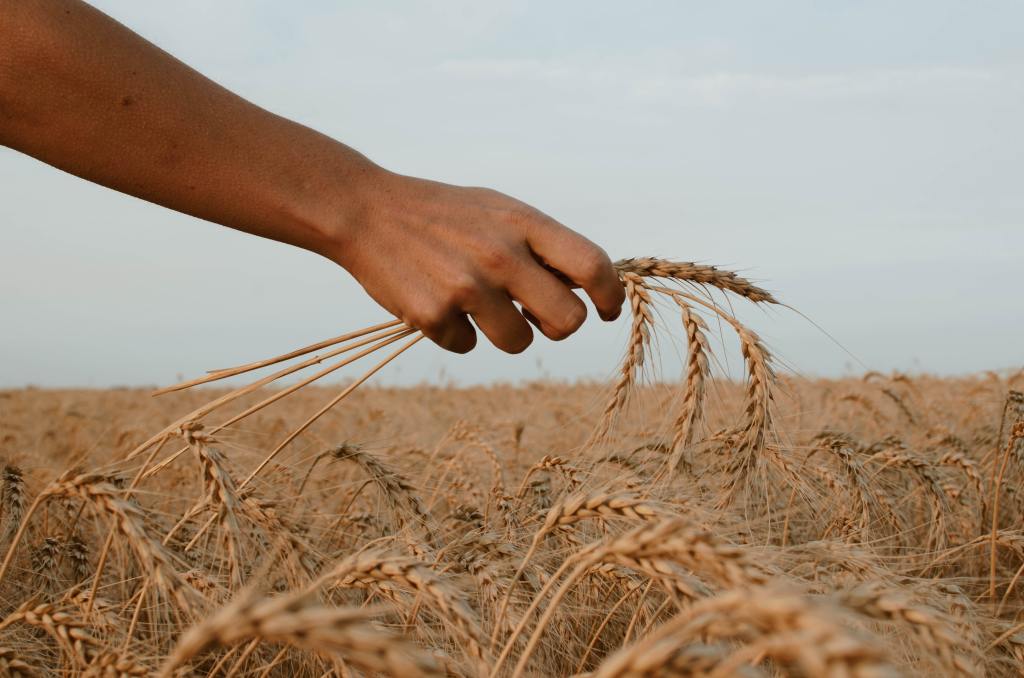
Matthew 15:6-7 – “You do away with God’s Law for the sake of the rules that have been handed down to you. Hypocrites!”

Photo credit: Nathan Lemon

Today’s two chapters cover a wide variety of topics – abuse of power, feeding and healing, doubt and fear, great faith. In some stories, these topics intertwine. Chapter 14 begins with the death of John the Baptist. Abusing his power is nothing new for Herod. Here it costs John his life. At his birthday party, Herod promises “anything” to his daughter-in-law. She asks for John’s head. Jesus learns of this, is grieved, and withdraws to a “deserted place” by himself.

The crowds find Jesus and bring the sick to him. With compassion he heals them. Late in the day, the disciples urge Jesus to send them away to buy food. His response: “You give them something.” The impossible becomes reality as 5,000 men plus women and children eat their fill from 5 fish and 2 loaves. In the end each disciple holds a basket full of leftovers. Later, in chapter 15, Jesus feeds a crowd of 4,000 men plus women and children.

Jesus dismisses the crowd, sends the disciples on across the lake, and goes up the mountain to pray. In the early morning he comes to them, walking on the water during a storm. Here is where Peter walks in the water – until his fears and doubts overcome his faith. Jesus rescues him. Later it is a Canaanite woman, another outsider, who shows great faith, persevering until Jesus heals her daughter.

At the start of chapter 15 there is an encounter between Jesus and the religious leaders. Being “clean” is the core issue. Jesus says, “You do away with God’s Law for the sake of the rules that have been handed down to you. Hypocrites!” His example: man’s rule (giving money to the temple) has overridden God’s Law (honor father and mother.) This too is an abuse of power. Getting to the core issue, Jesus tells the crowd and then the disciples that it is what comes out of the mouth (and therefore out of the heart) that makes one unclean. When one allows evil thoughts, adultery, insults… to form in the heart and then to come out of the mouth, then one becomes unclean. May it not be so.

Prayer: Lord God, like today’s reading, life brings a variety of challenges as we seek to walk faithfully with you. Faith, love, compassion – may these be our guides as we strive to love you and to love neighbor in all the ways we can, in all the times we can. Amen.


Leave a comment

A Fire in the Heart

Reading: Jeremiah 17-20

Jeremiah 17:10 – “I, the LORD, probe the heart and discern hidden motives, to give everyone what they deserve, the consequences of their deeds.”

Chapter 17 begins with a condemnation of the sinful. Judah’s sin is “engraved” on their hearts. God will give their land, wealth, and “all that you treasure” to their enemies. They are cursed because they have trusted in human strength. Contrasted to these are the people who trust in and rely on God. They will be like trees planted by the water – ever fruitful. Verse 10 cuts to the heart of the outcome of Judah’s and our choices: “I, the LORD, probe the heart and discern hidden motives, to give everyone what they deserve, the consequences of their deeds.”

In today’s readings we find a few laments from Jeremiah. Often he expresses trust in God and asks for his tormentors to be punished. In chapter 20 his despair is deeper. He regrets being called by God. He ponders quitting. Yet there is “an intense fire in my heart, trapped in my bones.” He knows well his love of God. Yet he is also weary of the abuse, ridicule… He closes this lament cursing the day he was born. It has led to much “suffering and misery.”

We also have two great visuals in today’s readings: the potter and the clay and the clay jar. At the potter’s house, Jeremiah watches the piece become flawed. The potter smashed it down and starts over. God proclaims the power to “dig up, pull down, and destroy”sinful nations. God also claims the power to “build and plant” new nations. It is the people’s choice which they will be. God responds for them rhetorically, saying, “What’s the use?” They have hardened, willful, evil hearts.

God then uses the clay jar as reinforcement. Jeremiah again speaks of their sins and the coming disaster. The siege will be horrific. In desperation they will eat one another’s flesh. He smashes the jar, saying this is what God will do to Judah. He then repeats these words in the temple. The high priest beats and then imprisons Jeremiah. The life of a prophet is not easy.

Prayer: Lord God, we too are called to speak your word and to offer hard truths at times. It is not easy. We can expect to face trials as Jeremiah did. May you become a fire in our hearts, a passion trapped in our bones. Lead us to stand for you and to be a part of your building the kingdom here on earth. Amen.


Leave a comment

A Sad Saga – Then and Now

Reading: Jeremiah 1-4

Jeremiah 3:11 – “Then the LORD said to me: Unfaithful Israel is less guilty than disloyal Judah.”

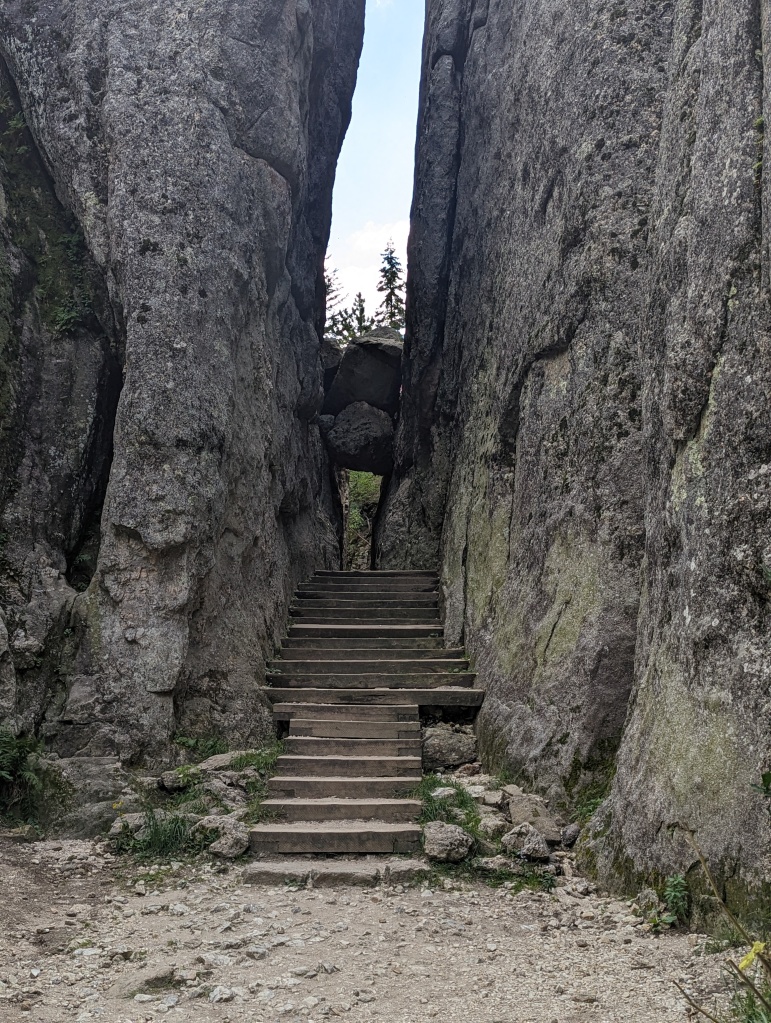
Photo credit: Shane Rounce

Jeremiah begins with context. He ministered to Judah in the years that led up to the exile. The prophet has been claimed since the womb. Even so he tried to evade the call: I’m too young. God says, no, you’ll go where I send you and you’ll say what I tell you. And, don’t be afraid. Prepare for battle, but don’t fear, I’ll be with you. Judah’s sins are laid out. They’ve abandoned God, they worship idols, they think they can save themselves.

In chapter 2 God longs for what could have been. Israel followed God in the wilderness and entered the land of plenty. But they turned away, rebelled, chose Baal over God. Israel forsook the living water and dug wells for themselves – ones that failed, ones that couldn’t hold water. And even though they became skilled at sinning and even though their clothes were stained with the blood of the poor, they still claimed innocence before God.

In response God declared that the prostitute could not return to God. That would be illegal. Jeremiah invites Judah to look at Israel. Her sins led her into exile. Israel has ignored God and received “divorce papers.” Even with this warning and Israel’s example, Judah continued to walk in sin. God declared, Unfaithful Israel is less guilty than disloyal Judah.”

In chapter 4 God offers mercy to Israel, inviting them to return, to get rid of their idols, to choose truth, justice, and righteousness. God invites Judah to break up the rocky soil of their hard hearts, to dedicate themselves to the Lord. They too refuse. Jeremiah then foresees the coming devastation, recalling the state of earth before the creation. The earth will grieve and heaven will grow dark with sadness. But God won’t change the plan. Desolation is coming. And even then, even with this news, Judah still gets all decked out, looking for another lover, seeking to find help on their own. Sadly, this “lover” will be the one who seeks and takes their life.

Prayer: Lord God, what a sad saga we read today. What a tough road Jeremiah had to walk. What a clear choice Judah had before them. And, alas, things are the same today. We have a clear choice: life through you or death by the ways of the world. The Spirit joins your word and your son’s example. And we can still rebel, still be faithless. Lord have mercy. Lord, strengthen us for the battle. Enrich the soil of our hearts. Walk with us, O God. Amen.


Leave a comment

For Me. For Us. For You.

Readings: Psalms 113-118

‭Psalm 118:6 – “The LORD is for me — I won’t be afraid. What can anyone do to me?”

Today’s six Psalms are known as the “Egyptian Hallelujah.” These words of praise were recited each year at the Passover meal. Psalms 113 and 114 were recited before the meal. These Psalms celebrate God’s actions on behalf of the poor and needy and on behalf of Israel during the exodus. Psalm 113 exalts the God who lifts up the poor, who raises the needy, who brings the barren woman the joy of motherhood. These words echo “Hannah’s Song” from 1st Samuel 2 where God acted on behalf of the faithful. Psalm 114 remembers the parting of the sea and river, the bringing of water from the rocks – more signs of God’s faithful love.

After eating the Passover meal, Psalms 115 through 118 would be recited. Although lost in translation, Psalms 115 and 118 were originally written and spoken as call-and-response liturgy. Psalm 115 lifts up God’s power and might, contrasting God with worthless idols who “have mouths, but they can’t speak.” God is Israel’s “strength and shield.” 115 closes with blessings to all. Psalm 116 is a celebration of an individual’s rescue, reminding Israel that God is a personal God too. Because of God’s deliverance the individual will “lift up the cup of salvation… will keep the promises” made to God. Psalm 117 lifts up God’s strong love.

The Hallelujah closes with Psalm 118. The setting is an individual coming to the temple to give thanks to God. This Psalm calls Israel, the priests, and all who honor the Lord to declare, “God’s faithful love lasts forever!” Because of their experience with this in the exodus, the psalmist writes, “The LORD is for me — I won’t be afraid. What can anyone do to me?” God was faithful. God is faithful. God will be faithful. What is to fear?

Verses 22 and 27 are often connected to Jesus – the stone rejected, the light that shined, the offering led to the new altar, the cross. These are echoes found in the ever expanding story of God’s love, reflections on the final Passover lamb.

Prayer: Lord God, today’s words celebrate your presence with your people. Just as you rescued and delivered, just as you provided and made a way, do so for us in our lives too, O God. We seek to walk in your strong and faithful love, a love that lasts forever. Thank you, Lord, for your love. Amen.


Leave a comment

Finding God

Readings: 1st Samuel 4, 1st Samuel 5, 1st Samuel 6, 1st Samuel 7

1st Samuel 5:11 – “Send the chest of Israel’s God away! Let it go back to its own home so it doesn’t kill us and our people.”

Have you ever been around someone who has said something like, “I feel like we should say a prayer or something?” This thought reminds me of Israel at this point in their story. They have a vague notion of God but have no clue about how to really connect to the Lord. As the battle with the Philistines goes badly, they wonder why God would let this happen. But instead of praying or doing anything else that might connect them to God, they decide to bring the ark of the covenant to the next battle. This battle turns out worse. 30,000 die, the ark is captured, and Hophni and Phinehas die. This news causes Eli to fall over dead.

The ark brings nothing but trouble to the Philistines. They put it in their temple and their god Dagon falls over. They set it aright and the next morning it’s toppled again, this time missing its head and hands. The hand of God brings tumors on the people. Finally the Philistines say, “Send the chest of Israel’s God away! Let it go back to its own home so it doesn’t kill us and our people.” The Philistines even include an offering to honor God. At this point they know God better than the Israelites know God. The ark is received back. Time passes and Israel begins to long for God. Something is beginning to stir in their hearts.

Samuel calls the people back to God. He tells them to get rid of their idols and foreign gods. They gather with Samuel at Mizpah. Samuel draws and pours out water. They fast and confess their sins. And the Philistines gather an army. Israel is afraid. They look to Samuel. He prays to God and makes an offering. God brings Israel the victory. Samuel sets up an Ebenezer – a stone of remembering. There is peace. Samuel rules as a judge. All seems well…

Prayer: Lord God, today I’m reminded of how life seems to go when we go it on our own versus walking with you. When I’m tempted to sort of seek you, call me out. Remind me that it is my whole heart, soul, and mind that you seek. Pour those temptations out like water and draw me to the rock of faith that is a sure foundation. Amen.


Leave a comment

Faithfully (?) Forward

Readings: Numbers 19, Numbers 20, Numbers 21

Numbers 21:34 – “Don’t be afraid of him, for I have handed over all his people and his land.”

Photo credit: Felipe Correia

As we continue into Numbers 19-21 we begin to see the people learning some of the rules of the road. There are still times when the step forward is followed by a step back. Yet they are finally beginning to move forward and to better understand what God requires and expects of them as a holy nation.

Chapter 19 contains more instructions. It begins with instructions on how to make the waters of purification. A flawless, unworked red bull is slaughtered… Its ashes are mixed with water, creating a holy water that can be used to purify uncleanliness. Next comes an application of said water. This water will be used to purify people and things that come into contact with a dead body, making them unclean for 7 days. On days 3 and 7 all that is unclean is sprinkled by the water. On day 7 unclean people bathe and wash their clothing, allowing them to return to community life.

At the start of chapter 20 Miriam dies and is buried. There is no water there. Complaints arise. God tells Moses and Aaron to gather the people and to tell the rock to provide water. God’s glory will be revealed. Instead, Moses strikes the rock, in essence claiming that he and Aaron brought forth water. God then declares that Moses will not enter the Promised Land because of his disobedience. Moving on the Israelites ask for safe passage through Edom. The king refuses and comes out in force to prevent their passing through. They begin the long trek around Edom. Aaron dies along the way on Mount Hor. Leadership as high priest is passed on to his son Eleazar. Israel mourns 30 days for Aaron.

In chapter 21 the Israelites are attacked and they seek God’s help. God gives them the victory! And they follow this up with more complaints about another lack of water. God responds by sending poisonous snakes into the camp. This serves as a wakeup call. The people repent, Moses prays, God saves. After marching for a bit, the Israelites offered up songs of praise and thanksgiving. This is followed up by a crushing defeat of the king of Sihon. As the next battle draws near, God says, “Don’t be afraid of him, for I have handed over all his people and his land.” Victory over Og follows. Israel now possesses all of the lands east of the Jordan – the natural barrier into the Promised Land. The journey is nearing its close.

Prayer: Lord God, while all is not perfect and is, in many ways still far from it, we are beginning to see signs of faith and trust poking out here and there. Israel is yet a work in progress here. So too are we, O God. Guide and lead our journeys of faith too. Build up our faith and trust in you as we learn to live faithfully and obediently. Amen.


Leave a comment

Questions

Readings: Exodus 15:22-27, Exodus 16, Exodus 17, Exodus 18

Exodus 16:8 – “Who are we? Your complaints aren’t against us but against the LORD.”

Coming fresh off of the amazing rescue at the sea, today we become familiar with an oft-repeated pattern in the wilderness. The Hebrews are lacking in something so they argue/complain/grumble against Moses. Moses, often in frustration, turns to God and God provides food, water, protection… We often see a version of this played out in our lives, just without Moses as the middle man. We go straight to God with our grumbles, complaints, charges…

At Marah the water is bitter. God makes it sweet. Those hardships or challenges that become blessings? We experience these too, don’t we? Then, in the Sin Desert, hunger sets in. They long for the meat and bread of slavery. Ever look back in the good old days? God provides meat and bread. These come with instructions. These begin to establish the Sabbath. It was not possible in Egypt. As slaves of another they worked 7 days a week. We have a choice. Do we allow ourselves to be controlled by work…? Or do we honor God and ourselves in sabbath rest?

After preserving some manna for future generations, the Israelites travel on to Rephidim. No water. They accuse Moses (read: God) of bringing them out into the desert to die of thirst. Moses hits the rock at Horeb with his staff -> water comes out! Then Amalek comes to fight them. Joshua leads the troops into battle as Moses, Aaron, and Hur go up the mountain. The staff, now held aloft, continues to represent God’s presence. Aaron and Hur help Moses and God gives Israel victory. This leads into Jethro’s visit and suggestion. He sees Moses is too busy. He won’t last like this. Following his wise father-in-law’s advice, Moses appoints judges, sharing the load. God shared the load in battle. Moses shared the load with others. Which kind of sharing is harder for you? What did you learn today about sharing?

Prayer: Lord God, it is a little scary to see how little we’ve changed since Moses’ time. We get caught in nostalgia, we lose faith quickly, we question your love. Today I thank you so much for your enduring patience through the generations and for your great patience with me. Teach me to turn quicker to you and to hold onto your hand longer and more steadily. Amen.


Leave a comment

Glorious and Beautiful – One Day and Now

Reading: Revelation 7:9-17 (Link only partial. Sorry.)

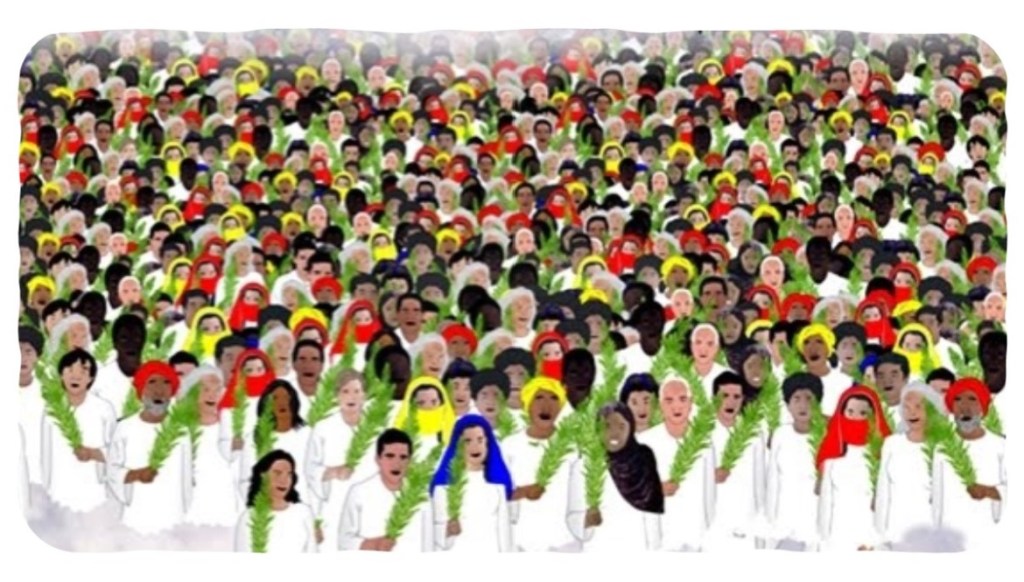
Verse 9: “There before me was a great multitude that no one could count, from every nation, tribe, people and language.”

As we turn to John’s book of Revelation we turn to a vision that gives hope for eternity, offers a picture of the kingdom of God, and calls us to a glorious kingdom here on earth. Our passage today and much of the book of Revelation is a “then, now, and will be” vision.

John sees a “great multitude” gathered in heaven – far too many to count. In this vast crowd there are people “from every nation, tribe, people, and language.” Oh how the religious leaders of yesterday’s text must’ve cringed when they first heard of this vision of heaven! But what a beautiful picture of heaven it is! One day we will be gathered with a representation of all of humanity. To John’s audience this was a reminder that they do not suffer alone. Many all around the world suffer alongside them. To us it is a reminder to work to make our churches and faith communities look more like the actual community all around us.

The scene in our passage is filled with worship. The multitude, the angels, the elders, and the four living creatures all worship God and the Lamb. They joyously offer praise and thanksgiving and adoration. This scene is “church” at its finest and most glorious. Next an elder identifies those in “white robes” as those who have gone through the “great tribulation” – the suffering and persecution and trials of this life. The passage closes by contrasting this life with the life to come. In glory there will be no hunger or thirst, no oppression or suffering. God will “wipe away every tear” and the Lamb will lead us “to the springs of living water.” What hope these words gave to John’s audience. What hope these words give to all who long to one day be redeemed by Jesus Christ. Oh what a glorious and beautiful day that will be. Thanks be to God.

Prayer: Lord God, thank you for the hope that today’s passage gives. Thank you for the seed of what will be. But, God, help us to see that this vision is also a vision for today and an understanding for our time now. As we hold onto our hope for eternity, guide us to expand the kingdom here and now. Use us to satisfy hunger and thirst now. Use us to end oppression and suffering now. Use us to make our churches and communities more like the kingdom to come. Amen.


Leave a comment

Heart Treasure

Reading: Luke 12:22-34

Verse 33: “Provide purses for yourselves that will not wear out, a treasure in heaven that will never fail.”

Yesterday we looked at Paul’s invitation to strain forward towards the prize that we will one day receive in heaven. Along this journey we can face many challenges. Sometimes we get stuck. This happens most often when the things of this world rise up, getting in the way of our faith. So today we turn to Luke 12 to hear Jesus’ words about an emotion that can be very hard to deal with or to push past: worry. We often get stuck when we become overly focused on our “stuff” – the things that make us feel safe and secure. Instead of looking heavenward, though, we choose to concern ourselves with the things of this world.

Jesus first addresses our basic needs: food, water, clothing. He begins with the ravens. Look how God feeds them! Jesus then points to the lilies – look at their splendor! With both examples, Jesus reminds us that we are far more valuable than birds or “the grass of the fields.” God knows we need these things and will meet our needs. Next, we are reminded to first seek the kingdom of God – the things not of this world. This is the greater need. Here too Jesus offers encouragement: “Do not be afraid, little flock, for your Father is pleased to give you the kingdom.” This calls us to trust.

Jesus then addresses our actions step: “Sell all your possessions and give to the poor.” This action step sits at the core of who and what we trust. It calls us to trust at the deepest level. Like Abel, who gave to God from the firstborn lambs in Genesis 4, and like the widow who gave all she had to live on in Mark 13, can we also offer up our possessions to God, trusting that God will provide? Doing so we will “provide purses that will not wear out” for ourselves. Doing so, we will lead with the heart, the true source of our treasure – our faith in Jesus Christ.

Prayer: Lord God, we know that you love us beyond our understanding. We know that you care for us and for our well-being. We know the promises of presence and of resurrection life. Help us to loosen our grip on the things of this world, freeing us to better grasp the things of heaven. Amen.


Leave a comment

In Moses’ Place

Reading: Exodus 17:4-7

Verse 4: “What should I do with this people? They are getting ready to stone me.”

Photo credit: Clay Banks

Continuing in Exodus 17 we see that the Israelites continue their grumbling. They ask Moses if he really led them into the wilderness just to die of thirst. Did they really think that this was the plan? They are frustrated. Step after step has required going to God for some kind of intervention. And that step requires working through Moses. The people aren’t the only ones frustrated – and afraid and unsure. Moses cries out to God, saying, “What should I do with this people? They are getting ready to stone me.”

God responds but doesn’t directly address any of the frustration. There isn’t any reaction to the grumbling, quarreling, or crying out. God simply meets the need, this time for water. In doing so God also provides reassurance and evidence that God is with Moses, the chosen leader, and that God is with the Israelites. With elders along in witness roles, Moses strikes the rock at Horeb with his staff, providing water for all to drink. In this action, God gives answer to the question, “Is the Lord among us or not?”

At times we find ourselves in the place of Moses, responsible for making a decision or for taking action. Many will be looking to us. Our choice will affect others – maybe many others. In these places may we follow Moses’ example: go to God, gather trusted leaders, lead as God directs. Following these steps we too will show that, yes, God is among us.

Prayer: Lord God, lead and guide me in the decisions, actions, and choices that come before me. Draw me first to you, seeking your wisdom and direction, wanting to know your will and way. Bring around me good and trustworthy leaders, people who also have a heart for you. Together lead us forward in faith. Amen.