pastorjohnb

Thoughts and musings on faith and our mighty God!


Leave a comment

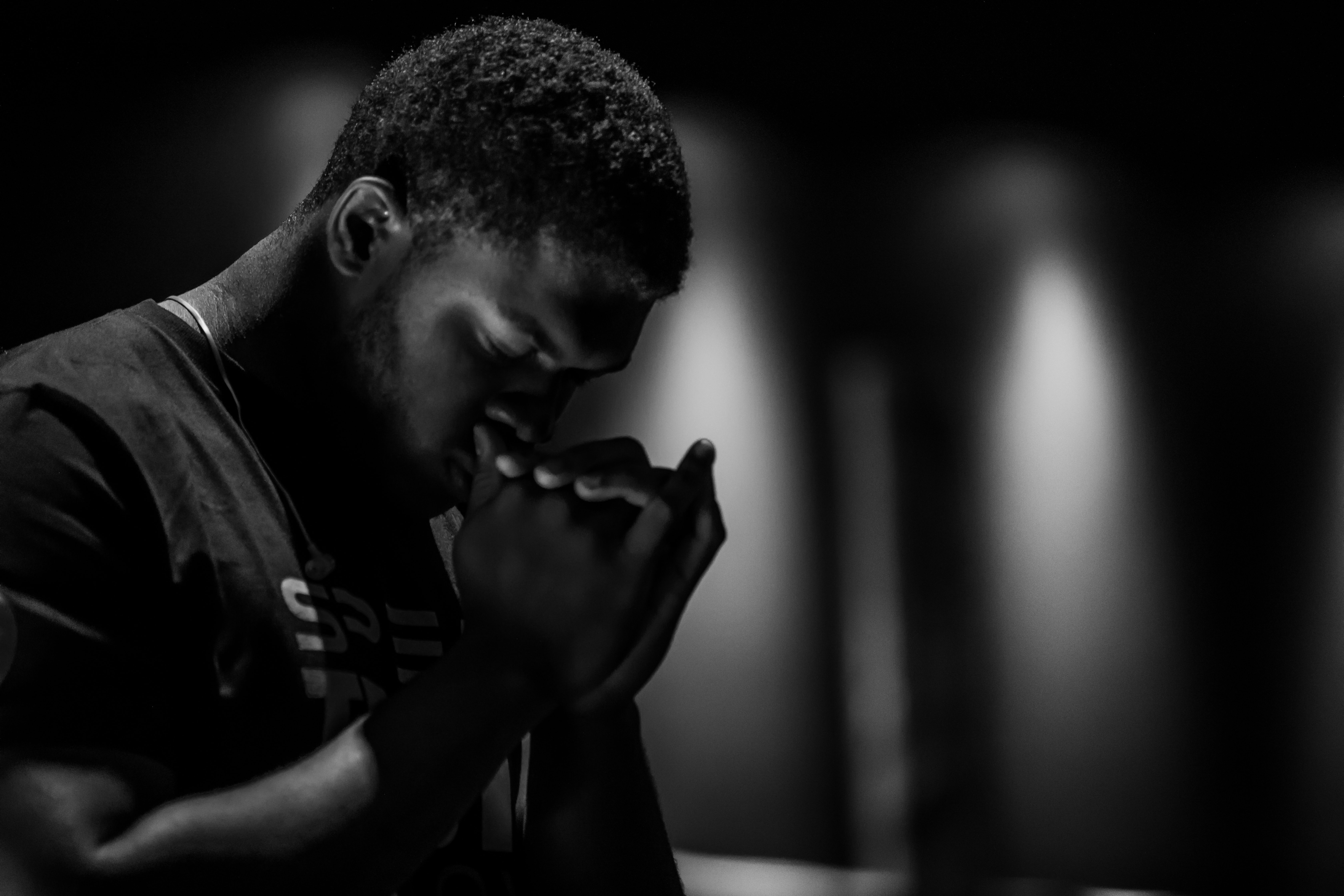
Powerful Prayer

Reading: James 5:13-18

James 5:16b – “The prayer of the righteous person is powerful in what it can achieve.”

Today’s verses from James 5 fall under the heading “Final Instructions.” These words are a reminder to keep prayer at the center of our faith. James begins with two extremes. If we are suffering, then pray. If we are happy, then pray. Implied is this: If we are anywhere in between these extremes, then pray. God desires that our prayers are a constant conversation with God. This desire is not for God’s benefit but for ours.

James then turns to the power of corporate or intercessory prayer. When we are sick or when one we love is sick, we are to gather the elders or leaders of the church (by example not by virtue of title) to pray over the one who is sick and to anoint them with the oil of God’s blessing. James tells us, done from a place of sincere faith, this will lead to restoration of health.

The idea of living our faith together extends into the confession of our sins. James connects this practice to healing. When we harbor sin in our lives or when we are holding onto anger or hurt because of someone else’s sins against us, then we are not coming to pray in faith. This echoes Jesus’ words about being reconciled to one another before approaching the altar of God (Matthew 5:23-24.)

Connecting into the miracle of rain through Elijah’s faithful prayer, James writes, “The prayer of the righteous person is powerful in what it can achieve.” May this be true if us and of our prayers to God on high.

Prayer: Lord God, lead and guide us to be people of prayer. Draw us deep into regular time with you, sharing our joys and concerns, our sins and our thanksgiving. Through shared prayer draw us closer to one another, deepening and strengthening the bond of love. Thank you, Lord. Amen.


Leave a comment

Anointed for Service

Readings: Leviticus 8:10-12 and 1st Samuel 16:6-13

1st Samuel 16:13 – “So Samuel took the horn of oil and anointed him… The Lord’s Spirit came over David from that point forward.”

During the high priest’s ordination Aaron is cleansed and then dressed in the tunic, robe, vest, chest piece, turban, and gold flower ornament. Dressed for service to the Lord, Moses first anoints the Tabernacle and all in it – the altar and its equipment, the basin and its base. As Moses anoints these items, they are made holy. Lastly, Moses pours anointing oil on Aaron’s head, making him holy. This anointing proclaims Aaron’s special standing before the Lord on behalf of Israel.

In the first verse of 1st Samuel 16, God tells Samuel to fill his horn with oil and to head to Bethlehem, adding, “I have found the next king.” In today’s second reading we join the story as Samuel arrives at Jesse’s house. Eliab begins the procession before Samuel. Tall, strong, the oldest – he must be the one. God says no. God tells Samuel that God looks past physical appearance and looks into the heart. Seven sons pass before Samuel. He anoints none.

I imagine an awkwardness settled over the room. Samuel has to ask Jesse, “Is that all of your boys?” Well, no. The youngest is brought in from tending the sheep. God says, “That’s the one.” In the next verse we read, “So Samuel took the horn of oil and anointed him… The Lord’s Spirit came over David from that point forward.” Anointed, David is filled with God’s presence, readied for service. Anointed, Aaron is able to stand in God’s presence. Today may we be anointed by God’s Holy Spirit, set apart for service in the kingdom of God.

Prayer: Lord God, in days of old you called those you chose, anointing them with oil, claiming them as your own. In these days, pour out your Spirit upon us, your children. Empower and embolden us to live out our faith in the world, serving you and neighbor as we share your love with those in need, as we bring your light to those dwelling in darkness. Amen.


Leave a comment

Together

Readings: James 5:13-18 and Galatians 6:1-2

James 5:16b – “The prayer of the righteous person is powerful in what it can achieve.”

As we wrestle with the practice of prayer this week, today we receive guidance on how, when, and why. In James we read of when to pray: when suffering, when sick, when struggling with sin. This list is, of course, not all-inclusive but illustrative. There are many other situations that call for the power of prayer.

James encourages us to be a part of our prayers too. We are to pray together. We are to gather with other believers and to anoint the sick with the oil of blessing. We are to confess our sins to one another, and then to pray for each other. This adds both support and accountability to our walk of faith. For James, prayer should lead us to action when possible because prayer should move our heart. In the last part of verse 16 he writes, “The prayer of the righteous person is powerful in what it can achieve.” This is because prayer works both in the life of the one prayer for and in the life of the one who is praying.

In Galatians 6 Paul also addresses the call to hold one another accountable when we fall short. Paul tasks the faithful with restoring one another. A spirit of gentleness should guide our actions. After a reminder to be cautious of the temptation that comes from being near sin, Paul encourages us to carry each other’s burdens. Doing so we “fulfill the law of Christ.” We carry and fulfill through both action and prayer, physically and spiritually strengthening our brothers and sisters in Christ. May it be so.

Prayer: Lord God, community is so important to our faith. Yes, we can walk in relationship with you by ourselves. But it is so much richer, so much easier, to walk with others in faith. Together we are stronger. Together we receive and give to one another, encouraging, supporting, lifting, sharing. O Lord, guide us to live our faith together in community. Amen.


Leave a comment

God is with Us

Reading: Psalm 23:4-6

Psalm 23:6a – “Goodness and faithful love will pursue me all the days of my life.”

Photo credit: Felipe Correia

Today we turn to one of the most well-known scriptures in the Bible as we wrestle with the idea of heaven this week. The 23rd Psalm is a staple during those sacred moments when we gather to celebrate a faithful life well-lived and to comfort and encourage the grieving. These words of David resonate with God’s presence in our lives and with God’s love and care for us.

Verse 4 reminds us that God is present in the “darkest valley.” As we walk through dark moments – pain, grief, loss, illness, unwanted change… – God walks with us. David speaks of having no fear. This comes partly from God’s presence but also from God’s role as protector. The “rod” keeps the physical enemies at bay while the “staff” keeps spiritual enemies at bay.

The idea of a great wedding banquet comes to mind again as we read verse 5. The oil of God’s blessing anoints the head and the cup spills over. Abundance is the norm at God’s table. This brings to mind one of our common understandings of heaven. It is the great feast spoken of by the Prophets and by Jesus.

The idea of heaven on earth flows through verse 6. God, here represented by “goodness and faithful love,” pursues us “all the days of my life.” God is always seeking us out. The Psalm closes with rejoicing. David rejoices over his daily dwelling with God. For us today, this dwelling has become an indwelling of the Holy Spirit. God is with us here and now. Thanks be to God.

Prayer: Lord God, we are so grateful for your daily walk with us. We are thankful that you not only pursue us but also protect us, guide us, and draw us back to you when we wander. You bless us in so many ways. Thank you for your unending love and care. Amen.


Leave a comment

Light and Love to the World

Reading: 1st John 1-3

1st John 3:9 – “Those born from God don’t practice sin because God’s DNA remains in them.”

The opening of 1st John echoes the words and feel of John’s gospel: from the beginning, life was revealed, fellowship with the Father and Son. There is also his firsthand testimony to Jesus’ life. “We” have seen him, heard him, touched him.

John then launches into “living in the light.” Jesus is the light and in him there is no darkness. Living in the light we have fellowship with Jesus and with one another. Living in the light we find forgiveness of sins. John adds, “The one who claims to remain in him ought to live like him.” We should strive to emulate Jesus’ example. As we read on, John equates living in the light to two things: loving God/others and keeping God’s commands. If we love our brothers and sisters, then we remain in the light. But if we hate our brothers and sisters, then we are living in darkness (or sin.) Similarly, if we love the things of this world instead, then we are of the world, living in darkness.

1st John briefly addresses the “antichrists” that have come from within the faith communities. These false teachers have distorted the good news, denying God. John reminds the believers of the Spirit’s anointing that keeps them in relationship with God. This relationship is rooted in love. It was love that makes us God’s children. It is love that keeps us from sinning. In 3:9 John connects these dots, writing, “Those born from God don’t practice sin because God’s DNA remains in them.” The Spirit of God, dwelling in our hearts, empowers us to live and to keep the commands. Echoing James’ words, John encourages us to lay self down for others, loving in action and truth. May it be so for you and for me.

Prayer: Lord God, as you have loved us, making us part of your family, may we love others, drawing them into the family. Empower us to love well as you guard our hearts against loving the things of this world. May we be light to the darkness of this world, love to the hate. Amen.


Leave a comment

Believe

Reading: John 11 and 12

John 11:25 – “I am the resurrection and the life.”

Photo credit: Kyle Johnson

Lazarus is the focus of most of chapter 11. He falls ill and Mary and Martha send for Jesus. He stays where he is at. Only when Lazarus has died does Jesus head for Bethany. Many Jews come to mourn. As Jesus nears, Martha hears and goes out to meet him. She says as Mary will later say, “Lord, if you had been here…” They believe that Jesus could have healed their brother. While true, there is a greater plan at work. Jesus tells Martha, “I am the resurrection and the life.” To believe in Jesus leads to eternal life. We will all die in the physical sense as our body passes into death. After weeping with Mary and Martha, Jesus calls for the stone to be removed. This is a test of their faith. Do they believe that Jesus’ power can reach beyond the stone of death?

Jesus calls Lazarus out of the tomb. Many come to believe. But typical of the division in John, others go to the Pharisees with the news. They fear that a miracle like this will lead to a loss of control, which will lead the Romans to take action. The religious leaders know that Jesus would not play their game. So they decide that Jesus must die. Jesus withdraws to a secluded place for a time.

As the Passover nears, Jesus goes to Bethany. At a dinner at Lazarus’ house, Mary anoints Jesus’ feet with expensive perfume, preparing him for burial. A greedy Judas protests. The next day Jesus enters Jerusalem. A great crowd celebrates his humble entry. The Pharisees lament, “Look! The whole world is following him!” This kingship is different. Jesus speaks of a single seed falling and dying. Only then can it “bear much fruit.” Jesus reminds the people that he came to be light in darkness and that he came not to judge but to save.

Prayer: Lord God, help us to believe when we have not seen. The signs – we can read about them and trust that they happened. Your words is true. Lord, touch us and our lives with your presence and with your Spirit. May we feel the light and life within us, leading us to believe. May we walk daily with your Holy Spirit. Amen.


Leave a comment

Real Stories

Reading: Mark 14

Mark 14:31 – “But Peter insisted, ‘If I must die alongside you, I won’t deny you.’ And they all said the same thing.”

Just before the Passover, Jesus is in Bethany. A woman anoints Jesus with some very expensive perfume, preparing his body for burial. Although the disciples think this is a waste, Jesus defends her and tells them that her actions will be remembered and told as part of the good news. Judas leaves and agrees to betray Jesus.

Gathering the 12, Jesus celebrates the Passover. Again his instructions about how and where come true. Jesus announces his betrayal and they all ask, “It’s not me, is it?” While eating the meal Jesus says of the bread, “Take, this is my body.” Taking the cup, he says, “This is my blood of the covenant, which is poured out for many.” After singing praises, they head out to the Mount of Olives.

There, Jesus tells them they will all fall away. Peter boldly declares his loyalty to Jesus. But Jesus says to Peter, before the roosters crowd twice you’ll deny me three times. Peter insists, “If I must die alongside you, I won’t deny you.” The other eleven say the same thing. Yet when asked to pray with and for Jesus, they all fall asleep. Jesus struggles with the coming suffering, yet remains committed to God’s plan and purposes.

Judas then comes with a mob and betrays Jesus with a kiss. Jesus is arrested and all the disciples run away. We too profess a faith willing to die for Jesus yet in those moments when discipleship has a cost, how often we too run away. A sham trial seals Jesus’ fate. It is Jesus’ words of truth that actually condemn him.

We close today with Peter living our Jesus’ words. Three times Peter denies being with Jesus. The rooster crows. Peter recalls Jesus’ words and breaks down in tears. We too are familiar with failing Jesus and with the feelings of remorse. They too are signs of our humanity. And they are a step on the path of mercy and grace. Thanks be to God for both.

Prayer: Lord God, how real today’s stories are. Sometimes we are the woman – a part of a story of faith. Sometimes we are Peter – sure of our rock solid faith yet so vulnerable to fear. And sometimes we’re Judas – betraying you with our words and actions. No matter what, though, you love us just the same. For your great and unconditional love, we say thank you. Amen.


Leave a comment

Bold Words

Reading: Matthew 26

Matthew 26:35 – “Peter said, ‘Even if I must die alongside you, I won’t deny you.’ All the disciples said the same thing.”

In Matthew 26 we move into Jesus final days. He announces that in two days he will be handed over and crucified. Matthew notes that the chief priests and elders don’t want it to happen during the feast – they fear the people’s reaction. But it will happen as Jesus said and as God has planned.

That night at the house of Simon (formerly the leper), a woman anoints Jesus’ head with very expensive perfume, preparing him for burial. The disciples see it as a waste, but Jesus commends her actions. Judas then goes and agrees to betray Jesus. The next day Jesus and the disciples celebrate the Passover meal. Jesus tells them that one of them will betray him and Judas is eventually identified. Jesus then offers the first communion. Judas is still there. They sing some songs and then go to the Mount of Olives.

Jesus tells them that they’ll all fall away that night. Peter says he’ll never stumble. Jesus tells him that he’ll deny Jesus three times that night – “before the rooster crows.” Boldly Peter says, Even if I must die alongside you, I won’t deny you.” The others echo this sentiment. Jesus moves to the area known as Gethsemane to pray, inviting the disciples to “keep alert” as they join him in prayer. They sleep. Jesus wrestles with the suffering to come but ultimately prays to God that this will be “what you want.” Awakening the disciples, Judas and the crowd arrive.

Identified with a kiss, Jesus is arrested. All is to fulfill the scriptures. All the disciples run away. Jesus is taken not to the temple but to the home of Caiaphas, the high priest. Peter follows at a distance. It is at a distance that he will boldly deny Jesus three times. The fake trial ends with the religious leaders hitting and spitting on a condemned Jesus. Funny how their literal actions mirror what the disciples did to Jesus, figuratively speaking. Sadly, at times, we do the same.

Prayer: Lord God, the sad but glorious ending begins to unfold. Human weakness, pride, jealousy, betrayal – all are present. Obedience, trust, faith, courage – all present as well. Lord, help us to be like you instead of like the religious leaders and like the disciples in their moments of fear. Lord, empower our faith and trust, our obedience and courage. May our words and our actions be bold. Amen.


Leave a comment

Things Feel Good… Until…

Readings: 2nd Kings 8:16-29, 2nd Kings 9, 2nd Kings 10

2nd Kings 9:6-7 – “I anoint you king over the LORD’s people, over Israel. You will strike down your master Ahab’s family.”

Photo credit: Falaq Lazuardi

As we begin our readings Jehoram becomes Judah’s king. He does evil. Edom and then Libnah rebel. Jehoram dies and Ahaziah becomes king. He does evil. He joins Joram, Israel’s king, in a battle against Aram. Joram is injured and withdraws. We don’t know how the battle turns out.

In chapter 9 the focus shifts to Jehu. Elisha sends a fellow prophet to anoint Jehu king of Israel. He instructs Jehu to strike down your master Ahab’s family.” Jehu and his men head towards Jezreel. Joram sends two chariots out to see if they come in peace. Neither returns so Joram and Ahaziah head out to see. Jehu asks how could there be peace with all of Jezebel’s sins? Joram and Ahaziah are killed as they flee. Jezebel greets Jehu rudely from an upper window. He asks the officials there with her if they’re on his side. They throw Jezebel out the window. Her body is later devoured by dogs, fulfilling Elijah’s words.

Next Jehu cleverly but brutally disposes of Ahab’s 70 sons. He then kills all others who belonged to Ahab as well as Ahaziah’s brothers. Jehu then turns his focus to the Baal worshippers. He claims to be a super Baal worshipper and calls for a huge sacrifice to Baal. All who follow Baal flock in. “No one stayed home.” 80 soldiers mercilessly kill them all and then destroy the Baal temple and all that was inside of it.

Jehu has done much to remove evil from Israel. Things feel good. Until we turn to 10:29 – “However, Jehu didn’t deviate from the sins that Jeroboam… had caused Israel to commit.” Jehu’s family will reign for four generations. Meanwhile, God begins to whittle down the size of Israel.

Prayer: Lord God, so much heads in the right direction, and, then, evil. I am reminded of David’s great sin. But there is no repentance here with Jehu. We too will strive to walk in your ways, O God, only to stumble and fall. In those critical moments, draw our hearts to a place of repentance. Guide us to humble ourselves and to rejoin you in our walk of faith. O Lord, may it be so. Amen.


Leave a comment

A Leader, A Remnant

Readings: 1st Kings 17, 1st Kings 18, 1st Kings 19

1st Kings 19:18 – “I have preserved those who remain in Israel, totaling seven thousand — all those whose knees haven’t bowed down to Baal.”

Photo credit: Paul Pastourmatzis

In today’s readings God returns to the scene in mighty ways. Suddenly Elijah is on the scene. His first act is to tell King Ahab that drought is on the way. Then he runs and hides. Elijah is filled with God’s Spirit and is very compassionate for the Lord. And he lacks confidence at times. His faith wavers between great and almost non-existent.

After providing for his needs in the wilderness, God then sends him to the widow at Zarephath. She is out gathering wood to prepare one last meal for her and her son. Elijah asks her for bread, asking her to trust God. She gives him bread and God provides for her faith. But her son grows ill and dies. She questions Elijah. He questions God. But then Elijah prays and asks God for help. God restores the boy back to life. The widow has faith in this man of God and in his God.

Elijah is then sent to Ahab – the one who has been searching for him. Obadiah reluctantly arranges a meeting. Ahab meets the “trouble maker” but Elijah counters, identifying Ahab and Israel as the ones who have deserted God. A contest is set up. The prophets of Baal prepare their bull and they pray and dance. Elijah teases them. They cut themselves and shout to Baal. Nothing. Elijah repairs the altar using twelve stones, prepares the sacrifice, and has water dumped upon it three times. Elijah prays to God. Fire falls and consumes everything. The people exclaim, “God is real!” The prophets of Baal die. He tells Ahab rain is coming. Six times Elijah’s servant looks for a cloud. On the seventh time, a small cloud has formed.

Jezreel is not happy about what happened at Mount Carmel. She threatens Elijah. He flees. Even though he’s ready to die, God provides as he makes his way to Mount Horeb. God asks, “Why are you here?” – Why are you afraid? God then teaches him an important lesson. God comes – not in the wind, not in the earthquake, not in the fire – but in the still and quiet. God has a plan. He tells the one who feels all alone, “I have preserved those who remain in Israel, totaling seven thousand — all those whose knees haven’t bowed down to Baal.” Elijah anoints Jehu as priest and Hazael as king. He goes to Elisha and throws his coat on him. Elisha accepts the invitation to follow. God is at work.

Prayer: Lord God, thank you for reminding Elijah and Israel and us of your presence, power, and might. Yet even with such reminders we can be like Elijah – our compassion for you quickly turning to fear and doubt. Help us to remember better. Lead and guide us to a sure and steady faith in you. Amen.