pastorjohnb

Thoughts and musings on faith and our mighty God!


Leave a comment

Every Day…

Reading: Acts 2:46-47

Acts 2:46-47 – “Every day, they met together… shared food… they praised God… and demonstrated God’s goodness…”

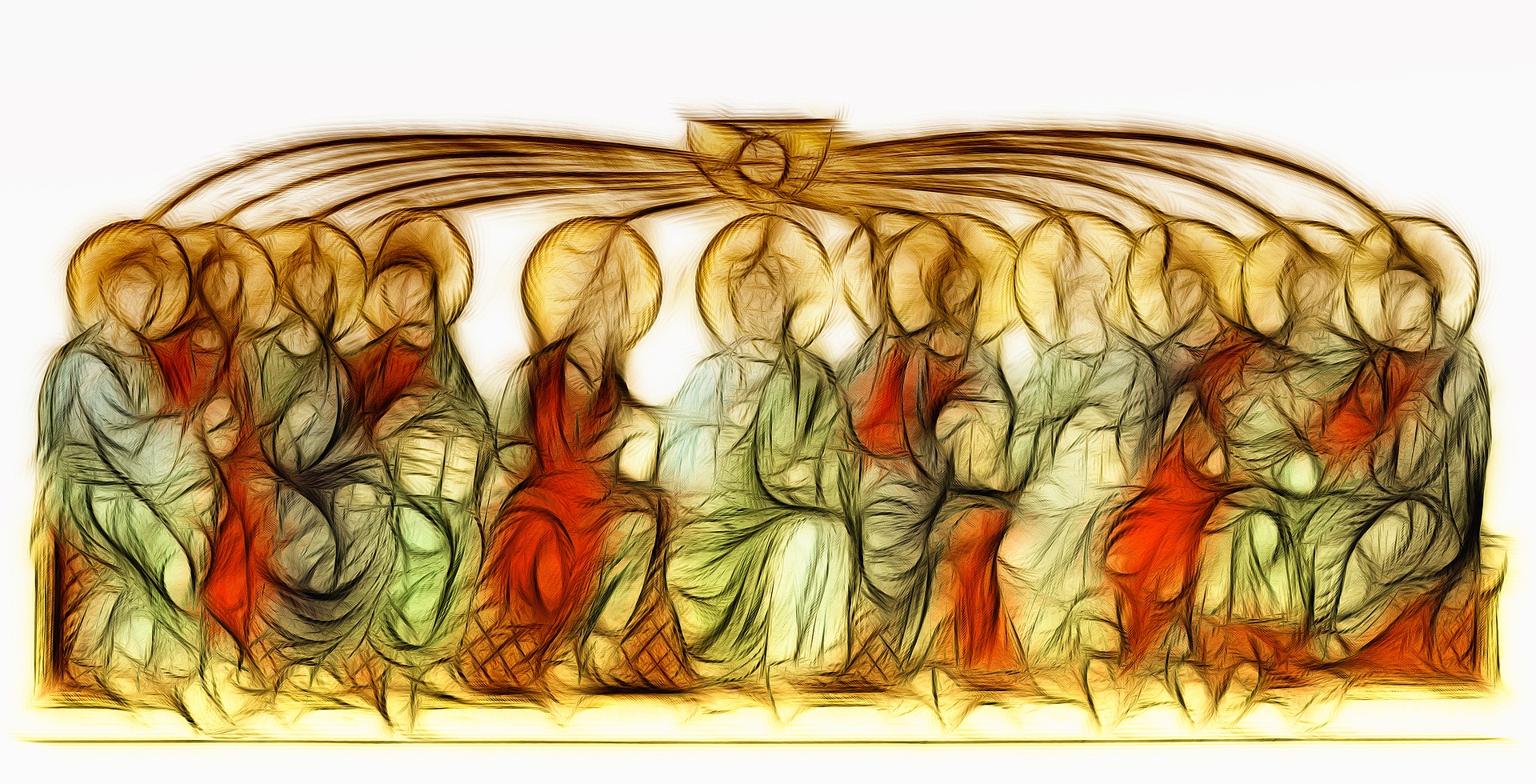
Photo credit: Spencer Davis

Returning to Acts 2 today, Luke emphasizes the importance of all four spiritual practices or disciplines. He also focuses on the intended communal nature of these practices. Luke first notes that the believers met “every day.” The main purpose of their gathering was to proclaim the good news of Jesus Christ. This often happened in worship. Today, in our busy, rushed world, not too many of us gather daily with other believers. Yes, we might all read the same devotional asynchronously, the Upper Room for example, but imagine how our faith would change and grow if we gathered each day to proclaim and celebrate the good news of Jesus Christ!

The believers also gathered daily to share meals. This was most likely an extension of their worship or study time. In our church and in many others we gather after worship for fellowship time. Around the tables we have a coffee or lemonade and a nibble or two and we catch up on one another’s lives. We celebrate the joys of life and we learn of one another’s needs. This enables the body of Christ to “demonstrate God’s goodness” through acts of love. Sometimes, at the table, we learn of a neighbor’s need or of a need in the larger community. This allows the love of Christ and the goodness of God to extend out into the world.

These four practices should be the core activities of all believers and of all communities of faith. Without one of these, the others are less than God intends them to be. When all four practices are healthy and vital within the life of the believer and within the life of the body of Christ, then the Lord will again do what God did in Luke’s day. Then, God “added daily to the community those who were being saved.” O Lord, stir up in us and in our communities this kind of faith, this kind of revival!

Prayer: Lord God, there is a call within these words of Luke to gather regularly. This feels almost impossible in our day and age. Yet it also feels like your intention for all believers. It’s what Jesus modeled and lived out every day. So Lord, open our eyes, widen our hearts, and bend our wills towards making this more of a reality in our lives and in our communities of faith. Stir us up, O God, so that faith is more than a Sunday morning event. Amen.


Leave a comment

Devoted?

Reading: Acts 2:42-45

Acts 2:43 – “A sense of awe came over everyone. God performed many wonders and signs through the apostles.”

Today and tomorrow we walk with the early, early church. The Holy Spirit has just come upon the apostles and other believers. In the opening verse we see what the first “church” was like. They studied the word of God and the example of Jesus. They gathered regularly to be in fellowship and to share meals. They spent time in prayer. To all of these practices of faith, “they devoted themselves.”

Before pressing on in the passage, we must ask ourselves a few questions. Does this sound like your church or community of faith? Are the people in your community of faith devoted to these practices? And are you, an important part of the body of faith, are you personally devoted to giving daily and regular attention to these practices of the faith? Devotion to the spiritual disciplines, as individuals and as a community of faith, it is a necessity if verse 43 is to be realized in and amongst us.

In verse 43 we read, “A sense of awe came over everyone. God performed many wonders and signs through the apostles.” The sense of awe and the signs and wonders – these are the actions of God. We cannot in any way manufacture these things. The awe, signs, and wonders are, if you will, God’s “response” to our faithful devotion. When we are faithful to the practices of our faith, we open ourselves up to God working and acting in our lives and in our faith communities. The Spirit at work then leads to unity, to caring well for one another, and to the revelation of God’s goodness in the world. These faith practices will, in turn, lead to adding to the community “those being saved.” So, again, the questions: Are you and is your faith community devoted to these regular practices of the faith?

Prayer: Lord God, pour out your Holy Spirit upon us, upon our faith communities, and upon our neighborhoods. Filled with your Spirit, increase our devotion: to you, to the example of Jesus, to the community of faith, and to the unsaved world. Draw us day by day closer to you so that you may use us and our communities of faith in more and more transformational ways. Amen.


Leave a comment

Doing “What Is Right”

Reading: 2nd Thessalonians 3:11-13

2nd Thessalonians 3:13 – “We command and encourage such people to work quietly and put their own food on the table.”

As we add a few more verses to yesterday’s reading we continue with Paul’s charge to live a disciplined life. Some in these churches are not doing so. This is frustrating those who are doing so. This scenario is present in our churches today. At this time, some who are fully able to work are choosing not to. Paul is not addressing those who are incapable of working, those with physical and/or mental limitations. This becomes clear as we press on.

In the second part of verse 11 Paul identifies “meddling” as a key issue. Other translations use the term “busybody.” Because these folks are choosing not to work, instead only taking from the community’s pool of resources, they have lots of time to get into other people’s business. This is not healthy for the individual or for the faith community. Gossip is likely the key form of meddling. Paul then states, “We command and encourage such people to work quietly and put their own food on the table.” Stay in your lane, don’t meddle in other people’s lives, help put food on the common table. The apostle encourages them all to do “what is right.”

There might be another layer to Paul’s words. There often is in scripture. Paul might also be talking about faith practices. In this arena, to be disciplined would include daily study and prayer, regular communal worship, fasting… Maybe some in the churches aren’t “working” at these practices. Maybe then the food they are lacking is spiritual food for their souls. Maybe some are dabbling in pagan worship or other forms of idolatry. And, maybe like some today, maybe some are just showing up now and then on a Sunday morning, tapping into the gifts of community occasionally instead of regularly. In each of these cases, they are treating their faith to a starvation diet. This is not healthy either.

Prayer: Lord God, lead and guide us to encourage one another – in living life and in practicing our faith. Through words and acts of love, use us to draw others back into community, back to faith. And keep us disciplined ourselves, Lord, ever growing closer to you and to one another. Amen.


Leave a comment

Resolve

Reading: Jeremiah 29:1 and 4-7

Jeremiah 29:5-6 – “Build houses and settle down; cultivate gardens and eat what they produce. Get married and have children…”

In the opening verse we learn that Jeremiah sends a letter to those who have been brought into exile – to the elders, priests, prophets, and people taken to Babylon from Jerusalem. The typical thought process would be figuring out how to get back home ASAP. For us, when we’ve sinned and find ourselves in exile, this is normally our thought process. It will not be so for Jeremiah and for Israel.

This is part of God’s proclamation to Israel: “Build houses and settle down; cultivate gardens and eat what they produce. Get married and have children…” In other words, settle in and become a part of where God has sent you. Treat whatever city of exile as your new homeland. Contribute to the community’s welfare and pray for it. Israel will spend almost two generations in exile (70 years.) During this time God will produce a small but faithful remnant to return to Jerusalem and to the Promised Land.

Jeremiah is calling Israel to the fifth movement of Ignatuis’ Examen: resolve. In more modern language, God is asking Israel to “bloom where you are planted.” Being there for the long haul, God invites Israel to make the most of their new reality. A better future is out there for God’s people. But there is work to be done. Like Israel, at times we must resolve that tomorrow can and will be different. Working through request, relish, review, and repent we arrive at a place of heart prepared to look and move forward with hope. As we resolve to live more like Christ, God’s transforming Spirit leads us forward, deepening our relationship with God and with one another. May it be so each day as we learn to practice this powerful spiritual discipline.

Prayer: Lord God, lead and guide us to walk the walk, not just to talk the talk. Lead and guide us to work the steps, not just to give them a tip of the hat. Only when we put in the effort, only then will you work in and then through us, transforming our hearts and the communities in which we live and in which we worship. Strengthen and encourage us, O God. Amen.


Leave a comment

Disciplined Faithfulness

Reading: 2nd Timothy 2:8-15

2nd Timothy 2:15 – “Present yourself to God as a tried-and-true worker… one who interprets the message of truth correctly.”

Photo credit: Aaron Burden

In today’s reading Paul is encouraging Timothy to pass on the message of the good news faithfully and correctly. In verses 8-10 Paul reminds Timothy of the example that Paul has set. Paul’s focus is on Jesus. This focus has led to suffering (he is in prison) yet Paul endures so that others “may experience salvation in Christ Jesus with eternal glory.” Paul’s faithfulness has allowed others to know the good news of Jesus Christ.

Verses 11-13 present the reality of our faithfulness when held up against Christ’s. When we do live faithfully – dying to ourselves, enduring suffering – then we live and rule with Christ. When we deny these things, living for self, then Jesus denies us too. In sin, we create this separation. Hope comes in the last verse: even when we are disloyal, Christ is faithful – that’s just who Jesus is. This is why Jesus is always there, always present to us.

Verse 11 engages the fourth step of Ignatuis’ Examen: repentance. Paul appeals to Timothy and to readers of this text to “die together” with Jesus Christ. This involves making the choice to die to those sins, both words and actions, that deny the Christ within us. Confession and repentance naturally flow out of step three (review) and they bring forgiveness, which brings us back into living faithfully with Jesus. To this end, Paul encourages Timothy to “not engage in battles over words” that cause harm. Such good advice for today! Paul then says, “Present yourself to God as a tried-and-true worker… one who interprets the message of truth correctly.” This connects back to Paul’s words in verses 1-7, where he offers examples of disciplined faithfulness. This faithful daily living allows us to not only interpret the message correctly, but it also helps us to live it correctly, bringing God the glory and honor and praise.

Prayer: Lord God, on the good days, we are able to live faithfully, witnessing to your love and grace. But when life gets hard or when we suffer, the walk is more difficult. In these times, make your power and presence known in our hearts. Empower us to the disciplined faithfulness that allowed Paul to endure all things. Amen.


Leave a comment

Fire and Water

Reading: Psalm 66:5-12

Psalm 66:10 and 12 – “But you, God, have tested us – you’ve refined us like silver… we’ve been through fire and water.”

In today’s verses from Psalm 66, the author invites the reader to remember how “awesome” God’s works have been. The specific event remembered is the crossing of the sea. With Pharaoh’s army in hot pursuit, God “turned the sea into dry land” so that Israel could pass through the waters. The nation rejoiced in God’s power as the water closed back in on the Egyptians, freeing Israel. The rebellious leader (and his army) that had exulted self over God was no more. Israel took this as a word of warning against exulting self over God.

The third step in the Examen is “review” – the practice of looking back over the past day. While the corporate review of a major act of God is good for Israel and for our faith, it is the daily reflection that will shape and form us more intentionally. In reviewing the past day we ask ourselves questions like these: When did my words, actions, and thoughts bring healing or hope or light into another’s life? When did my words, actions, or thoughts bring harm to another or to myself? Where was God present? When did I miss or ignore God’s presence? How was I blessed? When did I bless others? When and how did I sin or otherwise fall short?

While the psalmist first celebrates God’s saving acts (relish), the second part of our reading reveals thoughts on these kinds of “review” questions. In verses 10 and 12 we read, “But you, God, have tested us – you’ve refined us like silver… we’ve been through fire and water.” The movement of review reminds us of the waters and fires of our previous day. Both the blessings and the struggles have things to teach us – most profoundly when we are very intentional in our time of reflection. May it be so for us each day as we practice this deep spiritual discipline.

Prayer: Lord God, be with us in Spirit as we pause to reflect on our past day. Help us to be honest – both with the good and with the bad of the day. Guide us to be truthful with ourselves and with you. Lead us to see where change and faith can be applied in order to deepen our walk with you and with one another. Amen.


Leave a comment

A Deeper Faith

Reading: Psalm 66:1-4

Psalm 66:1-2 – “Shout joyfully to God, all the earth! Sing praises to the glory of God’s name!”

Psalm 66 is a celebration of God’s mighty acts amongst the people of Israel. In the opening verses the psalmist invites us to “shout joyfully” and to “sing praises” so that God is glorified. In our walks of faith, gratitude and praise are two essential practices. Often in our life of faith, it is gratitude that leads to praise. In the first verses of Psalm 66 the gratitude comes from seeing God’s strength rescue Israel from “your enemies.” Being saved leads Israel to praise and glorify God. While it is a good habit to praise God, our relationship with God is about more than God thanking God for saving us. We’ll explore some other practices a bit today and throughout this week that can deepen our walk of faith.

In this week’s Disciplines, Rev. Dr. Mark Wethington shares insights into an ancient spiritual discipline established by Ignatius of Loyola called the Examen. This regular practice looks back and reflects on a period of time, usually a day. A modern take on this 16th century practice offers us the five R’s as a means to remember the steps: request, relish, review, repent, resolve. The practice begins with requesting God’s presence during this time of reflection and introspection. One then relishes God’s presence and blessings in the day. This is followed by a review of one’s day – what sins and failures were there? The movement turns next to repenting of the ways that one fell short and, lastly, one resolves that through God’s grace one will strive to live more like Christ in the next day.

As we work through this week’s lectionary readings we will do so with the five R’s in mind. There is not always a linear pattern in the scriptures. For example, Psalm 66 begins with “relish,” but will turn to “request” as we read the next verses later this week. As we close today, please take a moment to work through the five R’s. Each day this week, following the example given in the Disciplines, we will add depth to our practice of this ancient spiritual discipline.

Prayer: Lord God, guide us this week as we practice this ancient way of drawing closer to you day by day. Work within our hearts to form us more into the image of Christ. Thank you, Lord. Amen.


Leave a comment

Peaceful Fruit

Reading: Hebrews 12:7-15

Hebrews 12:11 – “No discipline is fun while it lasts… however, it yields the peaceful fruit of righteousness.”

In Hebrews 12 the author encourages the believers to run the race of faith with discipline. The author calls the church to first remember Jesus and the example he set. Using Proverbs 3:12 he or she reminds the believers that “the Lord disciplines whomever he loves.” With all of this in mind, we read, “Bear hardship for the sake of discipline.” When we experience hardship, our faith is refined and it is strengthened too.

The author then reminds the believers of how their earthly parents disciplined them “as it seemed best to them.” While not “fun” and while perhaps painful at the time, in the end we respect our parents for loving us enough to discipline and correct us. Through this process we grow and mature. The writer then asks, “How much more should we submit to the Father of spirits and live?”

As we are disciplined – as we experience hardships, trials, and suffering – we are sharing in God’s holiness. In the end, because God is with us, yields the peaceful fruit of righteousness.” With this encouragement, the author invites the believers to be strengthened and to “make straight paths.” Doing so they will pursue peace and holiness as they witness to God’s saving grace. Living this way counters the “root of bitterness” that weakens the faith. Living this way, we too can keep our eyes focused on Jesus, “faith’s pioneer and perfecter.”

Prayer: Lord God, in the moments of trial and testing, remind us of the outcome when we start faithful to you: we grow in these times in ways that build our endurance and our commitment. Surround us with the Holy Spirit’s presence, encouraging us and guiding us as we seek to walk the path that leads to peace and joy. Amen.


Leave a comment

A Regular Practice

Reading: Isaiah 56:1, 3-5, 7-8

Isaiah 56:1 – “Act justly and do what is righteous because my salvation is coming soon.”

The opening of Isaiah 56 is about keeping the Sabbath. The idea of Sabbath originates in the creation story. After creating the heavens, the earth, and everything in and on them, God rested. When God began to formalize who and what God’s people would be, the practice of Sabbath was included in the Ten Commandments. During the time in exile and the period that followed, the keeping of the Sabbath was especially important. It set the Jews apart from the rest of the world. To be Sabbath-keepers remains counter-cultural.

In today’s reading Isaiah is reminding Israel that Sabbath is not just for the Jews. The idea of including immigrants and servants has been a part of Sabbath ever since Moses received what we identify as Exodus 20:8-11. Animals and the earth itself are part of Sabbath rest. Isaiah includes the eunuchs and other outcasts in his words that declare that God’s family and home are places of welcome and inclusion for all people who honor the covenant, who live according to God’s will and ways.

As I reflect on these words today I am struck by how wide open God’s heart is for all who seek to walk as a child of God. I’m also becoming aware that Sabbath is aimed at creating a just world. Rest is part of God’s design for all things – people and all of creation. This concept of rest and shalom, of blessing and renewal also reveals the wideness of God’s love for all people and for all of creation. It is in these times of not doing that we can foster our relationships with God and with one another. This investment of time builds connection and it builds community. May Sabbath be a regular practice for you and for me as we seek to build God’s kingdom here and now.

Prayer: Lord God, thank you for the gift of Sabbath. This time set apart has the power to deepen our love for you and our love for each other. Open us to the wideness of your heart and your love as we practice this discipline. Lead and guide us in this regular practice, O God, so that holiness and justice, and peace and righteousness abound in our lives and in our world. Amen.


Leave a comment

Holy and Righteous

Readings: Proverbs 2:11-12 and Hebrews 12:7-10

Proverbs 2:11 – “Don’t reject the instruction of the Lord… don’t despise his correction.”

When I was growing up and would misbehave, my parents would discipline me. At the time I saw it as punishment. Once, my mom found me playing with my G.I. Joes and I had new clothes for them. She put two and two together. The next morning my parents brought me to the store, had me hand over the stolen clothes, and had me apologize to the manager. He offered words of thanks and grace – both to me and to my parents. I learned a lot from that experience.

In today’s verses from Proverbs, we read, “Don’t reject the instruction of the Lord… don’t despise his correction.” There is love behind the correction that God offers. To raise a child in the way he or she should go, to train up a disciple to walk in the way of the Lord – both are examples of receiving favor. It is not easy to correct a son or daughter. Our parents and our Lord do the hard thing because they want the very best for us. That, to me, is a major difference between punishment and correction.

Turning to Hebrews 12, our verses come in the middle of a chapter that speaks of running the race of faith. The call is to run with discipline, remembering one’s training, persevering and not giving up. The writer reminds the reader of Jesus’ example then quotes our passage from Proverbs 2. In verses 7-9 we are first encouraged to “Bear hardship for the sake of discipline.” We’re then reminded of how our parents disciplined us out of love and then to recognize the greater love that God has for us. The discipline we receive from God leads us to “share in his holiness.” Through this sharing, as we mature, we will yield “the fruit of righteousness.” These are the ways that God works to transform us more and more into the image of his son, Jesus Christ. For this love we say, thanks be to God!

Prayer: Lord God, open our hearts and minds to your transforming love. Bend our will to yours, allowing us to follow your lead and to accept your guidance and direction, your discipline and correction. We recognize that you desire the absolute best for us. Fill us with your Spirit and with wisdom, empowering us to follow Jesus Christ, our Lord and Savior. Amen.