pastorjohnb

Thoughts and musings on faith and our mighty God!


Leave a comment

Our Truth Too

Reading: Hosea 11-14

Hosea 14:7 – “They will again live beneath my shadow, they will flourish like a garden; they will blossom like the vine.”

Hosea closes with hope. There are still moments where God recognizes and is angered by Israel’s sin, but words of hope dominate our reading today. This is the truth of our lives too. We are sinful by nature. God is merciful, loving, and forgiving by nature. We walk with hope because God’s love is greater than our sin.

Chapter 11 begins with parent-child imagery. God recalls raising Israel, as a loving parent. But Israel turned away, as most children do at some point. So they will return to Assyria and Egypt. Tough love will reign. Yet love will abide. God will gather the children home one day.

Charges come in chapter 12. Israel multiplies lies and violence, makes treaties with Assyria and Egypt. God recalls Jacob, the younger brother. God recalls wrestling with Jacob at Bethel, where Jacob came to truly know God. God calls Israel back to that relationship. But Ephraim is too proud. They thought themselves sinless. This is a bitter offense to God. We too do this to God when we become proud, when we think ourselves righteous.

Their pride and self-sufficiency was also compounded by their idolatry. Israel turned to these metal images. They are reminded that God alone can save. This will be reinforced when God falls upon them like a lion. God will come in the east wind, making Samaria desolate. Even the babies and pregnant women will fall before the Assyrians.

Hope rises again in chapter 14. God implores Israel to return and even gives them the words to speak: “Forgive all wickedness and receive the good.” God responds with promises to heal and love, to plant and raise up, to protect and provide: “They will again live beneath my shadow, they will flourish like a garden; they will blossom like the vine.” What a beautiful picture of grace and restoration, of wholeness and life. This picture can be ours too. This truth is our truth. Sinful as we are, sin will never define us. God always offers this gift of grace and restoration, of wholeness and life. With repentant hearts and a faithful Spirit, may we step into the truth of God’s love.

Prayer: Lord God, lead and guide us to walk daily and to trust eternally into your promises of love and grace, of forgiveness and restoration. You are our God, the only one who can save. Thank you, Lord. Amen.


Leave a comment

Lamenting Suffering

Reading: Lamentations 3-5

Lamentations 3:22 – “Certainly the faithful love of the LORD hasn’t ended; certainly God’s compassion isn’t through!”

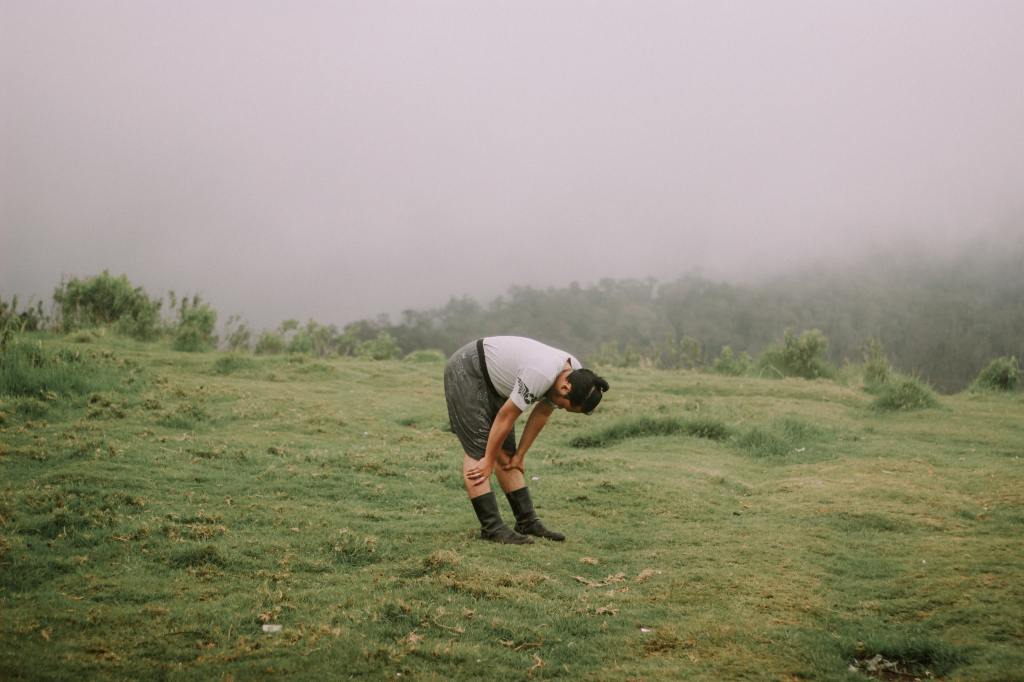
Photo credit: Falaq Lazuardi

Today’s key verse summarizes the feel of Lamentations 3-5. There is hope in these words of lament. There is a hope that God isn’t utterly done with Israel. Yes, the author knows the promises of rescue and restoration, but in the depths of the suffering, hope can flicker.

Lamentations 3 is in the first person. It reads as if Jeremiah were reflecting on the hardships and trials of his life as a prophet. He has felt God’s hand against him. He has felt like God “silences my prayer.” These memories of suffering bring bitterness. He muses, “Certainly the faithful love of the LORD hasn’t ended; certainly God’s compassion isn’t through!” Hope arises, though, as he declares, “Great is your faithfulness… The Lord is my portion! Therefore I’ll wait for God.” As the chapter continues, there is an invitation to “examine our ways” and to recognize, “We rebelled.” This is step one to forgiveness.

Chapter 4 reflects on the people’s suffering. The children are thirsty and hungry. The author laments that their fate wasn’t like Sodom’s – quick and final. He laments, death by the sword would be better than death by famine. The false prophets draw some of the blame. There is reality in verse 12: “Our end had definitely come.”

The last chapter is a communal lament. They invite God to notice their disgrace. They recognize that they are burdened by past sins. Their joy is gone. They are “doomed because we have sinned.” Hope surfaces again as the community recalls how God reigns from one generation to the next. With that hope, they offer this request: “Return us, Lord, to yourself. Please let us return!” May it ever be so.

Prayer: Lord God, we too lament when we suffer justly for our sins and for our choices to be of the world. We too long to end these seasons and to return to you, our God and king. In the suffering and trial, refine us as you are working to rescue us. Draw us to you, O Lord, again and again. Amen.


Leave a comment

Warning and Promise, Reality and Hope

Reading: Lamentations 1-2

Lamentations 2:19b – “Pour out your heart before my Lord like water. Lift your hands up to him for the life of your children.”

Photo credit: Shane Rounce

Today and tomorrow we read through Lamentations. These five acrostic poems lament the fall of Jerusalem and the suffering that followed. Jeremiah (and/or others writing in his voice) give a vivid and emotional account of this dark time in Israel’s history. Jews have read this book yearly during the month of Ab as a reminder of the consequences of sin and disobedience to God’s Instruction.

Chapter 1 opens with “Oh no!” This phrase evokes the wailing customary in a Hebrew funeral dirge. Jerusalem is personified as a woman, sitting alone, widowed and enslaved. There is no one to comfort her. She recalls the treasures that filled the palace and temple. She also laments the walls and gates being destroyed. She now feels “naked.” There is also the harsh reality of survival laid bare in these words. Hunger is prevalent. People sit on the ground and moan, fainting from lack of strength. As I envision this scene, my mind goes to places like Gaza and the Ukraine.

Running throughout chapters 1 and 2 is an acknowledgement. Israel and Judah have brought this upon themselves. Their sin, their disobedience, the false prophets – all led to this outcome. The nation who touted God’s presence, power, and might has been laid low by God’s almighty hand. Israel’s enemies rejoice. But even though God “ripped down, showing no compassion” and even though “the comforter who might encourage me is nowhere near,” there remains a faith and a hope in God. The writer encourages Israel and us to, “Pour out your heart before my Lord like water. Lift your hands up to him for the life of your children.” May this be our prayer when we find ourselves in times of suffering and hardship.

Prayer: Lord God, the reality of pain and suffering is right there. The cost of turning from you and walking in the ways of the world is laid bare today. May we read and feel these words, O Lord, as both warning and promise, as both reality and hope. May they work in us to yield faith and obedience to your will and way. Amen.


Leave a comment

Beautiful Feet

‭Isaiah 49:6 – “I will also appoint you as light to the nations so that my salvation may reach to the end of the earth.”

In today’s readings we have two Servant Songs. In 49:1-7 Isaiah speaks of his calling before birth and of his role to bring Jacob back to God. In verse 6 we hear the expanding of God’s circle: I will also appoint you as light to the nations so that my salvation may reach to the end of the earth.” In 50:4-11 we find the third Servant Song. The prophet is given words by God, words to instruct others in the way of the Lord. The servant suffers but remains faithful to his call. There is a confidence in God’s power and presence: “The one who will declare me innocent is near.” A sure faith resides in the one who loves and fears the Lord.

The tone of the rest of today’s reading is mostly celebratory and joyful. God has chosen Israel. The day of salvation is near. Their compassionate God will make a way home, safely passing through the heat, drinking abundantly of the water God will provide. The deserted land will soon be overflowing with children. Isaiah calls the people to remember Abraham and Sarah and God’s promises to them. God will honor the covenant promises, making Zion into Eden, a place of happiness, joy, and singing.

Here is Second Isaiah we also have other glimpses beyond the return from exile. For God, Isaiah proclaims that righteousness is forever and salvation is for all generations. For the faithful servant, Isaiah declares “how beautiful are the feet” of those who proclaim peace, bring good news, and proclaim salvation. Beautiful indeed! May our feet be beautiful today.

Prayer: Lord God, what hope for Israel and Judah, what hope for us! We too have been chosen, we too have been talked with being “a light to the nations.” Lord, encourage us, empower us, and engage us in bringing the hope we have in you to a world in need of hope. Amen.


Leave a comment

Rule with Justice and Righteousness

Reading: Isaiah 13-16

‭Isaiah 14:1 – “The LORD will have compassion on Jacob, will again choose Israel, and will give them rest in their own land.”

Our readings for today and tomorrow contain mostly oracles against the nations surrounding or occupying Judah/Israel. We do find hope sprinkled in these verses too. For example, tucked in the middle of the oracle against Babylon and her king, we find: “The LORD will have compassion on Jacob, will again choose Israel, and will give them rest in their own land.”

Chapters 13-14 detail the fall of Babylon. Isaiah makes it clear that God is “mustering an army for battle.” God will raise up the Medes to make Babylon like “Sodom and Gomorrah.” A restored Israel will then taunt the broken king of Babylon. The underworld will wait restlessly for this king. His final rest will be on “a bed of maggots” under a “blanket of worms.” His arrogance and pride will be laid low. God will also cut off all of his offspring too.

Before an oracle against Philistia, we read, “I will break Assyria in my land… and remove its yoke from my people.” The Philistines are not so blessed. They rebelled against Assyria, yes, but a new viper will come from the north.

Chapters 15-16 hold an oracle against Moab. They will be devastated and humiliated. In verse 2 we read, “Every head is shaved, every beard cut off.” The waters will be full of blood. In three years Moab’s remnant will be “few and feeble.” Amidst this sadness and loss we also find hope, mercy, compassion. Isaiah’s heart “cries out for Moab.” God invites Judah to “consider carefully, act justly.” Judah is told to hide the outcasts and fugitives. Isaiah also speaks of the time when the oppressor is gone, of a time when one will rule with justice and righteousness from the throne of David. This too is our ultimate hope. Thanks be to God.

Prayer: Lord God, you continue to oppose leaders and nations that bring evil and oppression upon this world. You oppose us when we do the same. Instead, Lord, use us to create the kingdom of justice and righteousness that Isaiah spoke of today. Then you will be with us, walking amongst us in Spirit and power. Amen.


Leave a comment

I’m here… Send me.

Reading: Isaiah 5-7

‭Isaiah 6:8 – “’Whom should I send, and who will go for us?’”… “‘I’m here; send me.'”

Isaiah 5 begins with God’s lament over Israel and Judah. They were planted as a vineyard in a land flowing with milk and honey. God cleared the nations before them, built a kingdom, ordered their living. But they turned rotten, choosing idols and other evils over God. So God removed the hedge of protection and allowed the vineyard to be trampled. God expected justice and righteousness but got bloodshed and distress.

Blame and judgment are given to the greedy, to the gluttons, to the cheaters, to the prideful, and to the oppressors. God extended a hand against them, a warning sign, but their evil persisted. So God called a nation from far away – “hurrying, swiftly they come!” Arrows sharpened, swords drawn, roaring like a lion, darkness comes.

Chapter 6 shifts everything as Isaiah finds himself in heaven. God is high and exalted. Winged creatures sing of God’s glory and holiness. Isaiah suddenly realizes that he is a sinner in God’s presence. A winged creature touches his unclean lips with a coal from the altar, purifying him. God asks aloud, “Whom should I send, and who will go for us?” Isaiah responds, “I’m here; send me.” But God says to him, they won’t hear, they won’t see. Isaiah asks, “How long?” Sadly, until all lies in ruin and the people are in exile in a foreign land.

We find the beginning of this story in chapter 7. Aram and Israel unite against the approaching Assyrians. Judah refuses to join them, so they attack Jerusalem. This fails. God tells King Ahaz not to fear. They’re just “smoking torches” who will soon fall – before son born “Immanuel” learns to tell good from evil. Israel will fall and Judah will have a scary and powerful new neighbor.

Prayer: Lord God, how easily we see ourselves in these chapters. You have good plans for us and you make a way but we often fall off the path. We choose evil over good. We fall into sin yet you call us again and again to step into your grace, to be restored and made new again. You invite us into mission and service. Sometimes we do go willingly but often times we are fearful or selfish. You promise to be with us and to go with us. Help us to more regularly declare, “I’m here; send me.” Amen.


Leave a comment

Rejoice! Celebrate!

Readings: Psalms 90-95

‭Psalm 91:2 – “I say to the LORD, ‘You are my refuge, my stronghold! You are my God — the one I trust!'”

Photo credit: Shane Rounce

Today we begin Book 4! We begin with a Psalm attributed to Moses. The Psalm considers the fleeting nature of life. God sweeps humans away “like a dream.” We finish up our years “with a whimper.” So the author invites us to “number our days.” Doing so we learn to live with a “wise heart.” Doing so, life has meaning and purpose.

Psalm 91 petitions God for divine protection. It feels like a counter to Psalm 90. In verse 2 we read, “I say to the LORD, ‘You are my refuge, my stronghold! You are my God — the one I trust!'” The Psalm speaks of God’s protection and saving in times of sickness and trial. It proclaims that if even 1,000 fall dead, we will be ok. This is because God will “order his messengers to help you… to protect you.” While we can feel the psalmist’s trust, we must remember that this is a possibility and not necessarily a promise. The faithful are not immune from the happenings of life.

Psalms 92 and 93 compliment each other. Psalm 92 is a song of thanksgiving for victory. The wicked are like grass – they perish quickly. The righteous are like trees. They will bear fruit in old age. Psalm 93 recognizes God as the one who won’t be shaken, as the one mightier than the flood. Holiness “decorates” God’s house.

Psalm 94 is addressed to the “avenging God.” The arrogant brag and afflict widows, immigrants, and orphans. The God who hears and sees will repay the evil. This God helps the righteous, steadying slipping feet and comforting the anxious. This God is our fortress and our rock of refuge.

This leads us to Psalm 95, a call to worship God. It begins, “Let’s raise a joyful shout.” The “people of his pasture” are called to worship, to bow down, to kneel before the Lord.  A warning against hardening one’s heart closes the Psalm. It is good to offer our praise and thanksgiving to God. It counters our prideful nature and our tendency to turn inward.

Prayer: Lord God, at times we pray as the psalmists pray: steady us, comfort us, forgive us, protect us. At other times we too rejoice in your goodness and love. We celebrate your faithfulness and your justice. Today may our lives sing of your glory, power, and might. Amen.


Leave a comment

What Promise, What Hope

Readings: Psalms 46-49

‭Psalm 47:2 – “Because the LORD Most High is awesome, he is the great king of the whole world.”

Photo credit: Ricardo Gomez Angel

Our first three Psalms are about trusting God and celebrating God’s power and might. Psalm 49 comes as a warning about trusting in something other than God. While this Psalm is about the danger of trusting in wealth, we could substitute self, status, power, beauty, fame, possessions… There are more than a few false gods that we can worship instead of the one true God.

Psalm 46 celebrates God as our refuge and strength – always. Storms will come. Some are powerful. Life will rain on our parade. Yet God is always there. God won’t crumble. God is our place of safety. This theme is picked up in Psalm 49, except this one is about physical safety. God is in the very walls of Jerusalem. The city is a place of safety and security. Within the walls one also finds God’s righteousness and justice. These too dwell in the city of God.

Psalm 47 celebrates God as “the great king of the whole world.” God subdues the nations and chooses Israel’s inheritance. God will subdue the forces of this world too. God will reign over all those voices that clamor and vie for our attention and allegiance. It is a choice we all must make: to listen or not.

Psalm 49 addresses this choice. The author begins, “Listen closely… rich and poor alike.” He or she offers this wisdom: “Wealth? It can’t save a single person!” By the way, the psalmist says, the wise die too. But those who “do right in their heart” – the psalmist(s) declare, “God will save my life from the power of the grave.” What hope, what promise. May we set our hearts on doing right.

Prayer: Lord God, there are many choices about what or whom to follow, on what to be consumed by. O Lord our God, be our consuming fire. Like a moth to a flame, draw us into your presence. Refine us in your fire. Draw us into the power of your love. It has the power to save. Guide us deep into that love. Amen.


Leave a comment

Thorns…

Readings: Joshua 12, Joshua 13, Joshua 14, Joshua 15, Joshua 16, Joshua 17

Joshua 16:10 – “But they didn’t remove the…”

Our reading today begins with a summary of the kings defeated by Moses and by Joshua. Moses’ efforts have a lot more detail. This follows the pattern found in Deuteronomy. Joshua’s efforts are simply a list of 31 names. In chapter 13 we learn that Joshua is old and “much of the land remains to be taken over.” There are many pockets of Canaanite tribes remaining here and there. The land east of the Jordan is then allocated to the tribes of Reuben and Gad and to half of the tribe of Manasseh.

Chapter 14 begins the process of assigning land west of the Jordan. Joshua, Eleazar, and tribal leaders assign a “legacy” to the remaining 9 1/2 tribes by lot. Caleb comes forward and requests the land that Moses promised him 45 years ago. Zelophehad’s daughters are later given a legacy, fulfilling another of Moses’ promises.

Judah, Ephraim, and the other half tribe of Manasseh are assigned legacies, determined by lot. It is interesting that Judah’s legacy is thoroughly detailed – it includes the names of 94 individual cities. Ephraim and Manasseh’s legacies are briefly described. No cities are even mentioned. At the end of chapter 17, Ephraim and Manasseh question the size of their inheritance. Permission is granted to expand by clearing forest, claiming more land for themselves.

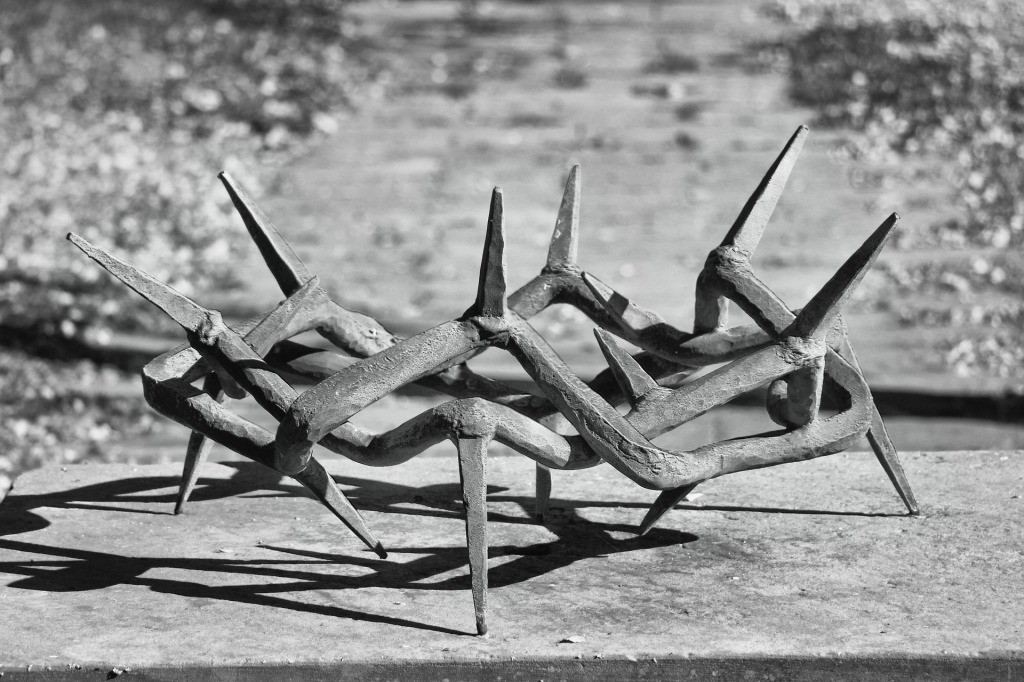
Again and again in today’s readings we come across some version of “But they didn’t remove the…” Israel allows many Canaanite tribes to live amongst them in the Promised Land. These will become “thorns in your side” (Numbers 33:55.) When we too leave footholds in our hearts for the things of this world, they can and often do become thorns in our lives.

Prayer: Lord God, we see continued order and purpose as you allocate legacies or inheritances to Israel. You still lead and guide us in these ways of order and purpose. We also see little disobediences today – things that will lead to trouble for Israel. Help us to see these dangers in our lives too. Lead and guide and empower us in the conquest of these potential traps and dangers. Amen.


Leave a comment

Complete and Correct

Readings: Deuteronomy 21, Deuteronomy 22, Deuteronomy 23, Deuteronomy 24, Deuteronomy 25

Deuteronomy 24:13b – “They will bless you, and you will be considered righteous before the LORD your God.”

While today’s readings might feel like a fire hose of disjointed and maybe unrelated laws and case studies, one can make sense of these passages by looking at them within the framework of unpacking the Ten Commandments. Today’s passages deal with commandments 6-9, laws that deal with how we are to live in right relationship with one another. This focus laid over all of these laws gives us structure to understand and even apply many to our lives and culture today.

Chapter 21 and most of 22 unpack the law “do not kill.” Chapter 21 begins with a process to remove blood guilt for unsolved murders. We then shift to foreign wives, oldest sons, and parents. These laws work against “killing” reputations and the rights of the firstborn. Chapter 22 deals mostly with caring for property and reputations. Helping others and defending a woman’s virginity are ways to love instead of harm.

22:23 through 23:18 deal with adultery – against one another and also against God. The topics range from literal adultery to who and what can (and can’t) be in God’s presence. There is even a protection in here about slaves who escape from cruel masters. Abuse, in this sense, is a form of adultery. The focus then shifts to “do not steal.” This section greatly expands this commandment way beyond simply taking something off the shelf at the store. Interest and oaths and pawning and kidnapping are included here as ways that we can steal from one another.

Beginning in 24:8 we turn to #9: “do not testify falsely.” Loans and worker pay and harvesting are regulated to protect the poor and the vulnerable. In this section we find a verse that in spirit arches over all that we read today: “They will bless you, and you will be considered righteous before the LORD your God.” This section closes with rules for honest business dealings. Weights and measures must be “complete and correct.” This is a wonderful way to look at how we should love our neighbors too. May it be so.

Prayer: Lord God, today we work through unpacking such simple commands – do not kill, steal… and see that these simple commands affect so much of life. To love neighbor is a vast and wide ranging charge. Guide us each day to place the other before self. Lead us to live as humble servants of your great love. Amen.