pastorjohnb

Thoughts and musings on faith and our mighty God!


Leave a comment

All We Need

Reading: Jeremiah 23:1-6

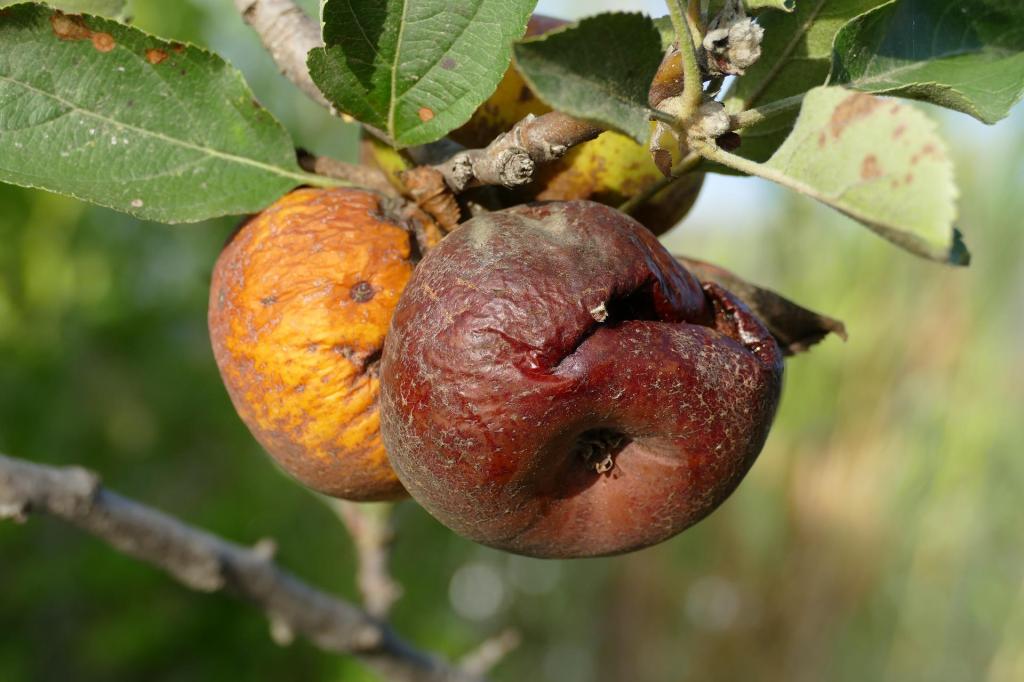
Jeremiah 23:5 – “He will rule as a wise king. He will do what is just and right in the land.”

Photo credit: Hans Heiner Buhr

Chapter 23 of Jeremiah is titled “Promise of Restoration.” The promise begins with a warning and then adds God’s solution. In verse 1 the prophet declares, “Watch out, you shepherds…” Jeremiah is specifically referring to the kings of Judah but also to the religious leaders. While the king is ultimately responsible for the well-being of the people, the priests also had a prominent role to play in helping the people remain faithful to God. All of the shepherds, however, have become inwardly focused. Instead of tending to the needs of the flock, the selfish behaviors of the leaders has, in effect, “scattered my flock and driven them away.” God declares to these bad leaders, “revenge” is coming.

Verse 3 shifts leadership back to God. God will act, gathering the sheep, making them fruitful and numerous again. God will “place over them shepherds who care.” Under good shepherds, there will be no fear or worry. Needs will be met. All will be well cared for. Jeremiah’s words get more specific in verses 5 and 6. These messianic words point to Jesus, the one who will rule as a “wise king.” Guided by the Spirit, the wisdom from on high, Jesus’ kingdom will be one of justice and righteousness. He will offer salvation to all people.

When Jesus arrived in Israel, they needed a Savior. The people longed for someone to save them from the Romans. Jesus longed to save them from their sins and lack of abiding faith. Jesus taught and healed, inviting the people back into an intimate, dependent relationship with their God. He then died, offering self as the sacrifice, offering salvation to the world. This Jesus, he continues to save us from self and to give us all that we truly need. Thanks be to God.

Prayer: Lord God, we can long for things we do not need. We can wish that you would wipe away our problems and our enemies. Remind us again and again that you love us so much. Remind us that you always provide just what we need. Help us to abide in you, trusting in your will and way. Open our eyes to see that your way is always the best way. Amen.

Leave a comment

A Good Shepherd

Reading: Ezekiel 34:11-12 and 20-31

Ezekiel 34:27 – “They will be safe on their fertile land, and they will know that I am the Lord when I break the bars of their yoke.”

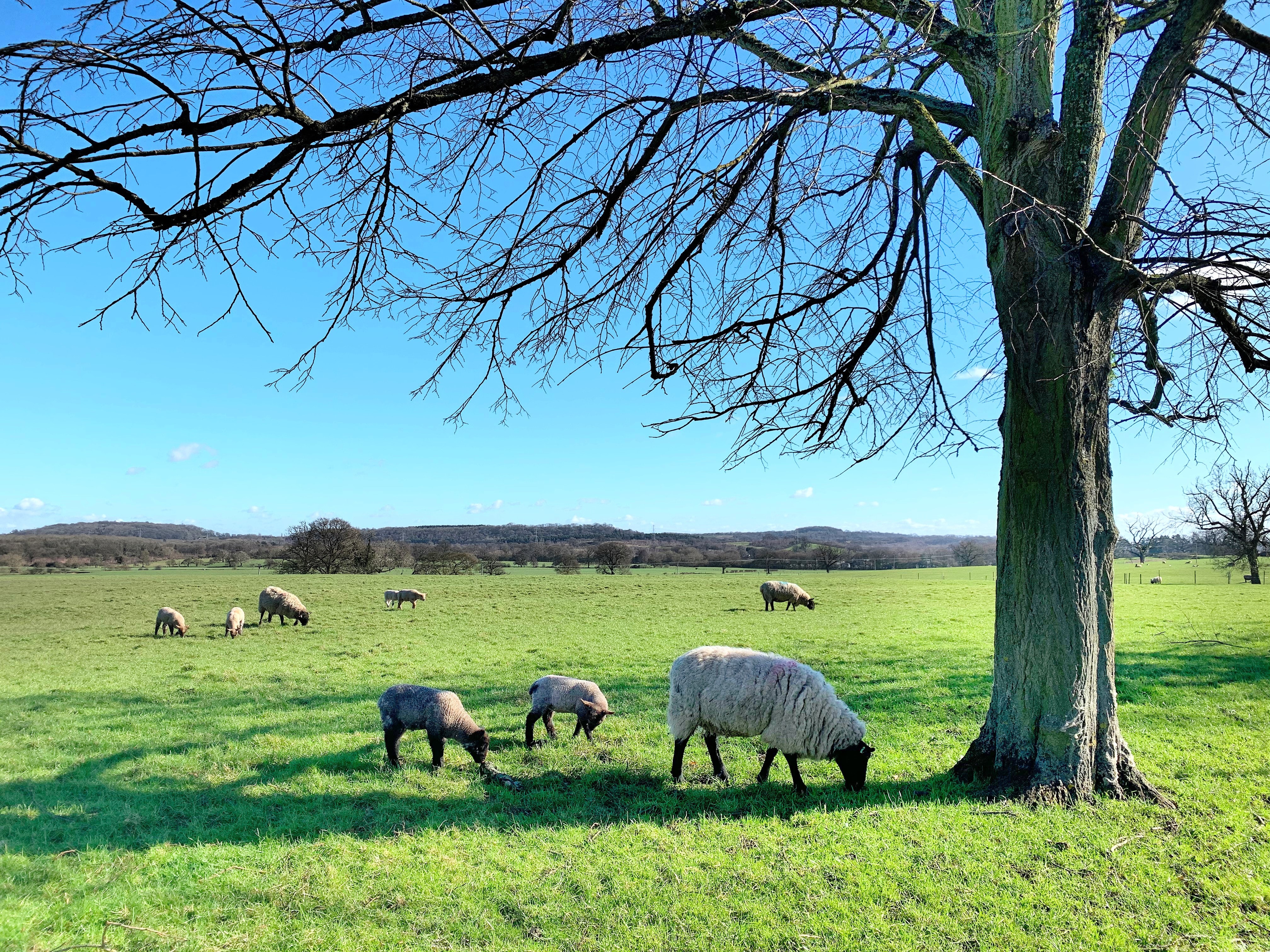
Photo credit: Ronnie Khan

Chapter 34 begins with the denouncement of Israel’s current leaders. What was the case before exile has continued in exile. God through Ezekiel pronounces doom on these poor leaders for living in luxury while ignoring the weak, the sick, the injured, the strays, the lost. There are many injustices so the flock scattered and then became prey. God promises to hold these bad shepherds accountable.

Beginning in verse 11, God offers the remedy. Here God proclaims: “I myself will search for my flock and seek them out… I will rescue them…” God will gather the scattered and care for the weak, the sick, the injured… As we continue in our reading we see that God will judge between the “fat and lean” sheep – between those living in luxury and those who struggle to survive.

God promises restoration, a new era. A David-like ruler will be appointed and a new covenant of peace will be established. Rains of blessing will pour down. Oppression and injustice will be no more. In verse 27 we read, “They will be safe on their fertile land, and they will know that I am the Lord when I break the bars of their yoke.” Without the yoke of oppression and injustice, there will be peace. There will be no famine; there will be no disgrace.

While the bad shepherds ignored these words of judgment, these words would offer great hope to the weak, the sick, the injured… to those living on the margins and edges. These words feel very relevant today. As injustices scatter people, as oppression sits heavy on others, as callous acts increase hunger, the people of God long for a good shepherd – not just for ourselves but also for the least of these among us. God’s children long for the rains of blessing and for a time of peace and grace. O God, may it be so.

Prayer: Lord God, you’ve always, always, always had a heart for the weak, the sick, the injured… You’ve always, always, always called for the faithful to join you in your care for the least of these. Lord, bridge the huge gulf between our reality and your preferred future. Use us to be a part of that bridge, each in our own ways caring for the weak, the sick, the injured… for the scattered and the oppressed. Amen.


Leave a comment

Trust and Belief

Reading: Job 2:7-10

Job 2:7 – “The Adversary… struck Job with sores from the sole of his foot to the top of his head.”

We enter Job’s story at the point of his second “test.” In chapter 1 Job loses all his livestock and all of his sons and daughters. Job says, “The Lord has given; the Lord has taken; bless the Lord’s name.” Job is known as the wisest and most faithful man in all the world. The Adversary’s argument is this is because God has blessed Job. Yet when all of this was lost, Job remained faithful to God.

Test two comes next: “The Adversary… struck Job with sores from the sole of his foot to the top of his head.” Afflict Job himself, the logic goes, then he will curse God. Covered top to bottom in oozing sores, Job sits on an ash pile and scrapes his sores. Job’s wife sees his condition and says, “Are you still clinging to your integrity? Curse God, and die.” (Some translations read, “Bless God, and die.”) She believes Job is being assaulted by God. Her life has also completely fallen apart. Likely because Job has sinned – which he hasn’t. She thinks God is against Job. She’s saying, ‘Enough already!’

Job tells her she is being foolish. He is right with God and he knows it. He asks her, “Will we receive good from God but not also receive bad?” Put another way: ‘If God does reward and punish, we must accept it all, must we not?’ Job’s trust in God is sure. His suffering is unjust and undeserved. Yet God is God: all-powerful and all-knowing. Job does not understand why he is suffering. His understanding of God and how God normally works is the same as his wife’s: be good and be blessed by God, do evil and be cursed by God. And here he sits in a pile of ashes, covered in oozing sores. Job chooses trust and belief over his reality. In those moments when life makes no sense to us or to our faith, may we, as Job did, trust faith and belief in God.

Prayer: Lord God, at times we will find ourselves where Job did – life making no sense. What’s happening doesn’t fit our understanding of you or of how things “should” work. In these times and places of disorientation, draw us to you. Help us to trust and believe in your wisdom that is beyond ours, in your plan that goes far beyond our vision, and in your love that is much greater than we could ever imagine. Amen.


Leave a comment

Generous and Hospitable

Reading: 3rd John

3rd John 1:11 – “Don’t imitate what is bad but what is good. Whoever practices what is good belongs to God.”

3rd John addresses two ways that one can live as a part of the community of faith. Unfortunately, good and evil can exist within the church. Like many other institutions, a church is a group of imperfect people. So, at times, people in a church can cause harm to one another or to the mission of Christ.

In this short letter the elder contrasts the actions and attitudes of Gaius and Diotrephes. The elder is “overjoyed” by what he heard about Gaius. He is living “according to the truth,” caring well for the brothers and sisters who are on missionary journeys. Diotrephes, on the other hand, is one who “likes to put himself first.” He does not welcome these itinerant missionaries. And, not only that, he’s slandering the elder and his companions. And Diotrephes is expelling people from the church if they help these missionaries.

The elder writes to Gaius, “Don’t imitate what is bad but what is good. Whoever practices what is good belongs to God.” Those who practice what is bad or evil have “not seen God.” This is a simple letter about being generous and hospitable. It calls us to consider where our actions and behaviors fall along this spectrum. If we are more like Gaius, then we are seeking to live according to the truth of Christ. If we are more self-centered, then we have some work to do.

Prayer: Lord God, lead us to truly reflect on how generous and hospitable we are to those who are doing your work and who pass through our doors or lives. May we strive to follow the example of Jesus Christ, the one who welcomed and engaged one and all in love. Amen.


Leave a comment

The Banquet

Reading: Matthew 22-23

Matthew 22:21 – “Give to Caesar what belongs to Caesar and to God what belongs to God.”

Chapter 22 begins with a parable about God’s kingdom. The scene is a wedding party for the king’s son. Proper guests are first invited. But they refuse to come. Then all people are invited – the good and the bad. The banquet hall is filled. But one enters who isn’t prepared to be there. He is removed and thrown into the deepest darkness. Those who were invited first represent the religious leaders and all Jews who refused to accept God’s son as Lord and Savior. The man represents those who say they follow Jesus but really live for self.

Jesus is asked about paying taxes. After examining the coin he declares, “Give to Caesar what belongs to Caesar and to God what belongs to God.” We are to be good and responsible citizens and faithful followers of God. Jesus clarifies the order when asked about the greatest commandment. First, we are to love God with all that we are. The second is to love neighbor as self. We are to first be faithful followers of God and then to be good and responsible neighbors.

In chapter 23 Jesus condemns the hypocritical ways of the legal experts and the Pharisees. They pile Law upon Law, rule upon rule, on the people but don’t lift a finger to help them in their walk of faith. By contrast, we recall Jesus’ yoke is easy and the burden light. The legal experts and Pharisees love to be seen and noticed. But the “greatest among you” will become the servant. They give a tenth of their spices but ignore justice, peace, and faith. They look great and righteous on the outside but are “full of pretense and rebellion” in their hearts. They refuse to come to the wedding banquet.

There is lament to close out today’s reading. Just as their ancestors abused and killed the prophets, so too will they abuse and kill Jesus, the disciples, the apostles… Jesus longs to gather Jerusalem as a “hen gathers her chicks.” They refuse. They too will not enter the wedding banquet.

Prayer: Lord God, as we read these words today we reflect now on the condition of our hearts. Do we love you with all our being? Is this reflected in how we love neighbor, in how we practice justice, peace, and mercy? Have we truly become part of your kingdom? Or do we just have one foot inside the banquet hall? Lord, help us all. Amen.


Leave a comment

Happy Are…

Reading: Matthew 13

Matthew 13:16 – “Happy are your eyes because they see. Happy are your ears because they hear.”

Today’s reading holds seven parables all aimed at showing how God is at work in our world and in our lives. In these teachings, Matthew shows that God is engaged in daily life and desires to be in connection with us. In the first parable a farmer scatters seed. In a day when every seed mattered, “scatter” would draw people’s attention. Most seeds do not bear fruit. The many cares of this world are too much. The seed that does fall on good soil produces a great crop. Hearts that receive and nurture God’s word leads others to do the same, creating more disciples.

Matthew connects to Isaiah, using his words as a means to explain why many do not understand the parables. They have become “calloused” and refuse to “change their hearts and lives.” This was the invitation given by John the Baptist and by Jesus. It continues to be given each time the world is read or proclaimed.

Each of the remaining parables begins with the phrase, “The kingdom of heaven is like…” It is like a field with good plants and weeds, like a net with good and bad fish. One day the angels will sort out and burn the bad. The good will be saved. It is like a mustard seed or some yeast – small but powerful, able to spread and grow into something large. It is like a hidden treasure or a pearl of great worth. Once found, a person must be willing to sell all else, investing everything they have into their faith.

As Jesus teaches in parables he asks his disciples if they understand. They do. In response, Jesus says, “Happy are your eyes because they see. Happy are your ears because they hear.” May our eyes and ears be happy as well.

Prayer: Lord God, thank you for opening our eyes and ears to your word. We don’t always get it 100% but as we keep at it, reading, studying, seeking to understand, your Spirit works in us, giving us more insight and understanding. Each time we encounter that word, the connection grows stronger, deeper. Thank you for your continuing work in us. Amen.


Leave a comment

The Lord Will Reign

Reading: Zechariah 10-15

Zechariah 13:1 – “On that day, a fountain will open to cleanse the sin and impurity of David’s house.”

In the last chapters of Zechariah, Judah and Jerusalem are lifted up and are torn down. They experience defeat and victory – both through the Lord. Zechariah refers twice to a king who has been seen as Jesus since the earliest days of the church. In the end, God is present in the new Jerusalem. All nations come to worship and give glory to God.

As our reading begins, God invites the people to ask God for rain. Instead they turn to idols as their shepherd(s) lead them astray. God will punish “the goats.” Judah will then be strong because God is with them. Strengthened, they will walk in the name of the Lord. But this faith doesn’t remain long. Two staffs – Delight and Harmony – are made and then are broken. The covenant is ended and the alliance between Judah and Israel is over. A bad shepherd won’t care well for the flock and will be doomed by God.

In chapter 12 God again defends and restores Judah. They again become strong in the Lord. God promises to pour out a spirit of grace and mercy. But then the people will “look to me concerning the one whom they pierced.” There will be mourning throughout the land. In 13:1 we read, “On that day, a fountain will open to cleanse the sin and impurity of David’s house.” Later in chapter 13: Zechariah returns to what the church reads as Jesus. They will strike the shepherd and the sheep will scatter. There will be a purifying fire (persecution) that will refine the faithful. God will look upon these and say, “They are my people.”

In the last chapter we read of Jerusalem falling and half going into exile. Then God, along with the “holy ones,” fights for them, bringing them home. Running water will flow from this new Jerusalem. It will be secure. Nations will come to pay homage to God. The Lord will reign forever. This is the end of the story we know too. Thanks be to God.

Prayer: Lord God, although sin and disobedience separated you from Judah and Israel – as it does us at times – you remain unconditionally committed to loving your children. I am grateful for your faithfulness, mercy, and grace through all of our failures. You are so worthy of our praise. Use us this day to bring glory and honor to your name. Amen.


Leave a comment

Influences – Good and Bad

Reading: Proverbs 23

‭Proverbs 23:19 – “Listen, my child, and be wise! Keep your mind straight on the path.”

Today’s words of wisdom focus mostly on controlling our appetites and on who not to hang out with. These two focuses remain important in our lives today. The first warning today is against longing for the things of this world. In today’s text it is longing for the riches of the king’s table. In our lives it is the longing for a bigger house, a newer phone or car, a fancy vacation, a promotion with a fat raise… We must guard our hearts against these longings. On the other end of the spectrum, the sage says, don’t eat with stingy people. They only share what they’re unwilling to eat themselves.

We’re also warned about hanging out with sinners, gluttons, and drunkards. The primary concern is that they’ll influence us to become like them. We will end up “clothed in rags,” seeing “strange things,” and speaking “distorted words.” We’ll awaken one day and wonder how we got there. Instead, the wisdom writer says, “Buy truth… buy wisdom, instruction, and understanding.” Then one’s father and mother will rejoice.

The sages remind us, too, that we have a hand to play in being able to one day rejoice. We should not withhold either instruction or discipline from our children. I believe this applies to our children as well as to our friends. As we’ll soon read in Proverbs 27:17, “Iron sharpens iron, so one person sharpens a friend.”

Prayer: Lord God, help us to make wise choices. Guide us to choose our friends well. Guard us from temptations and keep our feet from paths that lead to sin and folly. Instead of being influenced by the things of this world, Lord, pour your wisdom and understanding into our hearts. Influence us towards you. May our words, thoughts, and deeds bring you joy today. Amen.


Leave a comment

The Ebb and Flow

Reading: Psalm 119:89-176

‭Psalm 119:159 – “Look at how much I love your precepts. Make me live again, LORD!”

The first half of Psalm 119 painted a picture of a new and growing faith. In verses 89-176 we find a more mature faith, one that quickly turns to God, one that expects God to act on behalf of the faithful. The overarching theme of these 11 sections can be summed up in today’s key verse: “Look at how much I love your precepts. Make me live again, LORD!” Much like Job, the psalmist wrestles with the good/reward, bad/punish framework of the ancient faith. We wrestle with this too.

This wrestling can be found in verses 126-127 and in 165-166. In the first the psalmist almost demands God’s actions because others have “broken” God’s law and because he or she loves the law more than gold. In verse 165 the statement is made that the faithful enjoy peace and do not stumble. Then in 166 the psalmist says, “Lord, I want your saving help.” I’m good, God. You should save me!

Throughout these sections we also find a consistent theme of loving God’s law and being angry at or hating those who don’t love God’s law. We see this played out in the New Testament too as the religious leaders clashed with Jesus and then with his followers. They couldn’t stomach how Jesus ate with and touched sinners. We too can be a bit like this. We can look down our noses at those who aren’t acting or believing like we act and believe. We can struggle with brothers and sisters in Christ who seek to minister to “those” people.

Overall these sections of Psalm 119 paint an accurate picture of our faith – for good and for bad. We sincerely want to know, understand, and live out God’s will and ways. We can judge and demand. And we can find ourselves as the psalmist did in verse 176: “I’ve wandered off like a sheep, lost.” And we can pray as the psalmist prayer: “Find your servant because I haven’t forgotten your commandments!” No, likely they’re just conveniently misplaced. Lord, help us.

Prayer: Lord God, the ebb and flow is part of the journey. The call to love the least wrestles with our inclinations towards judgment and condemnation. How fickle we are too. So, yes, help us Lord to know you more, to love you more completely, to serve more steadfastly. Continue to gather us back in. Shepherd us on your path. Amen.


Leave a comment

Good, Evil, Good, Evil…

Readings: 2nd Chronicles 25, 2nd Chronicles 26, 2nd Chronicles 27, 2nd Chronicles 28

2nd Chronicles 25:15 – “Why do you seek the gods of this people? They couldn’t even deliver their own people from you!”

Amaziah begins today’s readings about the kings of Judah. He did what was right in God’s eyes – mostly. In verse 2 we read, “but not with all his heart.” I think this is typical of most Christians today, myself included. We want to and try to follow God faithfully and obediently but the flesh inside each of us rises to the top now and then. This seems to be a part of being human.

Amaziah leads and administers well. He has successes. Then he decides to worship false gods. A prophet comes to him and asks, “Why do you seek the gods of this people? They couldn’t even deliver their own people from you!” Great questions. He gets angry at the prophet. In arrogance and foolishness he challenges King Joash of Israel. Judah and Amaziah are soundly defeated, humiliated, and looted. Amaziah is killed by his own people. Uzziah succeeds him. As long as the prophet Hezekiah is instructing him, Uzziah is faithful and has success. He becomes powerful and wealthy and famous. Arrogance sets in and he begins to worship false gods. The priest Azariah confronts Uzziah burning incense in the temple. Uzziah gets angry and God gives him a skin disease. Uzziah lives isolated the rest of his life. His son Jotham runs the kingdom.

Jotham becomes king next and does right by God. He rebuilds and wins battles. Ahaz succeeds him as king after 16 years. Ahaz is thoroughly evil. He worships Baal. He burns his sons alive in the altar of a pagan god. He suffers massive defeats. Israel shows great mercy and faithfulness, caring for and returning prisoners taken in battle. Even this faithful act does not change Ahaz’s evil heart. He instead aligns himself with Assyria, inviting disaster upon Judah. His reign ends by closing up the temple and the destruction of the temple equipment – by Ahaz. He is not buried with the other kings.

Prayer: Lord God, lessons learned: faithful -> good things… disobedient -> bad things. These are connections we know and understand. Yet we can struggle to be faithful and obedient. Lord, help us in our daily walks of faith. Strengthen us in our moments of weakness and temptation. Help us through. Amen.