pastorjohnb

Thoughts and musings on faith and our mighty God!


Leave a comment

Pour It Back Out

Readings: Romans 5:1-5 and 12:18-21

Romans 5:3-4 – “Trouble produces endurance, endurance produces character, and character produces hope.”

Paul begins chapter 5 by reminding the Roman church (and us) that they (we) are made righteous through Christ’s faithfulness. We are made right because of and through Christ’s work on the cross. We cannot do anything to restore ourselves to righteousness before God. But Jesus can and does. That brings us peace with God. And because we are forgiven through grace, we can and should be gracious to others. Through our own radical acts of love, others can experience and then claim the hope that we have in Christ Jesus.

Paul then rejoices because we experience hardship, trials, suffering. What?! Paul is not celebrating that we experience these things. He is celebrating how God uses them in our lives. Trouble builds endurance which builds character which builds hope. As we endure faithfully, we model Jesus and through this process take on more of Christ’s character. As we are made more Christlike our hope in God deepens. In turn we receive more of God’s love, poured into our hearts.

Shifting to chapter 12, Paul focuses in on those times when evil is the cause of hardship… He encourages an attitude of peace even then. The apostle encourages us to allow God to be the one in the punishment business. Paul then asks us to do just the opposite: give your enemy, the one doing evil to you, give them what they need. Give them food or drink or burning coals. (This last one refers to actually giving them coals so that they can rekindle the fire, bringing them warmth.) By taking the love of God that is poured into our hearts and pouring it back out into our relationships with difficult others we will “defeat evil with good.” May it be so for you and for me.

Prayer: Lord God, we thank you for the gift of Jesus Christ – he who not only became the atoning sacrifice for us but also set before us the daily example of love. In the times when it is most difficult to muster up love, grace, mercy – in moments of hardship… – remind us of your great love for all of us. In gratitude and faithfulness lead us to pour these out, blessing others. Amen.



Leave a comment

The Lord Will Reign

Reading: Zechariah 10-15

Zechariah 13:1 – “On that day, a fountain will open to cleanse the sin and impurity of David’s house.”

In the last chapters of Zechariah, Judah and Jerusalem are lifted up and are torn down. They experience defeat and victory – both through the Lord. Zechariah refers twice to a king who has been seen as Jesus since the earliest days of the church. In the end, God is present in the new Jerusalem. All nations come to worship and give glory to God.

As our reading begins, God invites the people to ask God for rain. Instead they turn to idols as their shepherd(s) lead them astray. God will punish “the goats.” Judah will then be strong because God is with them. Strengthened, they will walk in the name of the Lord. But this faith doesn’t remain long. Two staffs – Delight and Harmony – are made and then are broken. The covenant is ended and the alliance between Judah and Israel is over. A bad shepherd won’t care well for the flock and will be doomed by God.

In chapter 12 God again defends and restores Judah. They again become strong in the Lord. God promises to pour out a spirit of grace and mercy. But then the people will “look to me concerning the one whom they pierced.” There will be mourning throughout the land. In 13:1 we read, “On that day, a fountain will open to cleanse the sin and impurity of David’s house.” Later in chapter 13: Zechariah returns to what the church reads as Jesus. They will strike the shepherd and the sheep will scatter. There will be a purifying fire (persecution) that will refine the faithful. God will look upon these and say, “They are my people.”

In the last chapter we read of Jerusalem falling and half going into exile. Then God, along with the “holy ones,” fights for them, bringing them home. Running water will flow from this new Jerusalem. It will be secure. Nations will come to pay homage to God. The Lord will reign forever. This is the end of the story we know too. Thanks be to God.

Prayer: Lord God, although sin and disobedience separated you from Judah and Israel – as it does us at times – you remain unconditionally committed to loving your children. I am grateful for your faithfulness, mercy, and grace through all of our failures. You are so worthy of our praise. Use us this day to bring glory and honor to your name. Amen.


Leave a comment

What a Day!

Reading: Zephaniah 1-3

Zephaniah 3:15 – “The LORD has removed your judgment; he has turned away your enemy. The LORD… is in your midst.”

Zephaniah proclaims the coming “day of the Lord.” Those who are humble and seek the Lord will find refuge in God. Those who relied upon themselves, their idols, their wealth and power – they will have nowhere to turn. Judgment will fall on the surrounding nations and then upon Judah. Zephaniah concludes with hope. He speaks of a time after judgment, when all people will “serve God as one.”

Zephaniah begins with judgment for the “world.” God will “eliminate humanity.” The prophet is likely referring to the small world surrounding Judah. He is speaking of and to God’s people. God’s hand will stretch out against those turning away instead of seeking God. Those in power will be punished for their violence, greed, and pride. It will be a horrible day, a day of “fury… distress… desolation… destruction… darkness.”

God encourages the humble to gather and to seek righteousness. They may be “hidden” on the day of the Lord. Zephaniah then turns to Judah’s neighbors next. Gaza, Ashod, Ekron, Philistia – doom is coming. Moab and Ammon will be made like Sodom and Gomorrah because of their taunting and boasting over Judah. Cush and Assyria will perish. And then in chapter 3 the focus shifts to Jerusalem – the city that wouldn’t listen and wouldn’t accept discipline. God will “rise up as a witness” against Jerusalem, pouring out “the heat of my anger.”

In verses 9-20 we read of the restoration that will follow. All people’s speech will change. They will call on God’s name and will “serve him as one.” Their shame will be removed along with their pride. A humble and powerless people will seek and find refuge in God. The lame and the outcast will be exalted. Judgment removed, enemies no more, Israel will know, “The LORD… is in your midst.” All will be restored. What a day that will be!

Prayer: Lord God, one day judgment will fall. As a God of justice and righteousness there will be an accounting. But as a God of love and mercy, a day of healing and restoration will follow. In the end, the world will be as you created it to be. Thank you, Lord. Amen.


Leave a comment

You Will Know

Reading: Joel 1-3

Joel 2:27 – “You will know that I am in the midst of Israel, and that I am the LORD your God — no other exists.”

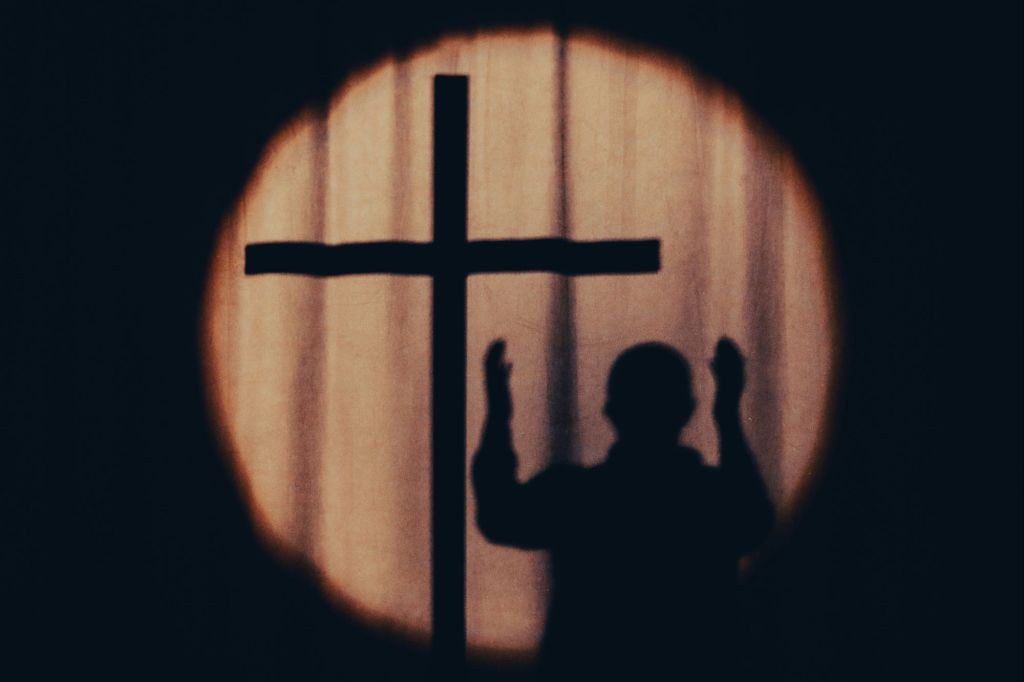
Photo credit: Marek Piwnicki

In three chapters Joel packs a ton into his prophetic message. He follows the normal pattern: devastation, cry out, repent, deliverance. Joel is a bit unique in the fact that Israel’s sin isn’t included. That usually leads to the ‘devastation’ part of the cycle. Joel begins with an invading army. Locusts? Assyria? Babylon? We’re not 100% sure if it’s real or metaphor as Joel is really hard to date. He does not include kings or names that can be tied to a specific point in Israel’s history. The effects of whichever army are all the same: starvation, death, suffering, grief. Even the earth and creatures of the earth mourn, so great is the fire that burns before and after the army’s invasion. People shake in fear as the army rushes upon the city and into their homes.

Yet… there’s that word! Yet, even now, says Joel, God invites us to return to God with all of our hearts, to weep and fast and mourn. Yes, weep, fast, and mourn over what we’ve done. Yes, weep, fast, and mourn over the consequences of that sin. Do so because God is compassionate, merciful, very patient, full of love, and ready to forgive. So, cry out to God! Who knows? God does. God brings renewal and restoration to a repentant Israel: corn, wine, oil… green pastures and fruitful trees. An early rain will be a “sign of righteousness” that will pour out abundance on them. And then the Lord declares, “You will know that I am in the midst of Israel, and that I am the LORD your God — no other exists.” Is this because of these physical blessings or is it because of what God promised next?

In verses 28-29 God proclaims that the Spirit will be poured out on all people – sons and daughters, young and old, slaves. All people will receive the gift of the Spirit. All barriers will be broken down. Then Joel turns to the coming day of the Lord. This day will bring darkness but all who call on the name of the Lord will be saved. The darkness comes as God gathers and judges the nations. Through Joel, God condemns a variety of offenses against God’s people. Crowd after crowd will come before the Lord. But God will be a refuge for the faithful. Jerusalem will be holy and a spring will come forth from God’s house. The new Judah and Jerusalem will be forgiven. It will be inhabited forever. Thanks be to God.

Prayer: Lord God, what good and great plans you have for those who love you. Yes, the storms of life will come, drawing us closer to you. Yes, times of separation will come as we choose self over you. Even then, you work to renew our relationship, to restore our connection. You remain ever ready to forgive. You continue to declare that you are our God. Thank you, Lord, for your unconditional love. Amen.


Leave a comment

Live Amongst Us

Reading: Ezekiel 38-43

Ezekiel 38:23 – “I will display my greatness, show my holiness, and make myself known in the sight of many nations.”

Chapters 38-39 deal with Gog, a representation of the evil empires. Coming from the north, Gog could represent Nebuchadnezzar. Gog gathers many nations to his side. This mighty army comes to Israel, intent on conquering and looting God’s children. God’s anger is aroused and God unleashes nature on them, followed by turning their swords upon one another. God calls on the birds and animals of prey to feast on the horde’s bodies. So vast was the army, it took Israel seven years to bury the bodies. In the end God promises to pour out “my Spirit” upon Israel. With this Spirit within them, God will never again hide God’s face.

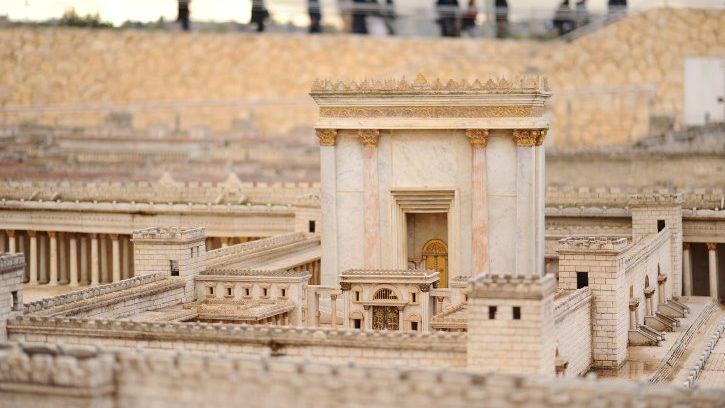
Chapters 40-42 contain the first part of Ezekiel’s temple vision. He is told to pay close attention so he can tell all to Israel. The temple described has some commonalities with Solomon’s temple, but much is different. While a temple will be rebuilt, this temple is never realized in the Bible. Ezekiel’s temple compound is 750 feet by 750 feet. It has three gates, courtyards, chambers, holy places and equipment. The Zadokite clan is set apart as the only Levites to “draw near” to God – to offer sacrifices on the altar. The temple is adorned with winged creatures and palm trees. There are holy chambers, places to store holy things.

The temple is at the center of God’s restoration of Israel, both physically and spiritually. It is a part of the sanctifying process, making Israel into the holy people of God. For Ezekiel and his audience, the temple represented God’s presence with the people. These words and vision bring hope and encouragement to the people living in exile. God longed to live amongst the people of God. God still longs to live amongst us today. May it be so.

Prayer: Lord God, your power and might extend over all things: over Gog and his allies, over today’s idols and temptations, over our selfish hearts. Ezekiel’s temple vision reflects your power and might. But it is still just a building. Just as your presence will fill this visionary temple, fill our hearts with your indwelling spirit, transforming our lives and our hearts. Amen.


Leave a comment

Charges and Judgments

Reading: Ezekiel 22-26

Ezekiel 22:30 – “I looked for anyone to repair the wall and stand in the gap for me on behalf of the land… But I couldn’t find anyone.”

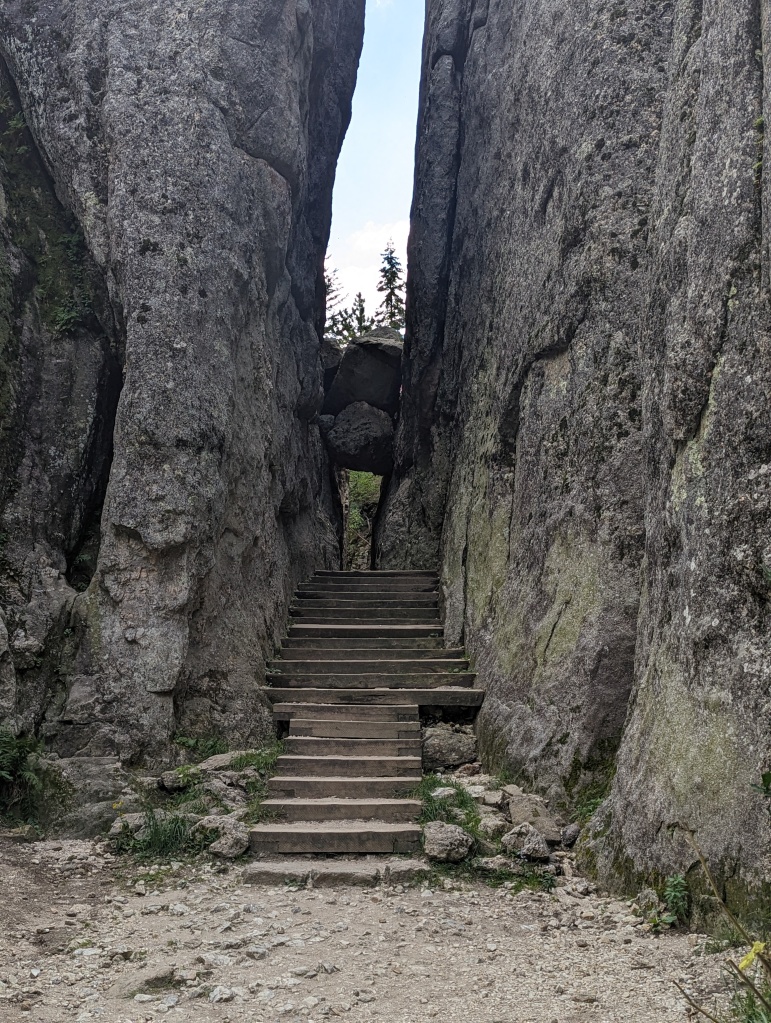
Photo credit: Jametlene Reskp

We begin with chapter 22, where God brings charges against Jerusalem and then closes with a lament, revealing the heart of God. The charges are a summary of how Judah broke each of the Ten Commandments. God will scatter them and refine them like silver in the process. The chapter ends with this lament: “I looked for anyone to repair the wall and stand in the gap for me on behalf of the land… But I couldn’t find anyone.”

Chapter 23 contains an allegory of two sisters. It is the story of Israel and Judah, God’s people who prostituted themselves with multiple foreign powers and their idols, one after the other. The younger sister, Judah, proceeded to outdo the older sister, Israel. Instead of learning from her sister’s wayward ways, she amplified them. God turned both sisters lovers against them, pouring out God’s wrath upon them.

There are two parts to chapter 24. In the first part Judah is compared to a corroded pot. It will be heated so hot that its corrosion will be consumed. Judah will not be cleansed until God’s wrath has fully burned. In the second part, Ezekiel’s wife dies as a part of a sign act. God directs him not to mourn in any way. He follows instructions. So thorough will be Judah’s defeat that they too will walk around in stunned silence, unable to even grieve.

Chapters 25 and 26 contain oracles or judgments about Judah’s neighbors: Ammon, Moab, Edom, Philistia, and Tyre. Ammon and Moab took great delight in Judah’s downfall. Edom joyfully took part in Jerusalem’s destruction. The Philistines exacted revenge for past defeats and losses. All but Edom “will know that I am the Lord.” Our reading closes with the judgment of Tyre. They too ridiculed Judah (and God) at her downfall. The people around Tyre will shudder in terror at what befalls Tyre, who will “disappear” as God leads them “down into the pit.” Such will be the fate of all who oppose the Lord our God.

Prayer: Lord God, our innate selfishness is on full display today. We continue to struggle with want and greed, with lust and desires, with idolatry and disobedience. We are not all that different than Oholah and Oholibah, than Moab or Philistia. We too deserve your wrath. We too should be refined like silver. Instead, you brought grace in the form of your son. Today, Lord God, we thank you that we stand on this side of the cross, where love was poured out instead of wrath. Thank you, Lord Jesus. Amen.


Leave a comment

Hope, Yes, Even Then

Ezekiel 20:33 – “As surely as I live, with a strong hand, an outstretched arm, and with wrath poured out, I will be your king!”

Good and evil 1

We begin today with a riddle. The great eagle is Nebuchadnezzar, king of Babylon. He planted Zedekiah, but he rebelled, trying to form an alliance with Egypt. But Pharaoh wouldn’t help. Zedekiah went into exile. In chapter 18 God clarifies the consequences of their sin. Contrary to popular understanding, sins and their consequences are not carried on through the generations. Through a three generation example, God reveals that the righteous will live. The sinful will die. God states in verse 30, “I will judge each of you according to your ways.” The chapter concludes with a plea from God: choose life.

Chapters 19 and 20 lament Israel’s leaders and history, respectively. In chapter 19 poor leadership has resulted in Israel and Judah being planted in the desert – in exile – in a “parched and thirsty land.” God then reviews Israel’s long, long, long history of disobedience. Again and again and again God is ready to “pour out my wrath” on Israel and again and again and again we read that “for my name’s sake” God gives Israel another chance. Whether literally or figuratively it was again and again, “one more lap around the desert” as God tried and tried to bring Israel into a lasting covenant relationship. Finally, in 20:33 we read, “As surely as I live, with a strong hand, an outstretched arm, and with wrath poured out, I will be your king!” There will not be another lap, another “again.” Yet even as disaster looms, God speaks hope. After the doom, God will regather the small remnant. God will “bring you into the covenant bond.”

Chapter 21 describes the disaster soon to come. The guard will strike all – left and right, twice and three times. Reminded of their guilt, they will be laid low. “A ruin, ruin, ruin, I’ll make it!” declares the Lord.

Prayer: Lord God, these words of death and loss and devastation and disobedience can be hard to read. They are hard to wrap our heads around. Yet we also must acknowledge that just as you laid out the way to live, the people chose to walk the other way. We too face the same choice: life or death. Guide us to choose life, to choose to walk in your ways of love and grace, of justice and righteousness. Amen.


Leave a comment

Warning and Promise, Reality and Hope

Reading: Lamentations 1-2

Lamentations 2:19b – “Pour out your heart before my Lord like water. Lift your hands up to him for the life of your children.”

Photo credit: Shane Rounce

Today and tomorrow we read through Lamentations. These five acrostic poems lament the fall of Jerusalem and the suffering that followed. Jeremiah (and/or others writing in his voice) give a vivid and emotional account of this dark time in Israel’s history. Jews have read this book yearly during the month of Ab as a reminder of the consequences of sin and disobedience to God’s Instruction.

Chapter 1 opens with “Oh no!” This phrase evokes the wailing customary in a Hebrew funeral dirge. Jerusalem is personified as a woman, sitting alone, widowed and enslaved. There is no one to comfort her. She recalls the treasures that filled the palace and temple. She also laments the walls and gates being destroyed. She now feels “naked.” There is also the harsh reality of survival laid bare in these words. Hunger is prevalent. People sit on the ground and moan, fainting from lack of strength. As I envision this scene, my mind goes to places like Gaza and the Ukraine.

Running throughout chapters 1 and 2 is an acknowledgement. Israel and Judah have brought this upon themselves. Their sin, their disobedience, the false prophets – all led to this outcome. The nation who touted God’s presence, power, and might has been laid low by God’s almighty hand. Israel’s enemies rejoice. But even though God “ripped down, showing no compassion” and even though “the comforter who might encourage me is nowhere near,” there remains a faith and a hope in God. The writer encourages Israel and us to, “Pour out your heart before my Lord like water. Lift your hands up to him for the life of your children.” May this be our prayer when we find ourselves in times of suffering and hardship.

Prayer: Lord God, the reality of pain and suffering is right there. The cost of turning from you and walking in the ways of the world is laid bare today. May we read and feel these words, O Lord, as both warning and promise, as both reality and hope. May they work in us to yield faith and obedience to your will and way. Amen.


Leave a comment

Fully Poured Out

Readings: 2nd Kings 22, 2nd Kings 23, 2nd Kings 24, 2nd Kings 25

2nd Kings 25:21 – “So Judah was exiled from its land.”

Photo credit: Mukund Nair

Today’s reading begins with Josiah. While repairing the temple, the instruction scroll is found. Hearing its words, Josiah rips his clothing in anguish and sends folks to inquire of the Lord. He recognizes how far Judah (and Israel) had wandered from the Lord. Disaster is coming soon, says the Lord. And yet Josiah sets out to love God with all his heart, being, and strength. The covenant is restored. All of the shrines, altars, temples, poles… are removed. They celebrate the Passover. And Josiah dies in a battle with Pharaoh Neco.

Jehoahaz’s short reign in followed by Jehoachin. Fulfilling God’s word to Josiah… King Nebuchadnezzar and Babylon’s army arrives. In addition, raiding parties from many local tribes damage Judah. After three months, Jehoachin surrenders. All of the temple and palace treasures are hauled off, the temple items are cut up, and most of the people are taken into exile. A handful plus the poor are left behind to manage the crops. Newly renamed Zedekiah is left to rule. After 11 years, he rebels against Babylon. A new siege leads to a severe famine in Jerusalem. Zedekiah tries to escape but is caught. He watched his sons die and then is blinded, chained, and hauled off to exile in Babylon.

Guard commander Nebuzaradan oversees the burning of the temple, palace, and homes of Jerusalem. He oversees the Chaldeans tearing down the entire wall. The poor are left to farm the land. In 25:21 we read, “So Judah was exiled from its land.” All is in ruins. God’s anger has been fully poured out.

2nd Kings closes with a small happy note. After 37 years in prison in exile, Jehoachin is paroled by new king Awil-merodach. He allows Jehoachin to eat at his table.

Prayer: Lord God, perhaps the high point in Judah since the days of David and Solomon are followed by the great fall of Judah and the ruin of Jerusalem. This brings with it feelings associated with Holy Saturday. Today is a solemn day of final introspection and reflection as we close the season of Lent. It is much like the time in exile will be. Lead and guide us, O Lord, meld and mold us, remake us even, so that we can walk faithfully in ways. Amen.


Leave a comment

Finding God

Readings: 1st Samuel 4, 1st Samuel 5, 1st Samuel 6, 1st Samuel 7

1st Samuel 5:11 – “Send the chest of Israel’s God away! Let it go back to its own home so it doesn’t kill us and our people.”

Have you ever been around someone who has said something like, “I feel like we should say a prayer or something?” This thought reminds me of Israel at this point in their story. They have a vague notion of God but have no clue about how to really connect to the Lord. As the battle with the Philistines goes badly, they wonder why God would let this happen. But instead of praying or doing anything else that might connect them to God, they decide to bring the ark of the covenant to the next battle. This battle turns out worse. 30,000 die, the ark is captured, and Hophni and Phinehas die. This news causes Eli to fall over dead.

The ark brings nothing but trouble to the Philistines. They put it in their temple and their god Dagon falls over. They set it aright and the next morning it’s toppled again, this time missing its head and hands. The hand of God brings tumors on the people. Finally the Philistines say, “Send the chest of Israel’s God away! Let it go back to its own home so it doesn’t kill us and our people.” The Philistines even include an offering to honor God. At this point they know God better than the Israelites know God. The ark is received back. Time passes and Israel begins to long for God. Something is beginning to stir in their hearts.

Samuel calls the people back to God. He tells them to get rid of their idols and foreign gods. They gather with Samuel at Mizpah. Samuel draws and pours out water. They fast and confess their sins. And the Philistines gather an army. Israel is afraid. They look to Samuel. He prays to God and makes an offering. God brings Israel the victory. Samuel sets up an Ebenezer – a stone of remembering. There is peace. Samuel rules as a judge. All seems well…

Prayer: Lord God, today I’m reminded of how life seems to go when we go it on our own versus walking with you. When I’m tempted to sort of seek you, call me out. Remind me that it is my whole heart, soul, and mind that you seek. Pour those temptations out like water and draw me to the rock of faith that is a sure foundation. Amen.