pastorjohnb

Thoughts and musings on faith and our mighty God!


Leave a comment

Because God Loves Us…

Reading: 1st John 4:7-21

1st John 4:12b – “If we love each other, God remains in us and his love is made perfect in us.”

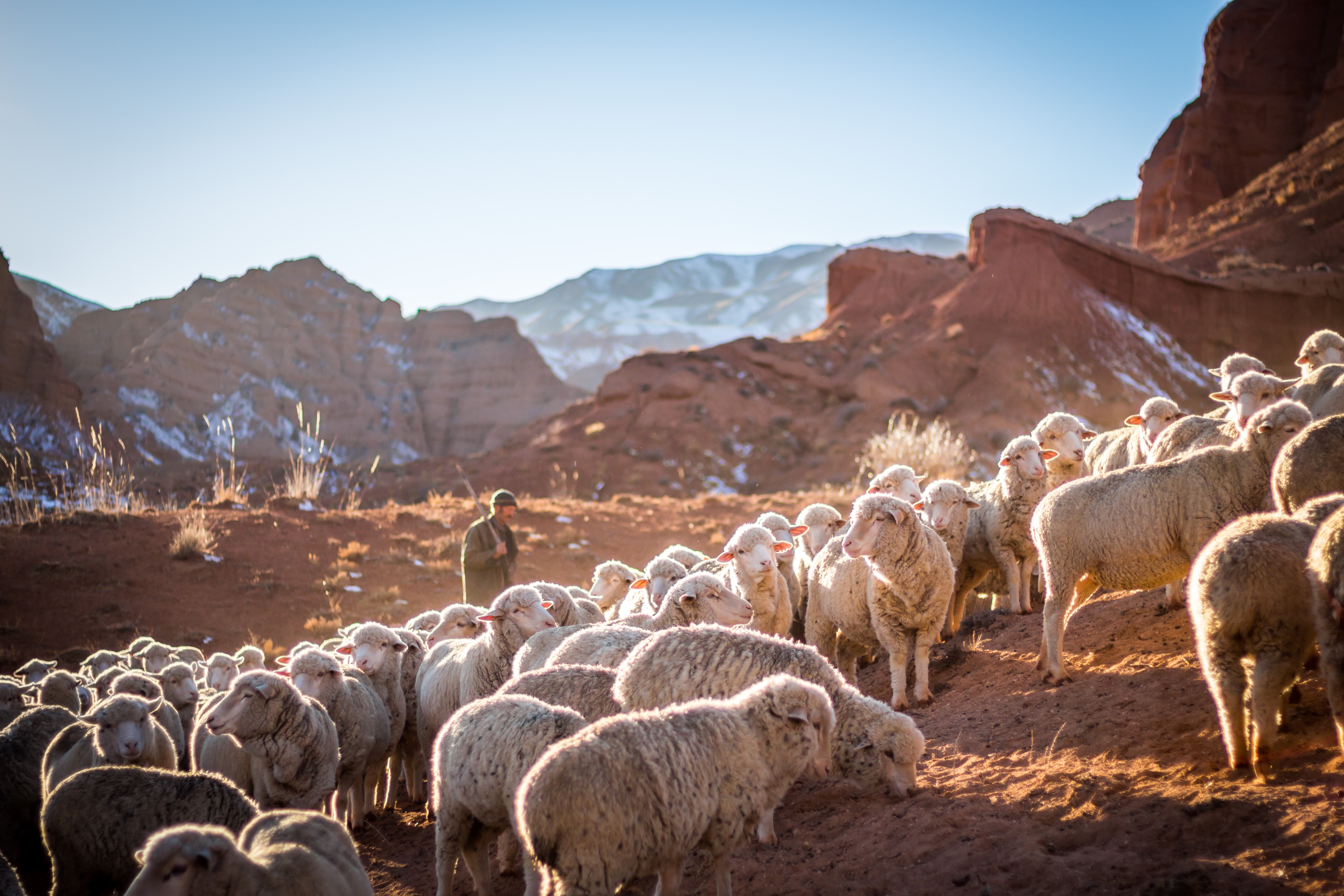
Photo credit: Shane

Our passage begins with John imploring us, “dear friends,” to love one another. The foundation for this charge is built upon two things. First, love is God. Love comes from God. God is love. Second, those who practice love are born from God and know God. There is a relationship formed as a believer professes Jesus Christ as Lord and Savior. This relationship is grounded in God’s love.

All relationships are two-way. The apostle John first establishes proof of God’s love for us in the fact that God sent Jesus to be the atoning sacrifice for our sins. John also reminds us that God has given us the indwelling presence of the Holy Spirit. This is the second proof. This is how God’s love remains in us and enables the relationship to be two-way. We next read about how we offer proofs of our love of God through our love for one another.

In verse 12 we read, “If we love each other, God remains in us and his love is made perfect in us.” John Wesley picks up on this idea in what he called ‘going on to perfection.’ Wesley understood the Christian faith as a process of unending growth. Loving more and wider changes the believer for the good, maturing and deepening our faith. Now, this call to love and the process of maturing in our faith – they are not easy.

John reflects this as he writes these words of encouragement: “Perfect love drives our fear.” To love one another as God loves us will call us to risky places, to challenging conversations, to situations where we lie self on the line. Yet we do not go alone nor do we do these things by ourselves. Because God loves us, God goes with us into these places, situations, and conversations where we are called to be love and light, hope and peace, trust and justice, grace and forgiveness. Through God’s unconditional and faithful love, may we seek and strive to love all of our brothers and sisters just as God loves us.

Prayer: Lord God, emboldened by your love, guide us to step out in faith, without fear and without concern for self. Bring us into all the places and lives that need to know your love. Empowered and encouraged by the Holy Spirit, lead us to practice your love well so that others may come to experience and know your love in their hearts. Amen.


Leave a comment

Humility and Love

Reading: 1st Kings 3:3-14

1st Kings 3:5b – “Ask whatever you wish, and I’ll give it to you.”

In our reading today God comes to Solomon in a dream. He has just become king, succeeding his father David. While David has set a great example for Solomon, all wasn’t perfect. The temple had not yet been built so people are sacrificing at local shrines. As we begin our reading we see that this is also Solomon’s practice. We also see that Solomon loved God and sought to walk according to the Law. Solomon goes to Gibeon and offers a very large sacrifice to God. Gibeon was the location of the Tabernacle. The ark of the covenant, however, was in David’s tent in Jerusalem.

That night God appears to Solomon in a dream. God says to Solomon, “Ask whatever you wish, and I’ll give it to you.” What an open-ended question! Before pressing on in our passage, we pause to ask ourselves: What would be my response to this question? Solomon’s response demonstrates both humility and his love of God. After thanking God for walking with David and for passing the kingship on to him, Solomon acknowledges his youth and inexperience. Accordingly he asks for “a discerning mind in order to govern your people” and for the ability “to discern good from evil.” Solomon also recognizes the impossibility of leading Israel without God’s help.

The Lord is pleased and grants Solomon’s requests. These requests were aligned with God’s will and plans for Solomon and for Israel. In addition, God grants Solomon wealth, fame, and the possibility of “a very long life.” This last part is contingent upon Solomon’s continued faithfulness to God.

Solomon sought to honor God with his request. His humility and Love of God drove his petition. May it be so with us as we lift our petitions to the Lord our God.

Prayer: Lord God, guide us to walk in humility, recognizing our need for your direction on our lives. Lead us to see with honest and clear eyes and hearts, recognizing our own weaknesses. Fill us with your presence, empowering us to bring you the glory in all we say, do, and think. Amen.


Leave a comment

Our Great High Priest

Reading: Hebrews 10:19-24

Hebrews 10:19 – “Brothers and sisters, we have confidence that we can enter the Holy of Holies by means of Jesus’ blood.”

Hebrews 10 begins with a description of Christ’s “once-for-all” sacrifice. The author explains that Jesus, through his sacrificial death, put an end to the old sacrificial system. This system was unable to “take away our sins.” In addition, the mechanics of the system prevented a personal connection to God. The priest heard your sin and offered the atoning sacrifice on your behalf. There was also a second barrier to God. The Holy of Holies, the space which held the ark (God’s presence,) was separated off by a huge curtain. The high priest alone entered this most intimate and sacred space just once a year, seeking forgiveness and blessing for the people of God.

Verses 19-24 are a summary of what Christ’s sacrifice means for us. In the first verses we read, “Brothers and sisters, we have confidence that we can enter the Holy of Holies by means of Jesus’ blood.” As Christ breathed his last breath the curtain in the temple was literally torn in two, top to bottom. The physical barrier was removed. Christ opened the way, “a new and living way,” so that we could have a personal relationship with God. Christ is our new “great high priest” that invites us to draw near to God with a genuine, cleansed heart. Forgiveness and cleansing are ours every time we confess and repent of our sins. Jesus’ blood was and is the “once-for-all” sacrifice that stones for our sin. Hebrews also reminds us that we can “hold onto the confession of our hope,” because Jesus is faithful. We have confessed Jesus Christ as our Lord and Savior. It is only in and through him that we can remain faithful too. Thanks be to God.

Prayer: Lord God, thank you for the new covenant, one written on our hearts because Christ’s Spirit dwells in our hearts. This personal and intimate connection is a great gift. You are with us always. Lord, lead and guide us to live out our faith, encouraging one another in love. May this love lead us to be and do good in the world, drawing others into the new and living hope that we have in you. Amen.


Leave a comment

He Came to Save

Reading: John 3:13-17

John 3:17 – “God didn’t send his son into the world to judge the world, but that the world might be saved through him.”

As we turn to the gospel of John for the week ahead, today we read one of this gospel’s most well known verses: “God so loved the world…” This verse is seen on signs at ball games, on T-shirts, on artwork in homes and houses offices. It is an important reminder of the depth of God’s love for us and of the gift that Jesus’ sacrifice was for you and for me.

In verse 13 we’re reminded of the incarnation, itself a sacrifice. Paul reminds us that Jesus emptied himself, giving up his divinity to come to earth in the flesh. Coming from heaven also allowed Jesus insight into what he would die for: so that we could one day join him there.

Connecting to the healing and life that the Israelites received in the wilderness when Moses lifted the golden serpent (Numbers 21,) Jesus declares that he must be lifted up for us to receive eternal life. Is he referring to being lifted up onto the cross, being lifted up out of the grave, being lifted up into heaven, or all three?

Jesus’ death and resurrection defeated the powers of sin and death. We are forgiven and raised to new life through these actions of Jesus on our behalf. In verse 17 we read, “God didn’t send his son into the world to judge the world, but that the world might be saved through him.” Jesus did not come to judge or to condemn. He came to save – to save us from ourselves, from the lies of the world, and, yes, from the powers of sin and death. Thanks be to God.

Prayer: Lord God, thank you for your great love for us. It was revealed first in your taking on flesh. It culminated in sacrificing that flesh as the atonement for our sin. All so that you could save us. What a deep love you have for us, your sons and daughters. Thank you, Lord. Amen.


Leave a comment

Here and Now

Readings: Luke 17:20-21 and 22:14-20

Luke 17:21 – “Don’t you see it? God’s kingdom is already among you.”

In Luke 17 some Pharisees ask Jesus when God’s kingdom is coming. Maybe they hope Jesus will turn into the kind of Messiah they’re looking for: strong, powerful, able to defeat the Romans. Or maybe they hope that since Jesus claims to be the “Son of Man,” then he’ll be able to tell their when their Messiah will come. Inviting these religious leaders into the present reality, Jesus says, “Don’t you see it? God’s kingdom is already among you.” Open your eyes and hearts, it is here and now.

This can be a question Christians can ponder too. One can think that accepting Jesus will be a cure for all that ails us. One can think that life will only be blessed because we’re following Jesus. No, all of life still happens. Jesus will and does walk with us, bringing peace and hope in the storms, comfort and strength in the trials… In turn, we offer these to others. This is the kingdom of God at work here and now.

Almost a week later, Jesus gathers in Jerusalem with his disciples. It is Passover and they are gathered around the table. Jesus shares two interesting things with the disciples. First, he “earnestly desires” to share this meal with them. Second, he tells them, “I won’t eat it until it is fulfilled in God’s kingdom.” Little did they know, this would be the next day. Jesus then share the bread as his “body… given for you.” Then the cup is shared as the “new covenant… poured out for you.” After Jesus fulfills these words and their promise, completing this act of sacrifice, followers of Christ will remember this gift by celebrating Holy Communion. Each time, in that moment, God’s kingdom is here and now.

Prayer: Lord God, thank you for your presence with us and through us. When we experience or share your light and love, your grace and peace, your hope and strength, the kingdom of God manifests itself here and now. We are reminded of the depth of your light and love… in the sacrifice you made on the cross. When we remember this act, we are made new again, here and now. Thank you for this gift. Amen.


Leave a comment

A Clean Heart, A Faithful Spirit

Reading: Psalm 51:1-17

Psalm 51:10 – “Create a clean heart for me, God; put a new, faithful spirit deep inside me!”

Today’s Psalm is believed to be David’s response to Nathan confronting him about his great sins around Bathsheba. When he realized the depth of his sin, David became deeply remorseful. While adultery and murder are serious sins, we must keep in mind that any and all sin separates us from God. There are no levels or degrees of separation from God’s view.

David seeks God’s mercy and cleansing. Only God can offer these means of grace and newness. David longs to be made clean so that he can “hear joy and celebration again.” He wants to be restored. And he wants to be able to teach others – so they can return to God as well.

In the Psalm we see an acknowledgement of our human condition. David admits “my sin is always right in front of me.” Sin is ever knocking at the door of our heart. While our sins can certainly affect others, sin primarily affects our relationship with God. It is God alone that has the power to change our hearts and, in turn, to create the praise that comes from a heart tuned to God.

Because God desires truth and wisdom in “the most hidden places” (in our hearts,) David invites God to “create a clean heart for me, God; put a new, faithful spirit deep inside me!” God alone empowers us in our battle with sin. Only through the power of the Holy Spirit can our “broken spirit” become a “faithful spirit,” the sacrifice that God desires. Dying to our old self, breaking that worldly pull, we open ourselves to living as a child of the light. May it be so for you and for me.

Prayer: Lord God, bring us again and again to the place where David is at in this Psalm. Bring us to the place of honesty with ourselves and with you, to the space where we can lay all of our sin before you, begging to be made new again. Walk forward from there with us, O God, encouraging and empowering us to be Spirit-filled creations, living joy, bringing you glory and praise. Amen.


Leave a comment

Communion = Community

Reading: 1st Corinthians 11:23-32

1st Corinthians 11:28 – “Each individual should test himself or herself, and eat from the bread and drink from the cup in that way.”

Photo credit: Geda Zyvatkauskaite

We seek to “stay in love with God” through various means of grace. One of these is Holy Communion. This sacrament first reminds us of Christ’s loving sacrifice on our behalf. The giving of his innocent blood in place of ours made atonement for our sins, paying the price for forgiveness. We approach this gift with a deep sense of awe and reverence.

Sometimes we do something for a while and it becomes just going through the motions. Perhaps you’ve felt that before with something like the Lord’s Prayer. For the church in Corinth, the Lord’s Supper had become one of those things. It was now causing more harm than good. It was creating division in the church. At this point it was more like what we’d call a “love feast” than what we recognize as a communion with its liturgy and formality. In Corinth, it had become a “private meal” with the rich getting drunk and stuffed while the poor were left hungry and thirsty. The church has forgotten that love, sacrifice, service, and community were at the heart of the Lord’s Supper.

Paul addresses this situation by reminding the church that the Lord’s Supper is centered on and celebrates the new covenant made by Jesus Christ. He also reminds them, though, that this communal celebration begins with individual preparation: “Each individual should test himself or herself, and eat from the bread and drink from the cup in that way.” Each person must come before God, humbling confessing and repenting of their sins. This necessary step prepares each to be made “new” again as the blood of the Lamb washes away their sin. To not take this step is to hide or hold onto one’s sin. This brings judgment and condemnation instead of forgiveness and grace.

For each person to come before God, to confess and repent, it levels the playing field. It places us all equally before the table of grace, all sinners redeemed by his blood. In this way, community is restored. It brought one body to the one bread, one blood. That was Paul’s goal. It should be our goal. May it be so.

Prayer: Lord God, draw us to our knees, to the place of confessing and repenting of our sins. Open up our hands and hearts to release all that separates us from you and from one another. As we come clean, thank you for making us clean. Thank you for your great love that washes away our sins and failures. Thank you for your redeeming love. Amen.


Leave a comment

A Heart Tuned

Reading: Micah 6:6-8

Micah 6:7 – “Will the Lord be pleased with thousands of rams, with many torrents of oil?”

“What does the Lord require?” That is the title for the section of scripture that we read today. We learned yesterday, from Luke 10, that a good answer is to love your neighbor. It becomes a great answer when we understand that our “neighbor” is anyone in need. Loving God with all that we are was the other part of the legal expert’s “correct” answer to the same basic question. Today we read Micah’s thoughts on this question. The prophet focuses on both sides of the love God, love neighbor concept.

Micah begins with the “religiously correct” answer. Sacrificial offerings were the culturally acceptable response to your God/god, whether you were Hebrew or Moabite or Canaanite. Although Israel’s understanding was not quite as transactional as this process was with pagan gods, there was certainly an element of checking the box at this point in Israel’s history. Their going through the motions disgusted God. That is why Micah, tongue-in-cheek, asks, “Will the Lord be pleased with thousands of rams, with many torrents of oil?” Speaking to the pagan practices and to the point he is making, he next asks, “Well, then, how about my oldest child instead?”

The real answer to the title question comes in verse 8. It is a heart tuned fully to God. That is what is “good.” That is what God “requires.” This is because a heart tuned to God will naturally be a heart tuned to our neighbors. In the last part of verse 8 the prophet reveals what this heart looks like: “to do justice, embrace faithful love, and walk humbly with your God.” To work to make things right, to be faithful in our relationships with God and with one another, to humbly allow God to transform us, day by day, more fully into God’s image. May it be so.

Prayer: Lord God, we are much like the people of Micah’s day. Just tell me when I have to show up for church, just take my offering, just let me check the box. We want the easy. That leaves more for us. Yet you want so much more. Yes, worship and giving are important. But you want our heart, not our things. You want our unconditional love, not our passing attention. Lord, tune our hearts to yours. Lord, teach us what humility and justice and faithful love truly look like. Remind us of Jesus. Amen.


Leave a comment

Equipped

Reading: Romans 15:14-20

Romans 15:14 – “You yourselves are full of goodness, filled with knowledge, and are able to teach one another.”

Photo credit: Shane

At the start of chapter 15 Paul encourages the people in the church in Rome to be patient with and to build up one another. He encourages them to have the attitude of Christ and to welcome others as Jesus did. Paul wants to see their hope and joy overflow into the world through the power of the Holy Spirit. As we turn to verse 14, Paul is reminding the church that it is not just the pastor’s job to grow the church and the faith of those in the church and wider community.

In verse 14 we read, “You yourselves are full of goodness, filled with knowledge, and are able to teach one another.” They have been shaped and formed into people that are equipped to minister to one another and to the world. They are ready to shape and form one another and any new disciples. He is reminding them “of what you already knew.” If they are to call themselves “Christians” then they need to model Christ. They too are to witness to their faith in God just as Jesus did. Paul has also set for them an example of what good ministry looks like. Bringing others to faith and growing their faith has happened “by what I’ve said and what I’ve done.” Paul has both encouraged and challenged the church, both built them up and called them out. And now the Roman church has been equipped to do the same. These words apply to us as well. As followers of Jesus Christ we have been equipped to help others know Jesus and to help one another grow in our faith.

Modeling Jesus with our words and actions is easy sometimes. Sharing joy and hope and love is not hard. The challenge comes when we are called to speak or act in situations where injustice or sin or some other wrong is taking place. To lift God’s will and way to the forefront and to challenge others to walk in this way can be hard and it can be costly. To fail to speak or to act will cause harm. Trusting in God, in the example of Jesus, and in the guidance of the Spirit, may we choose sacrifice and service to others.

Prayer: Lord God, there are times when it is easy to be a faithful witness in word or in deed. Encourage us to do so! And we also find ourselves in times and places when the Holy Spirit calls us to hold others accountable to who and what you call us all to be. Encourage and empower us to love you and neighbor even when it is hard and risky. All to your glory! Amen.


Leave a comment

Care Well

Reading: Genesis 1:26-28

Genesis 1:26 – “Let us make humanity in our image to resemble us so that they may take charge of... all the earth.”

Today we turn to the day of creation when Father, Son, and Holy Spirit created humankind. In connection with one another, God says, “Let us make humanity in our image to resemble us so that they may take charge of... all the earth.” Humanity is to be like the divine in the ways that we are in the world. Keeping this in mind, how we understand “take charge” bends toward steward, care for, protect, guard, and love.

This week we have been considering prayer. Some of our thoughts have focused on unanswered prayer. What would it look like to blend the best intents of ‘take charge’ with some of the unanswered prayers that people pray? What would our world be like if we ourselves sought to be the answer to people’s needs?

If we saw the resources that we have been blessed with as ways to care for the hungry, the sick, the naked, the imprisoned, then how would our world change? If we saw our role as the protector and defender of the vulnerable, the weak, the marginalized, the oppressed, then how would their lives change? If we were willing to risk and sacrifice on behalf of those without voice, without power, how would a new reign of justice and mercy become the reality in our world?

Because we are created in the divine image, we have within us the ability, the power, and the heart to care well for our world and for all of the earth. May it be so.

Prayer: Lord God, bend our hearts towards your heart. Remove the selfish, inward focus that creeps into our hearts, our thinking, our way of acting and being in the world. Empower us to be the answer to these questions pondered today. Amen.