pastorjohnb

Thoughts and musings on faith and our mighty God!


Leave a comment

What We Need

Reading: Matthew 7:7-11

Matthew 7:7 – “Ask, and you will receive. Search, and you will find. Knock, and the door will be opened to you.”
Today’s teaching on prayer comes in the middle of “The Sermon on the Mount,” a collection of Jesus’ core teachings found in Matthew 5-7. It is the largest block of Jesus’ teachings in the gospels. John Wesley, the founder of Methodism, called these words “the sum of all true religion.” Gandhi, a non-Christian, read the sermon every morning.

Jesus begins this section on prayer with these words: “Ask, and you will receive. Search, and you will find. Knock, and the door will be opened to you.” These words fall within the context of the larger sermon. Plucked out of this context, they can make God feel like a genie in a bottle – except with unlimited wishes. All of the sermon points towards how to love God and neighbor as God intends us to. The idea of asking, searching, and knocking fall within and are aligned with God’s intent for our lives.

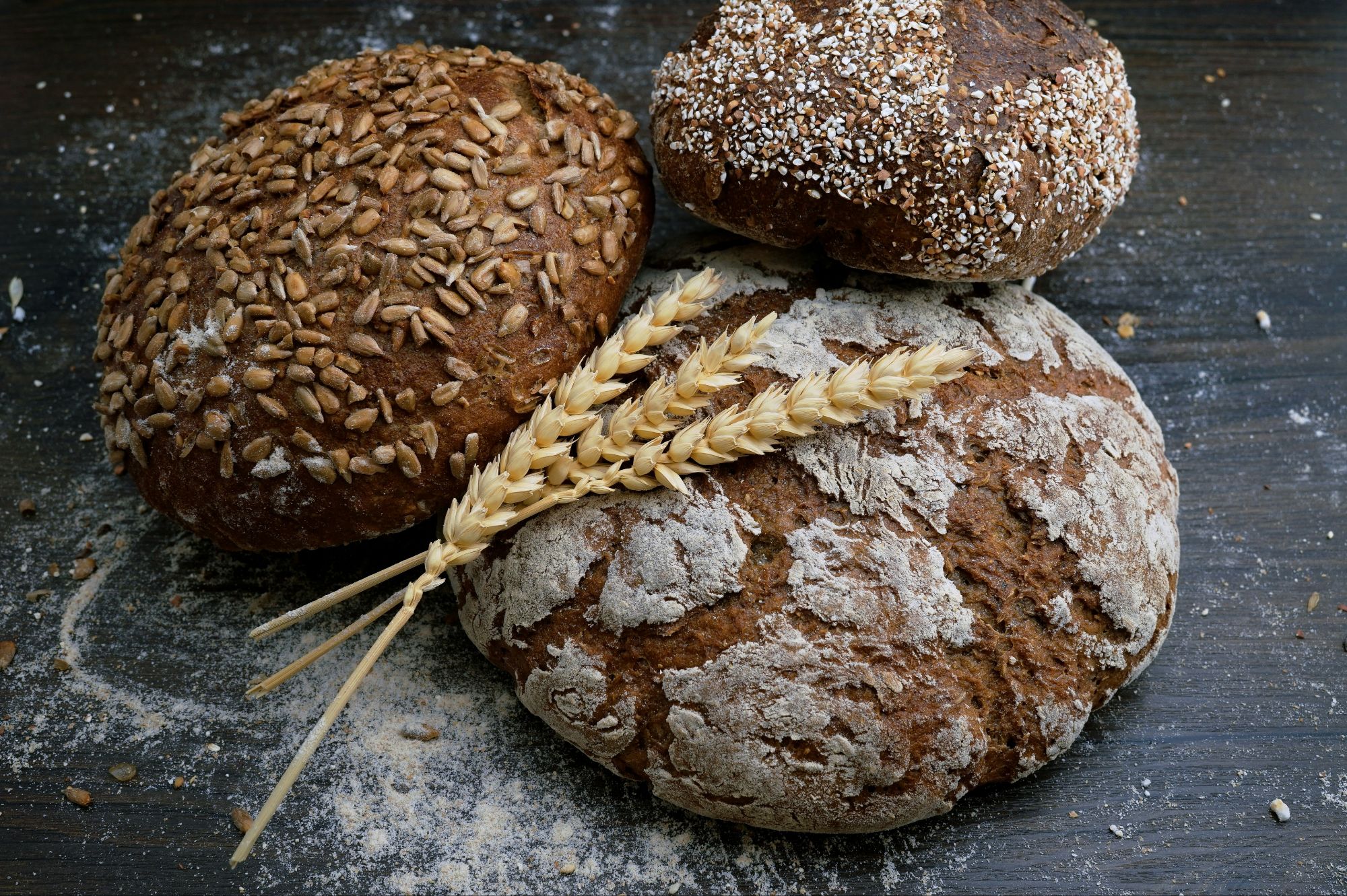
This becomes clear as we read on. Addressing daily provision as his example, Jesus muses upon what a father would give a child who asks for bread or for a fish. These are basic staples of their diet. Recall the feeding of the 4,000 or the 5,000. What did the boy have in his lunch sack? Continuing, Jesus points out that no good earthly father would instead give their child a stone or a snake. Extending this idea, Jesus adds, “how much more will your heavenly Father give good things to those who ask him.” Yes, our good God will provide for our daily needs when we ask, search, and knock.

Prayer: Lord God, thank you being a good, good father. Thank you for watching over us and for providing what we need. And thank you for not spoiling us or granting our every whim. We know how that turns out. We, in turn, are called to love you and to love others through the same good and generous practices that you model. Lead us to care well for the needs of others as we are able. Amen.



Leave a comment

May the God of…

Reading: 1st Samuel 1:9-17

1st Samuel 1:16b – “This whole time I’ve been praying out of my great worry and trouble.”

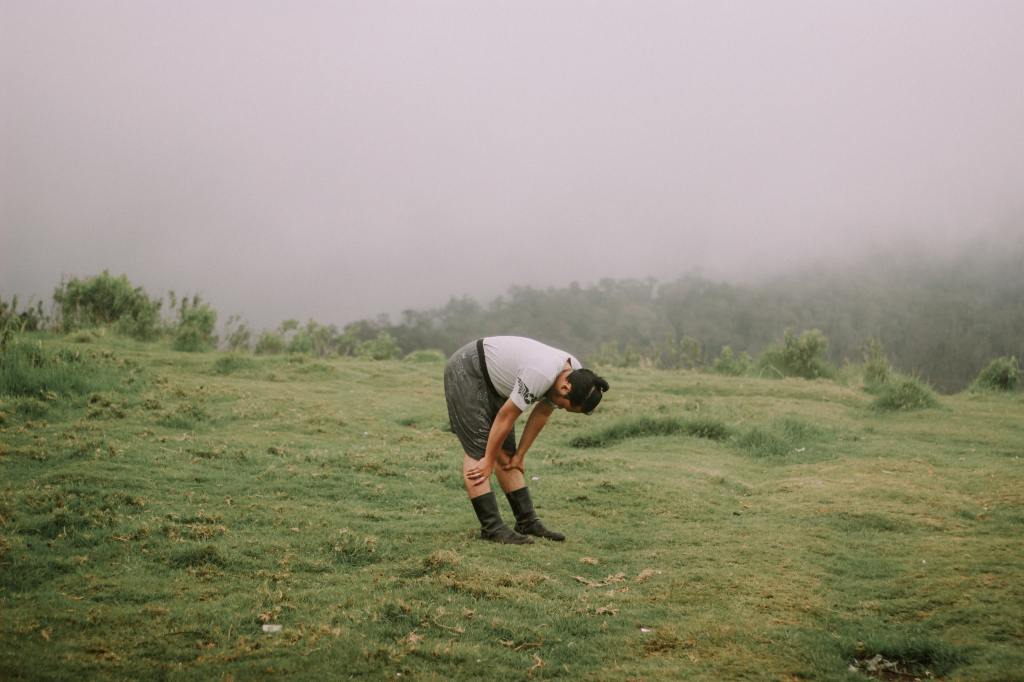
Photo credit: Rainier Ridao

Today’s scene is located in a place of worship in Shiloh. Elkanah, the husband of Hannah and Peninnah, takes his family here once a year to worship and sacrifice to the Lord. Hannah’s life is very hard emotionally. Peninnah would “make fun of her mercilessly” because Hannah was unable to conceive children. Children, especially male children, were highly valued in that culture. If Elkanah died, for example, Hannah’s survival would depend on her offspring. Bearing and raising children was Hannah’s main responsibility in life and she was unable to meet this expectation.

It is with heaviness of heart and soul that Hannah goes to the place of worship. She is “very upset” and she “couldn’t stop crying.” She pours our her heart to God, begging for a son, promising to “give him to the Lord for his entire life.” This willingness to give up a son reveals the depth of her pain and shame over being childless. While our society today doesn’t place the same premium on bearing children, what does bring shame in our culture? If you are without ____, what marginalizes people today?

Eli sees Hannah praying. The priest assumes that she is drunk. She is not. She says to Eli, “This whole time I’ve been praying out of my great worry and trouble.” She has almost assuredly prayer for a child ever since marrying Elkanah. The desperation has risen with each child Peninnah bore to him. Understanding the depth of her pain, sorrow, and shame, Eli blesses her, saying, “May the God of Israel give you what you’ve asked from him.” In our moments of great need, may it be so for us as well.

Prayer: Lord God, sometimes we feel like Hannah. Sometimes we feel marginalized and less than. For some folks, though, that is their “normal.” Lord, open our eyes and awaken our hearts to those who exist on the edges today. With your love and compassion, guide us to draw them into community, into a place where they can find meaning and worth. Through the sharing of our blessings, use us to meet their needs. Amen.


Leave a comment

Bring Your Kingdom

Reading: Luke 11:1-13

Luke 11:9 – “Ask and you will receive. Seek and you will find. Knock and the door will be opened to you.”

Today’s passage holds three connected teachings on prayer. The first gives us a model for prayer. The second teaches us to be persistent in our prayers. The third reflects on the goodness of God’s answers to our prayers.

Our passage begins with a disciple asking Jesus to teach them how to pray. Jesus models a prayer life that is worth emulating. The disciple wants to have what Jesus receives when he prays: joy, peace, strength, hope. The prayer Jesus teaches is a simple prayer. It begins with praise to God and quickly moves to seeking God’s will. Notice the focus: God. It then shifts to needs: our need for daily provision and our need for forgiveness – both given and received. The prayer model closes with a plea for protection from the world, our source of temptation.

Verses 5-10 tell the story of a friend in need. Hospitality was and is highly valued in Judaism. In the story a man cannot offer hospitality. He turns to his neighbor, who initially refuses to help. But because of his friend’s persistence around doing a good and right thing, the friends give his what is needed. Connecting to the idea of prayer, Jesus says, “Ask and you will receive. Seek and you will find. Knock and the door will be opened to you.”

Our reading closes by unpacking what verse 9 means in terms of God’s answers to our prayers. Jesus tells us that our heavenly Father, who is good, will surely give good gifts to his children. Running through the bread example and this portion is the meaning of “bring your kingdom.” In the translation that we know better it is worded “your will be done.” This good and right alignment will most often yield a fish or an egg instead of a snake or scorpion. And when our prayers yield what we see as a snake or scorpion at first – may we keep the faith in our good God who works all things towards good for those who love God.

Prayer: Lord God, prayer is at the center of our relationship with you. It is the place where we can openly and honestly express all that is on our hearts and minds – our needs, emotions, struggles, joys, praises. Help us to focus on the ways that our lives bring your kingdom into this world. Empower us to walk and live in faith. Amen.


Leave a comment

In Faith, Stand Sure

Reading: James 1:2-6

James 1:2 – “My brothers and sisters, think of the various tests you encounter as occasions for joy.”

Photo credit: Diego Gennaro

James 1 picks up on the spirit and ideas we read about a couple days ago in Romans 5. In verse 2 James writes, “My brothers and sisters, think of the various tests you encounter as occasions for joy.” This statement catches us a bit off guard. Tests… joy? We may not normally associate these two words. Like Paul, though, James looks at the end game. The testing we encounter provides us with an opportunity to practice endurance. James encourages us to let this endurance “complete its work.” If we do so, we emerge with a faith that is “fully mature, complete, lacking nothing.” This is the goal of our journey of faith.

This enduring is not always easy. In the depth of the dark valley we can be tempted to abandon our faith. In the heat of the trial, we can think it’d be easier to profess someone or something other than Jesus or faith. Timothy’s response to these realities? Ask for wisdom from God. Seek guidance and direction for how to endure. James reminds us that it is God’s nature to give. So ask!

Our passage closes with another word of encouragement: “Ask in faith, without doubt.” In faith and trust, believe that God is present and will walk with us through the valley and trials. Don’t be tossed and turned by the things of this world but stand sure in the Lord. May it be so.

Prayer: Lord God, as we’ve walked this walk of faith we have experienced the power found in your presence. We have stood firm and emerged from the testing stronger and more assured in our faith. Thank you for your constant presence and your faithful work in us. Amen.


Leave a comment

Not My Will

Readings: Luke 22:39-42 and Matthew 21:18-22

Luke 22:42b – “However, not my will but your will must be done.”

Photo credit: Falaq Lazuardi

As Jesus enters his final days on earth he goes to the Mount of Olives to pray. In the first verse we read “as was his custom.” Jesus Christ was a person of prayer. Even though he was God in the flesh, as a man he was also human. Perhaps his admonition to his disciples to not fall into temptation was also a reminder to himself. Jesus knows what lies ahead. This is the “cup of suffering” that he prays about. It is a cup that the human Jesus would rather not have to drink at this moment. At its core this is a “if there’s another way, God” kind of prayer. We’ve all prayed this kind of prayer – in many forms, in many situations. Then, from a place of humility and faith and surrender, we’ve prayed as Jesus prays, “Not my will but your will must be done.”

Our Matthew passage for today also comes from Jesus’ final week. It’s a few days earlier – on Monday instead of Thursday. Returning to the city, Jesus is hungry. He sees a fig tree but finds nothing but leaves. This tree is symbolic of Israel’s fruitless faith. With a word from Jesus, the tree dries up. The amazed disciples are told, “If you have faith and don’t doubt” then they will do this and more. They will even be able to move a mountain with their words. Extending the idea of the power of faith without doubt, Jesus adds, “If you have faith, you will receive whatever you pray for.”

If we combine the core teaching of these two lessons from Jesus, we find a key practice of our prayer life: pray in faith, aligned with God’s will. We do not always know God’s will. In these cases, we are to pray as Jesus prayed in the garden, with humility and surrender, “Not my will but your will must be done.”

Prayer: Lord God, as we walk through this life, seeking to be faithful and true to you, strengthen our faith and our trust in you. By your Spirit, lead us to grow in our faith, aligning ourselves more and more with your will and way. And using Christ’s example, guide us to humbly bend our will to your will. Amen.


Leave a comment

Are we? Do we? Will we?

Reading: Luke 10-11:36

Luke 10:36 – “What do you think? Which one of these three was a neighbor to the man who encountered thieves?”

Jesus sends out the 72 because the harvest is big and the workers are few. They are to heal and cast out demons. They are to share their blessing with people of peace. They are to trust in God to provide. Because they bring the kingdom of God near to people’s lives, they can rejoice: their names are written in heaven. We can be like the 72. Are we?

Next Jesus speaks of those places that have rejected the kingdom of God. It will be better for Tyre and Sidon and for Nineveh – the first would’ve listened and Nineveh did change hearts and lives. Jonah stood as a sign for Nineveh and now one stands in Israel’s midst who is greater than Jonah. Christ stands in our midst yet today. Which city will we be like?

Jesus is then tested by a legal expert. He asks what he must do to gain eternal life. When asked what he thinks, the expert offers the two great commandments. Pushing the issue, he asks, “Who is my neighbor?” Well, a man going down to Jericho was attacked and left for dead. A priest and then a Levite see the man and pass him by. A Samaritan, moved by compassion, cares for the man – extravagantly. Jesus asks the expert, “What do you think? Which one of these three was a neighbor to the man who encountered thieves?” Yes, the one who showed mercy is the neighbor. The expert is told: “Go and do likewise.” We are told the same thing, again and again in the Gospels. Do we?

Choosing faith is the focus of the teaching about Martha and Mary. Being persistent is the focus of Jesus’ teachings about prayer. Jesus tells us, “Ask… receive. Seek… find. Knock… the door will be opened.” Our good, good father God wants to and will give the Holy Spirit to those of us who ask, seek, and knock. But will we?

Prayer: Lord God, we read today of the call to trust, to witness, to change our hearts and lives, to be a good neighbor, to be persistent, and to go to you expecting a good answer from a good, good God. We see the results of lives lived in these ways. Our question today, God, is if we choose this way of life. Today, Lord, encourage and empower us to “go and do likewise,” loving you and neighbor extravagantly with all of our being. Amen.


Leave a comment

Jesus’ Power

Reading: Matthew 7-8

Matthew 7:14 – “The gate that leads to life is narrow and the road difficult, so few people find it.”

Jesus first addresses our tendency to be judgemental as we begin chapter 7. He asks why we’re concerned with a splinter in our neighbor’s eye when we have a log in our own eye. It is so true. We’ve all been here – again and again and again… His advice? Take care of the log first. Then maybe, just maybe, you can help your neighbor with that splinter.

From this great challenge, Jesus next brings encouragement. Ask, search, and knock and you will receive, find, and have the door opened. God wants to give good things. In the same way, treat others as you wish to be treated. Simple words to hear and comprehend, challenging to live out daily. That’s why Jesus next says, “The gate that leads to life is narrow and the road difficult, so few people find it.” By contrast, the gate to destruction is broad and the road is wide. Many walk this path.

Jesus then teaches about false prophets and false faith. Both are evident by their bad fruit or by their lack of fruit. “Fruit” is the good done in the world. This kind of fruitful faith comes from our foundation. Are we building faith on the bedrock of Jesus Christ or on the shifting sands of the world? On the rock, our faith will not only produce good fruit, it will also withstand the storms of life.

Chapter 8 begins with many healings. Central is the healing of the centurion’s servant. He knows that he is unworthy of having Jesus in his home. He also knows authority when he sees it. He knows Jesus has it. Jesus can say a word and healing will come. Jesus declares he hasn’t seen faith like this in all of Israel. A few are drawn to follow Jesus after the healings, but they have too many worldly concerns to really be a disciple.

The chapter closes with two different reactions to Jesus’ power. After calming the storm (and admonishing the disciples for their weak faith), people are amazed at Jesus’ power. After freeing two men of their demon possession, the townspeople are afraid of his power. They plead with him to leave. Today people have the same reactions when they brush up against Jesus’ power.

Prayer: Lord God, you invite us to love well – ourselves and others. You invite us to bring your healing touch – to ourselves and to others. You offer peace in the storms and relief from worry, doubt, fear – for ourselves and for others. May we know your power today, O God – for ourselves and for others. Amen.


Leave a comment

Temple Completion

Readings: 2nd Chronicles 1, 2nd Chronicles 2, 2nd Chronicles 3, 2nd Chronicles 4, 2nd Chronicles 5:1

‭2 Chronicles 1:1 – “Solomon, David’s son, was securely established over his kingdom because the LORD his God was with him.”

2nd Chronicles begins in a great place – Solomon is “securely established” as the king of Israel. He gathers all Israel and offers a great sacrifice at Gibeon. God appears that night in a dream, inviting Solomon to ask for whatever he wants. It is wisdom and knowledge to lead well. God grants this request as well as promising wealth and fame – the two things other kings would’ve asked for. Solomon acquires a vast number of horses and chariots, evidence of his wealth.

Chapter 2 through 5:1 covers the building of the temple. Solomon secures a needed craftsman as well as lumber from Hiram of Tyre in exchange for wheat, barley, wine, and oil. A huge immigrant work force is gathered and construction begins. The temple is built on the former site of Ornan’s threshing floor. The main temple is built, followed by the porch and the holy place. All is covered in gold, gems, carvings, and embroidery. Winged creatures are made for the holy place. The curtain and two columns are made. The altar, Sea, lampstands, tables, and bowls are made. Lastly, all of the small pieces are made: tongs, wick trimmers, censers…

Now that the temple and all of its equipment is completed, Solomon brings the gold, silver, and other objects that David has dedicated to God to the temple treasuries. All is set to dedicate the temple to the Lord.

Prayer: Lord God, what great detail. What great care. These are echoes of the detail and care that went into the construction of the tabernacle. God, help us to give such great detail and care to the building of our faith. And, Lord, may our lives reflect the magnificent beauty of your love. Amen.


Leave a comment

Antidotes

Readings: 1st Kings 1, 1st Kings 2, 1st Kings 3, 1st Kings 4

1st Kings 2:3 – “Guard what is owed to the LORD your God, walking in his ways and observing his laws… commands… judgments… testimonies.”

Photo credit: Shane Rounce

As 1st Kings opens David is failing. A beautiful young woman, Abishag, is brought in to care for David. Sensing an opportunity, Adonijah gathers support from Joab the general and Abiathar the priest and declares himself king. Nathan and Bathsheba respond quickly to establish Solomon as the king. David makes it happen. Adonijah’s support disappears.

David then speaks to Solomon. He instructs him to be strong. He then instructs him to be faithful, saying, “Guard what is owed to the LORD your God, walking in his ways and observing his laws… commands… judgments… testimonies.” Obey God and it will go well. Oh, and by the way, take care of Joab and Shimei. David then dies and Solomon follows orders. Adonijah asks to marry Abishag. This potential power move costs him his life as Benaiah murders him. Abiathar is then banished from the priesthood and from Jerusalem. Eli’s family is now fully removed. Joab dies next, also at Benaiah’s hands. Shimei is placed under house arrest. After two years he breaks his pledge and also pays with his life.

In chapter 3 God comes to Solomon in a dream and says, “Ask whatever you wish.” After remembering God’s loyalty and kindness to his father, Solomon acknowledges that he is young, inexperienced, and doesn’t know it all. So he asks God for a discerning mind to govern well. God is pleased. Solomon will be abundantly wise. Plus he will have fame and riches. And a very long life – if he is obedient to God. Solomon’s wisdom is demonstrated in the case of the two prostitutes. News of his wisdom grows and spreads.

Chapter 4 marks the high point of Solomon’s reign. His administration is vast. The population explodes and life is good. They eat, drink, and celebrate and there is peace. Abundance is the word of the day. It is also the other edge of the sword. It can lead to dangerous places. It can be a trap for us as well. Humility and obedience to God are the antidotes.

Prayer: Lord God, things are going great for Solomon – if one overlooks the murder and revenge and the accumulation of great overabundance. We know the dangers and trappings of these things. Yet we can also struggle with them. So, Lord, guide us by the power of your Holy Spirit; keep our focus on you and on walking in your ways. Help us to be strong and to be faithful. Amen.


Leave a comment

Conflict Resolution

Reading: Matthew 18:15-20

Verse 20: “For where two or three gather in my name, there am I with them.”

In this week’s gospel text Jesus addresses how to deal with conflict within the church. As followers of Jesus Christ we are not immune from being human. As such, we can hurt and even harm one another. For Jesus, this is a given. So in today’s passage he gives direction for how to lovingly deal with the inevitable.

Step one is personal – go to that person and explain how they hurt or harmed you. This will resolve most issues. If that does not bring healing to the relationship, the next step is to bring one or two people along as you again explain the offense. Often other perspectives help to work things out. And it is a check on our motives. If this too fails to bring resolution then we are to bring the matter before the church. There the collective wisdom and love of the body can be used to bring healing and reconciliation to the broken relationship. If even this step fails, then the final steps for the church is to exclude the offender from the body. This is not meant to be punitive. It brings awareness that such behavior is unacceptable and it invites the offender to introspection and repentance.

None of these four steps are easy. That is why Jesus continues in verses 18-20. Jesus first promises that if we follow these steps then our decisions and actions will be godly and just. Accordingly, they will stand both in heaven and on earth. How is it possible to be godly and just in the middle of conflict, hurt, and harm? “For where two or three gather in my name, there am I with them.” In the midst of our conflict resolution, if we ask Jesus into the conversation, he will be there. With Jesus Christ leading and guiding the efforts, what we ask for and the just resolution that we seek – “it will be done for you by my father in heaven.” What a way to approach conflict resolution!

Prayer: Lord God, when the inevitable comes, lead and guide us through those difficult times in the life of the community of faith. Be present in our thoughts, in our words, in our actions. Through the Spirit’s loving presence, guide us in mercy, grace, love, honesty, humility, and forgiveness, bringing unity back to the body of Christ. Amen.