pastorjohnb

Thoughts and musings on faith and our mighty God!


Leave a comment

In God’s Presence

Reading: Psalm 24: 1-6

Verse 3: “Who may ascend the hill of the Lord? Who may stand in his holy place”?

Photo credit: Steve Horner

As I read the first two verses of the Psalm my mind was drawn to the past three days that I spent in the Cloud Peak Wilderness Area. As I saw tranquil lakes, majestic mountains, stunning wildflowers, marmot and moose, I was reminded over and over that “the earth is the Lord’s”. I often voiced praise to the creator for the works of his hands. The picture is our camping spot – a small sample of the beauty of God’s creation.

That small spot of creation was almost seven miles up the trail. Steve, Jeff, and I carried everything we needed to survive three days in the wilderness on our backs. As I read verses three and four today I connected the psalmist’s spiritual quest with my physical quest. As we topped crest after crest as we worked our way up to Lake Marion, on many occasions I questioned my ability to make it to our planned destination. I often thought, ‘What am I doing here’? I think that was what the psalmist was asking when he wrote, “Who may ascend the hill of the Lord? Who may stand in his holy place”? At times we all feel unworthy or unable to enter into the presence of the Lord our God.

The psalmist answers his own questions in the next verse: “He who has clean hands and a pure heart”. To stand in God’s presence we must be made clean. We must have a pure heart. On our own, we are powerless to make ourselves clean and pure. But we do not walk alone. Just as Jeff or Steve walking along ahead of or behind me gave me the power to continue hiking, so too do we have one who walks with us, one who cleanses us from all sin. The grace and mercy and forgiveness that we receive through Jesus Christ is the “blessing and vindication” that we are given in and through our Lord and Savior. Thanks be to God that we do not walk alone.

Prayer: Lord God, creator of all things, the beauty and splendor of the works of your hand are amazing and wonderful. Yet they pale in comparison to your love and grace. Thank you Lord for these blessings and your constant presence in my life. Amen.


Leave a comment

The Kingdom of Love

Reading: Psalm 48

Verse 9: “We ponder your steadfast love, O God, in the midst of the temple”.

Today we return to Psalm 48. For the psalmist, for the Israelites, God and nation were almost one. Kings were truly anointed by God and the scriptures were to guide all of life, from the highest king to the lowest peasant. This Psalm celebrates God’s presence with the people and with the nation of Israel. They were God’s “chosen people” and Zion was viewed as God’s dwelling place. Reading verse nine from this perspective, we can see and understand the connection between God and the Israelites. It was an intimate relationship, a personal and communal connection.

On this day when we celebrate our nation’s birth and the ideals that it was founded on, may we first celebrate our Christian roots. May we celebrate our high views of justice, equality, democracy, and fairness. May we rejoice that we are able to freely worship the Lord our God without fear and without threat of oppression. Thanks be to God.

Yet we cannot stop with celebration. As people of faith, we know that all people and all nations are held in God’s grace and are within his judgment. Our greatest purpose as believers and as communities of faith is to fulfill and to help realize Jesus’ vision of the kingdom of God here on earth. That kingdom is one that truly practices and upholds justice, equality, and fairness as it values and cares well for all of creation. It is a kingdom ultimately built upon love, not on power or might or human strength. As citizens of heaven first, may we celebrate the freedom we find in Christ as we seek to build the kingdom of love here on earth.

Prayer: Lord God, you are my all in all. In you I find my identity and my worth. In you is my hope and my salvation. Use me to help build a kingdom here on earth that always reflects your love and grace. Amen.


Leave a comment

Forever and Ever

Reading: Psalm 48

Verse 1: “Great is the Lord, and most worthy of our praise”.

Photo credit: Giuseppe Famiani

Psalm 48 speaks of God’s presence in Jerusalem, in the city of David. For the psalmist the city of God is beautiful and will stand forever atop Mount Zion. God is present in the city itself – in the citadels that protect her from foreign kings and in her temple, the place the people “meditate on your unfailing love”. For the Israelites, Jerusalem will be God’s home forever and ever. Zion will always stand as the fortress of God.

It was another time and place when the Psalm was written. It was a time when people from all around would move inside the city walls in times of danger. It was a place of constant threats from the outside. A great fortified city was of importance to the many kingdoms of the world. For Israel, though, God was at the center of their power. God defended them, kept their walls secure. Within those towers and ramparts the psalmist felt safe and secure, trusting in God’s presence.

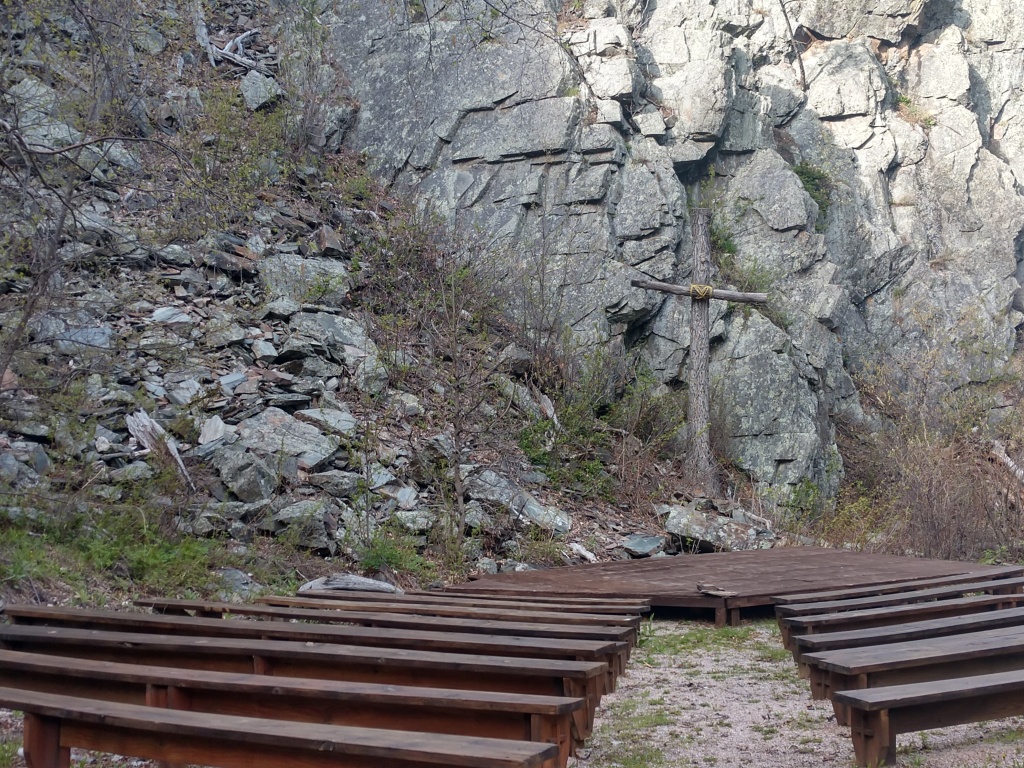
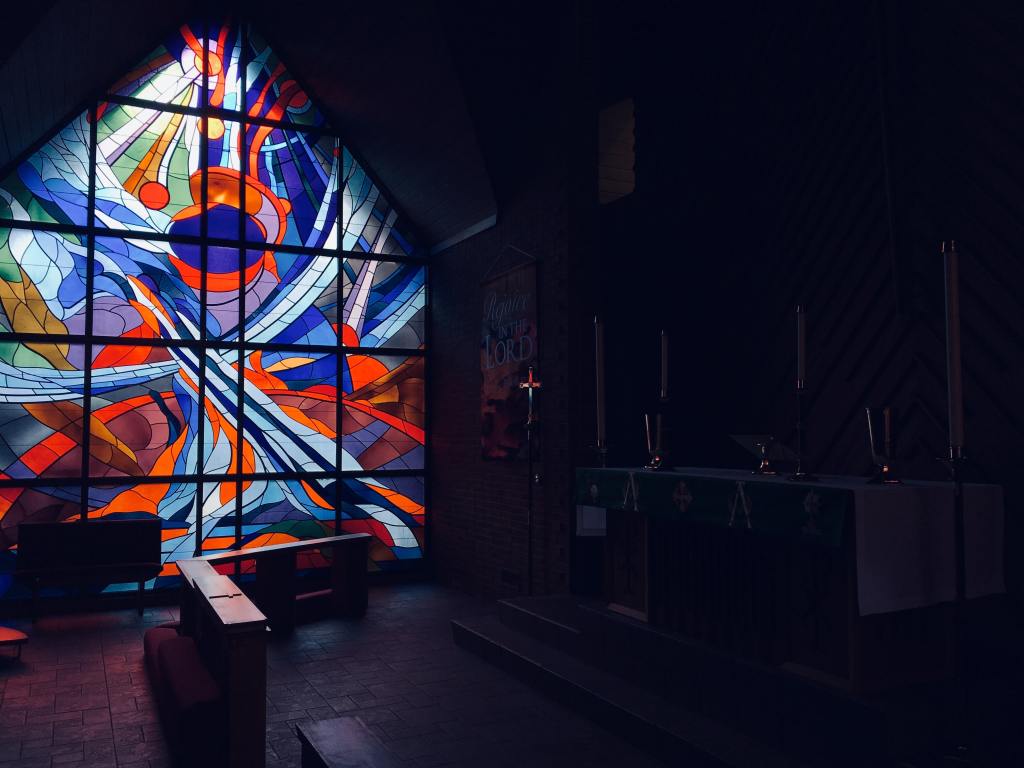
In your world today, where do you feel safe and secure? For many of us, our home is one place of refuge and rest. It is a place we feel protected, a place we can trust. For many, God’s presence is felt in the sacred spaces – sanctuaries, chapels, cathedrals. There we feel safe, secure, loved. Yet God is not limited to these structures either. So, in your world, where else do you sense God’s presence? For me, I sense God’s presence out in the wilderness, where his glory is often on full display. There I sense God’s greatness and am drawn into praise. Wherever we encounter God, may we join the psalmist in declaring, “This God is our God forever and ever”. Thanks be to God!

Prayer: Living God, you are present in so many ways. Your strength and care and protection surround me. In you I am loved. Be with me always, O Lord. Amen.


Leave a comment

Your Plenty

Reading: 2nd Corinthians 8: 7-15

Verse 14: “Your plenty will supply what they need, so that in turn their plenty will supply what you need”.

Photo credit: Dominik Lange

In chapter eight Paul begins by sharing about the example set by the churches in Macedonia. Even though they are in a time of trial they gave “as much as they were able”. And they gave with joy. With this example in mind, Paul turns to the commitment made by the Corinthian church. Paul first lifts up the ways that the church excels: faith, speech, knowledge, earnestness, love. Then he challenges them to also excel in giving. In verse ten Paul reminds them that they were the first to desire to give to support their fellow brothers and sisters in Christ. Paul’s challenge now is to “finish the work” – to make good on their original desire.

The idea of giving to a church or to an organization like the Red Cross or to a local mission or shelter is still common among many Christians. Yet our culture, as did the culture around the Corinthian church, teaches about rugged individualism and about striving for success. From an early age we are taught to achieve and to excel and to accumulate. So for some, Paul’s appeal towards “equality” among the churches runs counter to our cultural norms. The reality is that many see “ours” as “mine” and not “ours” as given by God to be stewarded by all of us.

Paul appeals to the church to “share the load”, to help a fellow church in its time of need. In verse fourteen he puts it this way: “Your plenty will supply what they need, so that in turn their plenty will supply what you need”. Give when you can and trust that others will care for you in your times of need. Paul’s appeal in this case is financial. One can also give of one’s time or talents or presence or service. In whatever ways we can, may we each care well for one another, being generous first with our love and then with whatever else we have to offer.

Prayer: Lord God, you are the giver of all good things. You have blessed me abundantly. Open my heart to the ways I can bless others. Amen.


Leave a comment

Faithful Love, Great Redemption

Reading: Psalm 130: 3-8

Verse 7: “Wait for the Lord! Because faithful love is with the Lord; because great redemption is with our God”.

Photo credit: Erik Van Dijk

As we began yesterday in Psalm 130, we looked at God’s response to our supplications. We do like God to respond quickly! Today the Psalm shifts by first pondering what it would be like if God “kept track of sins”. I know that heaven will be glorious and amazing and far beyond all of my imagination. But is it big enough to house that much record keeping? It is a short ponder. In verse four we are reminded, “forgiveness is with you”. God doesn’t keep track of our sins.

What then prevents us (and others) from taking our prayers for forgiveness to God? What causes us to hold onto our sin and the shame that often accompanies it? Sometimes, honestly, we are enjoying our sin and aren’t quite ready to give it up. It’s hard to sincerely ask for forgiveness when we’re planning to continue sinning and when we’re not repentant. Sometimes even when we are ready to die to self and to allow that sin to pass, still we are unable to bring it to God. We feel too unworthy or we feel God too holy to enter his presence. We think God cannot forgive the great sin we’ve committed. And then some of us have a hard time admitting when we’re wrong, so humility is also required.

Whatever is holding us back, whatever is keeping us from God’s salvation is within us. God never withholds or keeps his love from us. In those moments, may we remember these words and emotions of the psalmist: “My whole being hopes… waits for God’s promise”. Sometimes we need to remember that God’s love is unconditional, his promises are unending. These truths will draw us back towards right relationship with God. Remembering this we offer our repentance and receive pardon. This is ever true because “faithful love is with the Lord… great redemption is with our God”. Thanks be to God for his great grace and mercy.

Prayer: Lord God, I know you do not keep track of my sins and I am so thankful. The imperfect being that I am recognizes my need for your grace and love, for your mercy and forgiveness. Thank you for creating me to be in relationship with you and for ever drawing me back into that relationship. Your love is amazing! Amen.


Leave a comment

Attentive

Reading: Psalm 130: 1-2

Verse 2: “Let your ears be attentive to the voice of my supplications”.

Photo credit: Jon Tyson

The Psalm for today begins at a place of need, a place of hurting – “out of the depths”. This is a place that we’ve all prayer from. Whether death or illness or persecution or unwanted change or… we have felt alone and called out in desperation, “Lord, hear my voice”. And then we’ve longed for a response. At times it’s been immediate. God’s presence becomes tangible, the doorbell rings and God has sent someone heading our way, a song comes on the radio. At times we wait a bit. We do not feel abandoned yet we do not have an answer right then. So we keep on praying and then God answers one day – in a text or note or call, in a verse or devotional that we read, in something we hear at church. Most often in these moments we realize that God has been there all along. We just needed eyes to see or ears to hear.

Some of the time, though, it seems to become an extended period feeling alone, isolated, without love or support. We pray along the lines of the psalmist, crying out, “Let your ears be attentive to the voice of my supplications”. Long enough, O God! Hear the words of my prayer, the need of my heart! We think, if you’ll but hear you’ll listen, you’ll respond God, you’ll be attentive to what I want or think I need. In these moments it is hard to trust, to wait on God. Just as God is faithful, so too must we be faithful. We must be diligent in our prayers, faithful in our daily walk with the Lord, attentive to our place within the relationship. In his time, God will respond, he will attend to our prayers. The Lord will not pass us by. Thanks be to God.

Prayer: Lord God, in my moments of desperation first lift up me trust in you. Remind me of your faithfulness that has come again and again so that I too may be faithful. I trust in you alone. Amen.


Leave a comment

Our Refuge and Stronghold

Reading: Psalm 9: 9-20

Verse 9: “The Lord is a refuge for the oppressed, a stronghold in times of trouble”.

In today’s Psalm there is a deep sense of trust in God’s power and might. The Psalm begins with David praising God “with all my heart”, rejoicing in the downfall of the enemy, celebrating God’s righteousness and justice. As we begin today in verse nine David writes, “The Lord is a refuge for the oppressed, a stronghold in times of trouble”. A refuge is a place of protection, a place of safety. It is a place where one finds peace and respite. One feels secure in a stronghold. One is able to regroup, to catch one’s breath, to ready oneself to reengage.

The danger of a literal refuge or stronghold is that we can want to simply stay there, to remain disconnected or distanced from the oppression or trouble. In the New Testament Jesus told us that we would face trial and abuse and oppression and hatred. A solid walk of faith comes with a cost, a price to pay at times. Amidst the persecution that David is facing he cries out to God, asking, “Have mercy and lift me up”. He turns to God, trusting in God’s power, leaning into his presence, declaring “the Lord is known by his justice”. When we are faithful, when we are walking out our faith in alignment with God’s will and ways, then we too can lean into God in times of oppression and trouble, trusting in our refuge and stronghold to lead us through. Thanks be to God.

Prayer: Lord, you are ever present, always hearing the prayers of those who trust in you. In those times of trial or trouble, remind me again and again that you are ever my strength and my shield. Your love always surrounds me. Thank you and amen!


Leave a comment

Humbly Turn

Reading: Psalm 20

Verses 1 and 2: “May the Lord answer you when you are in distress… protect you… send you help… grant you support”.

Returning to Psalm 20 today, we focus in on our need for God’s presence in our lives. To enter into the presence of God one must begin with a posture of humility. To recognize and admit our limitations and our inability to do all things opens space in our hearts to turn to the God who can do anything. This is what allowed David to enter the sanctuary to pray and to offer sacrifices. The focus of these actions was to align his heart with God’s heart, to check his own motives, to seek divine guidance. As decisions arise and as challenges come our way, a time of sincere prayer and soulful introspection engage God in the process.

The Psalm begins with a blessing prayer for our times of distress. It prays that the Lord will answer, protect, help, and support us in those times of hardship. David trusts that God will be there for him. His prayer reflects that same truth concerning all faithful people’s relationship with God. To trust requires belief, of course, but it also requires a willingness to submit to God’s will and ways. It places self behind the divine. Although to some surrender indicates weakness, to those who call upon the Lord, it provides access to the source of our true strength. God is the ultimate ally. In all things may we humbly turn to the Lord our God, trusting into his power and strength.

Prayer: Lord God, when I am weak, you are strong. When I am humble, you are glorified. When I am less, you become more. In all things, in all ways, make me obedient to you. Amen.


Leave a comment

Go, Trust, Hear

Reading: Psalm 138

Verse 3: “When I called, you answered me”.

Photo credit: Alex Woods

David begins Psalm 138 with a declaration of praise. He will praise God with all of his heart and will sing of God before the “gods”. Even in David’s day there were many gods – the false gods of the pagan people all around Israel as well as the gods of this world that the Israelites chased: power, wealth, recognition. To declare one’s allegiance to God in the face of all these other gods is an important statement to make. David goes on to identify God’s love and faithfulness as the focus of his praise. These characteristics of God drive his relationship with God and will drive ours as well.

In verse three David gives us an example of how he experiences these two characteristics. Here he writes, “When I called, you answered me”. When David turned to God in prayer, God was there, God responded. This too is driven by love and faithfulness – both in David’s prayer and in God’s connection with David. We too can experience this intimacy with God. We too can turn to God and enter into his presence. We too can receive answers from God.

In the remainder of verse three we see the result of this intimate connection with God: “you made me bold and stouthearted”. David’s faith grew, deepened, was strengthened. As David did, may we also go to God in prayer, trusting in God’s love and faithfulness, waiting upon his presence. May we have ears to listen and hearts to perceive God’s response.

Prayer: Loving and faithful God, I praise you this day! You are ever attentive, always present. Continue to strengthen and deepen my relationship with you and my walk of faith. Give me patience to trust into your love, to lean into your presence. Amen.


Leave a comment

Multiplied

Reading: John 15:26 – 16:11

Verse 26: “When the Counselor comes, whom I will send… he will testify about me”.

Photo credit: Joshua Eckstein

In our passages for today and tomorrow, Jesus promises a continuing presence that will be with the disciples. In this section of John’s gospel, known as the ‘Farewell Discourse’, Jesus is preparing his followers for life without his physical presence. In the three years of his ministry they have grown close to Jesus – moving from strangers to disciples and on to friends.

In verse 26 Jesus begins to explain the transition from physical presence to spiritual presence. Here he says, “When the Counselor comes, whom I will send… he will testify about me”. The Holy Spirit will come and it will testify in their hearts about Jesus. The voice of the Spirit will teach and guide the disciples, yes, for their own benefit but moreso that they will testify to others. Since the disciples have been with Jesus since the beginning of his ministry they have witnessed the miracles and they have heard his teachings. This, plus the constant presence of the Holy Spirit, will equip and empower them to share the good news of Jesus Christ.

Jesus goes a step further in verse seven. Here he says, “It is for your good that I am going away”. In the moment it must have been hard to hear these words. But soon – just a few days after he will ascend into heaven – this promised Holy Spirit will fall upon the believers at Pentecost. In a powerful demonstration of how it is better, the believers speak the good news to a large crowd, all in their native languages. It would have taken Jesus hours and hours to do this work. His power, multiplied by the indwelling presence of the Holy Spirit, is magnified greatly. This will continue to be the pattern as the disciples, apostles, and other believers take the gospel to the ends of the known world. In and through the power of the Holy Spirit, the transformation of the world begins. In and through the power of the Holy Spirit, may we continue to tell the good news of Jesus Christ, multiplying his power and presence in the world!

Prayer: Lord God, use me today to be light and love wherever and whenever I can. Through the power of the Holy Spirit within me, may I bring transformation to the world. Amen.